Understanding the 1031 Exchange Identification Rules
The three key 1031 identification rules are the three-property rule, 200% rule, and 95% rule. To successfully carry out an exchange, you must use any of these three rules to find your replacement property within 45 days and complete the entire exchange within 180 days.
Unfortunately, the IRS does not grant extensions to these timelines, except in federally declared disasters. As such, it’s important to work with an experienced Qualified Intermediary to comply with these rules and identify potential pitfalls that can jeopardize the 1031 exchange process.
At Universal Pacific 1031 Exchange, we can help you understand and comply with the identification rules to be sure you maximize the tax benefits of your property exchange. With 35+ years of experience handling successful exchanges, you can trust our client-focused team for experienced guidance throughout the process. Schedule a free consultation with us now to get started.
In this article, you’ll learn about the 1031 exchange identification rules, factors to consider when identifying replacement properties, common investment property identification mistakes, and how to avoid them.
Table Of Contents
- The Key Identification Rules in 1031 Exchange
- Factors to Consider When Identifying Potential Replacement Properties
- Common Property Identification Mistakes and How to Avoid Them
- Conclusion
What Are the 1031 Exchange Identification Rules?

A 1031 exchange follows a set of rules and regulations that many real estate investors find very complex, especially when it comes to the strict identification and completion timelines set by the IRS. Missing these deadlines can cause your exchange to fail and turn your transaction into a taxable sale. These basic rules include:
The 45-Day Identification Period
The 45-day identification rule stipulates that the taxpayer has 45 days after the sale of the relinquished property to identify a replacement property. In situations where the taxpayer relinquishes more than one property at different times, the 45-day timeframe starts from the day of the closing of the first relinquished property. This identification must be made in writing, signed and dated by the taxpayer, and delivered to the Qualified Intermediary or other parties involved in the exchange within this timeframe.
Note that you cannot make your identification to a disqualified person, as this rule is designed to prevent any manipulation of the exchange process for the taxpayer’s benefit. A disqualified person refers to an individual or entity that has a close relationship with the taxpayer. They include the taxpayer’s family member, employee, attorney, or accountant.
The identification document must contain a detailed description of the identified property to avoid ambiguity, enable easy and clear identification, and ensure compliance with the IRS rules. Failure to meet the 45-day identification period can disqualify the exchange, resulting in the taxpayer incurring capital gain tax.
The 180-Day Timeline
The 180-day closing period requires the taxpayer to acquire the identified replacement properties within 180 days following the sale of the relinquished property. It’s important to note that the 180-day period runs concurrently with the 45-day identification period, which means you have 135 days after you identify the replacement property to finalize the exchange. Additionally, the 180-day period includes only calendar days, not business days.
To ensure compliance with the IRS guidelines, you must acquire the ownership and finalize all relevant paperwork within the 180-day purchase timeline. Note that you may need to file an extension to your tax returns if the 180-day period aligns with the tax filing deadline. This will help you gather the necessary paperwork and complete the exchange.
The Three-Property Rule
The three-property rule allows the taxpayer to identify up to three replacement properties irrespective of their fair market values. It’s optional to acquire the three properties, but the taxpayer must acquire at least one of the properties within the 180-day purchase period.
The 200% Rule
Under the 200% rule, you can identify and close on more than three properties as long as their aggregate fair market value does not exceed 200% of the fair market value of the relinquished property. Unlike the three-property rule, the 200% rule does not limit the number of properties identified. However, it places a limit on the total market value to prevent the taxpayer from overreaching in their identification.
The 95% Rule
Under this rule, there is no limit on the fair market value or the number of replacement properties you can identify. However, you must acquire at least 95% of the aggregate fair market value of the identified properties.
For instance, if the fair market value of the relinquished properties is $5 million, and you identified up to four properties with an aggregate fair market value exceeding $10 million, your identification is only valid if the value of the properties you acquired is worth at least $9.5 million. Practically, this rule can be challenging since it compels the taxpayer to acquire all the identified properties.
Factors to Consider When Identifying Potential Replacement Properties

Although the 1031 exchange structure allows you flexibility when selecting potential replacement properties, those properties are still subject to certain restrictions placed by the IRS, as well as other factors. Below is the vast majority of those restrictions.
1. Property Type
The relinquished properties and the replacement properties must be like-kind, meaning they must be of the same nature, character, or class. Properties that are held for investment or business purposes qualify as like-kind.
This means you can exchange your apartment building for a shopping center, a commercial building for raw land, or a hotel building for a condominium. Personal properties, such as residential or vacation homes, are not regarded as like-kind and therefore do not qualify for a 1031 exchange. Hence, it is important to review your replacements to ensure they qualify.
2. Location
Properties located in areas with high economic growth, low crime rates, and access to basic amenities tend to appreciate over time. Conversely, properties in areas with high crime rates, prone to natural disasters, and low desirability may experience depreciation.
Consider demographic factors and the economy of the location before you acquire replacement property. This will help you assess the risks and the cash flow potential of the investment. Also, you should consider the proximity of the real property to your residential location, especially if you intend to manage it yourself.
3. Financial Considerations
Evaluate the purchase price, potential ROI, operating costs, and access to loans or other financing methods that will help you acquire and manage the property. Consider the interest rates and the loan terms and conditions to help you determine the feasibility of acquiring the property.
You should also consider the overall market condition and the appreciation potential of the property, which is crucial for long-term investment success. To do this, research market trends, population growth rates, infrastructure projects, and local job and business growth.
4. Your Investment Goal and Risk Tolerance
Your potential replacement properties must align with your investment goals and risk tolerance. Ask yourself, “Are you looking for long-term appreciation, a regular income flow, or both?” This will help you determine the type of replacement property to acquire.
For example, if your investment goal is to generate a steady income, you may focus on acquiring rental properties in a location with a high population and economic development.
If you have a low risk tolerance, you may invest in residential rentals in an established area with stable appreciation and demand. If you have a high risk tolerance, you may explore the emerging real estate market or acquire properties in developing areas.
Common Property Identification Mistakes and How to Avoid Them
Many investors usually fall into errors when conducting a 1031 exchange. Below, we’ve pointed out some common property identification mistakes and how to avoid them.
Failure to Adhere to IRS Timeline
Sometimes, the 45-day timeline may not be enough to find a replacement property that suits your budget and investment goals. This could result in defaulting on the IRS identification timeline. Also, emergencies and unexpected changes in financial status may affect the taxpayer’s ability to close on the replacement property within the 180-day purchase period.
To avoid this, start looking for a potential replacement property well in advance. Also, make plans for contingencies related to financing, property inspection problems, and seller delays. It’s recommended that you work with an experienced, Qualified Intermediary to help you navigate the process with ease.
Not Meeting Identification Requirements
As previously stated, your identification must be made in writing, duly signed, dated, and delivered to the Qualified Intermediary and any other relevant entity involved in the process. You may not be able to successfully defer capital gains taxes if you fail to adhere to these guidelines. You should study the IRS guidelines that govern the 1031 exchange to help you identify potential pitfalls and avoid them.
Not Consulting with a Tax Advisor
A tax advisor is experienced in tax laws and can help you navigate the process, ensuring you meet all the requirements that qualify you for tax deferral.
Find a reputable tax advisor near you and be sure to check their credentials, such as Certified Public Accountant (CPA) and Accredited Tax Advisor (ATA). You may also seek recommendations from friends, family, or colleagues who have had a positive experience with a tax advisor.
Not Using Like-Kind Properties
Use of personal properties like primary residence and properties held primarily for flipping purposes (inventories) goes against IRS guidelines, as they’re not regarded as like-kind properties. To avoid this mistake, meet with a tax professional to ensure the identified properties comply with IRS guidelines.
How Can You Increase Your Chances of a Successful Exchange?
One major way to increase your chances of a successful 1031 exchange is to work with a Qualified Intermediary who has a track record of executing successful exchanges. A Qualified Intermediary plays a crucial role in holding exchange funds, preparing the necessary documentation, and ensuring every part of the exchange process stays compliant.
Another key step to a successful exchange is having a knowledgeable real estate agent, tax advisor, broker, and closing team that can help you navigate unexpected challenges and avoid costly errors. Early preparation can also help you prevent delays, reduce stress, and ensure you have eligible properties ready for identification to stay ahead of the deadline.
Want to Preserve Your Tax-Deferral Benefit?
Understanding and complying with the 1031 exchange identification rules will help you ensure a successful 1031 exchange. On the other hand, failure to follow these rules can result in automatic disqualification from the tax deferral benefits.
If you’re looking for a reputable Qualified intermediary, then look no further. Universal Pacific 1031 Exchange is here to help you achieve a smooth and successful 1031 exchange. Book a free consultation call with us now.
FAQ
Here are common questions people are frequently asking about the IRS identification requirements, along with their respective answers.
How Long Do You Have to Identify a Property for a 1031 Exchange?
After selling your relinquished property, the IRS gives you 45 days to identify suitable replacement properties and to submit the list to your Qualified Intermediary (QI) in writing.
What Documentation Is Required for A 1031 Exchange?
To complete a tax-deferred exchange, you generally need:
- The Purchase and Sale Agreement for both the relinquished and replacement properties
- The 1031 Exchange Agreement with your Qualified Intermediary (QI)
- Assignment documents (assigning contracts to the QI)
- Closing statements (HUD-1 or ALTA settlement statements)
- Identification notice for the replacement property
- Proof of funds and wiring instructions
- Any lender documents if financing is involved
What Disqualifies a Property From Being Used in a 1031 Exchange?
Under the Internal Revenue Code, a property is disqualified from a 1031 exchange if it is primarily used for personal purposes, such as your primary residence or a vacation home. Additionally, properties held for resale, such as flips or development projects, are also ineligible. You cannot exchange partnership or LLC membership interests, REIT shares, or properties located outside the United States. In general, if the property is not held for investment or business use, it will not qualify.
What Is the 2-Year 5-Year Rule?
The 2-year rule applies to related-party exchanges. It requires that both parties involved hold their newly acquired properties for at least two years after the exchange to establish investment intent. The 5-year rule applies when a property acquired through a 1031 exchange is later converted into a primary residence. In this circumstance, the IRS requires you to own the property for at least five years before you can use the primary residence capital gains exclusion.
What Happens if I Miss the 45-Day Identification Deadline?
If you miss the 45-day identification deadline, the IRS automatically disqualifies the exchange and treats it as a taxable sale. This means that you can no longer defer taxes, and the QI cannot release your funds until the 180-day exchange period ends or until it becomes clear that you will not acquire a replacement property. Unfortunately, the IRS does not extend its deadline except in cases of federally declared disasters.
Can I Identify More than Three Properties?
Yes, you can identify multiple properties as long as you adhere to the IRS identification rules, which are the 3-property, 200%, and 95% rules. Using the three-property rule, you can identify up to three properties regardless of their total value. The 200% rule allows you to identify any number of properties as long as their aggregate value does not exceed twice the value of the property that was sold. The 95% rule allows you to identify properties of any total value; however, you must purchase at least 95% of the value of the properties you listed.
What Forms Are Required to Complete a 1031 Exchange?
To report a 1031 exchange, you generally need Form 8824, which is filed with your tax return. This form ensures that the transaction is properly defined and compliant with IRS rules.
Can a Replacement Property Be Transferred into a Delaware Statutory Trust (DST)?
Yes. Certain properties can be transferred into a Delaware Statutory Trust, allowing multiple investors to participate while maintaining tax-deferred status. This structure provides security for investors and is commonly used in complex exchange strategies.
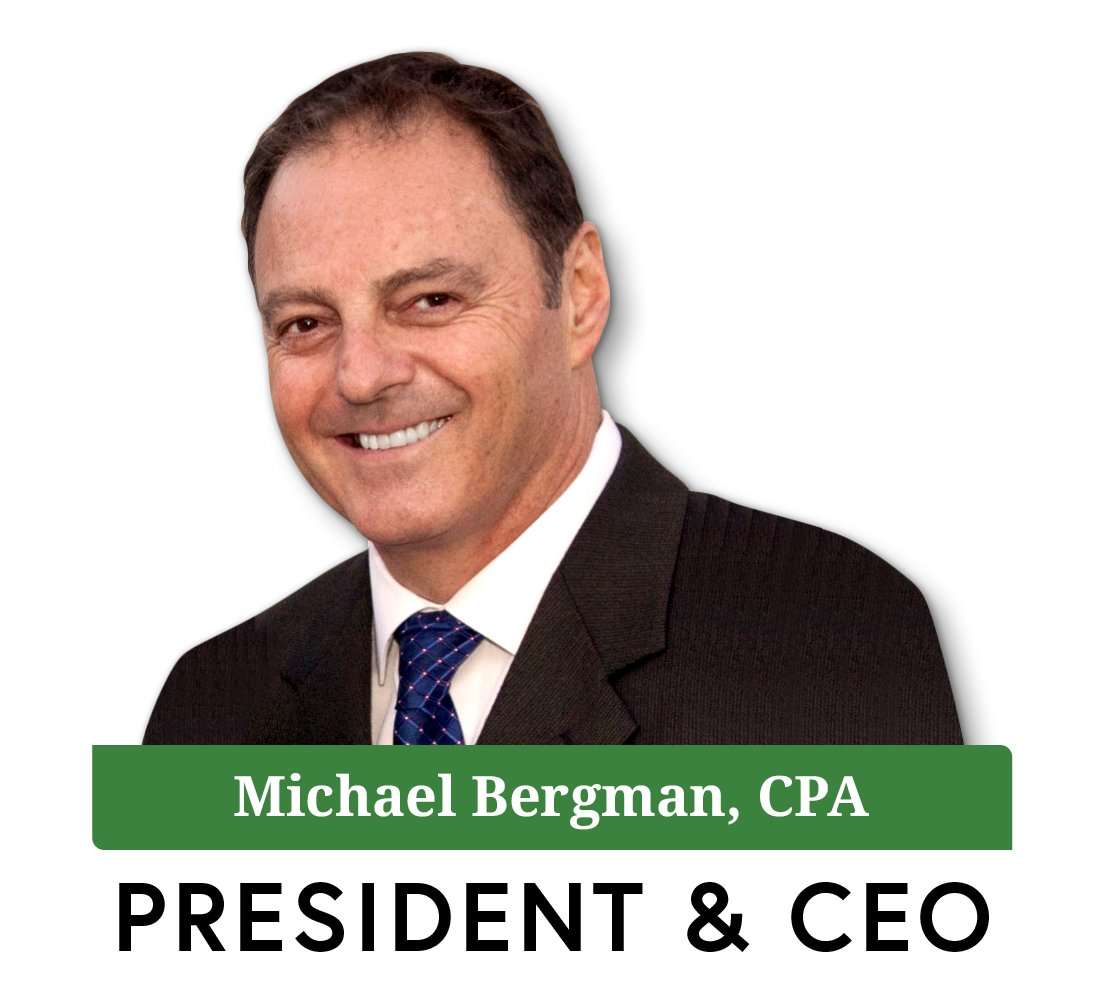
This page was reviewed by Michael Bergman, CPA, California CPA #56113. Verify license.
Disclaimer: This article is for informational purposes only and is not legal, tax, or financial advice. Tax laws change and every situation is different. Please consult a qualified attorney, CPA, or tax advisor before making decisions about your property, sale, or 1031 exchange.
Editorial Policy
All articles are reviewed for accuracy by licensed tax professionals and sourced from official government publications. Read our Editorial Policy →
About The Author
 Michael Bergman is a California licensed CPA and Real Estate Broker with over 35+ years of CPA-supervised 1031 exchange experience in commercial real estate. Specializing in 1031 tax-deferred exchanges and financial oversight, his expertise covers complex real estate transactions. Michael’s unique blend of financial acumen and real estate knowledge positions him as a trusted advisor in the industry, offering sound advice and strategic insights for successful property management and investment.