Qualified Intermediary for 1031 Exchanges in Austin
This page was reviewed by Michael Bergman, CPA, California CPA #56113. Verify license.
Universal Pacific delivers 1031 exchange services in Austin for real estate investors seeking tax-deferred property exchanges under IRC Section 1031. As a dedicated Qualified Intermediary, we manage exchange funds, documentation, and timelines with alignment with applicable IRS requirements. Our role is limited, precise, and compliant—protecting the integrity of each exchange while supporting long-term investment strategy across Austin and Texas.

Welcome to Universal Pacific 1031 Exchange! Our extensive expertise in Texas real estate and financial management converges to guide you through the intricate world of 1031 exchanges in Austin.
With a professional history managing transactions ranging in price from $100,000 to over $100M, our company combines genuine business acumen, real estate insight, and financial literacy.
What Is a Qualified Intermediary for 1031 Exchanges
A qualified intermediary (QI), also known as a 1031 exchange accommodator, is a neutral third party required by the IRS to facilitate a 1031 exchange. The QI holds exchange proceeds, prepares exchange agreements, and ensures the exchanger does not take constructive receipt of funds. For investors completing a 1031 exchange in Austin, Texas, the intermediary’s role is mandatory for tax deferral eligibility.
1031 Exchanges in Austin: Costs and Worth
Qualified intermediary fees vary based on exchange structure and complexity. While costs are transactional, the potential tax deferral often outweighs intermediary expenses, particularly for higher-value Austin investment properties. The value lies in compliance, risk control, and preservation of exchange eligibility.
Types of 1031 Exchanges

Delayed Exchange
The most common structure. The relinquished property is sold first, followed by the acquisition of replacement property within IRS timelines. This format is widely used for 1031 exchange services in Austin involving commercial and investment real estate.

Simultaneous Exchange
Both the sale and purchase close on the same day. These exchanges require precise coordination among all parties and strict transactional control.

Reverse Exchange
The replacement property is acquired before the relinquished property is sold. A Texas reverse 1031 exchange involves additional structuring and is often used in competitive Austin markets where timing is critical.

Improvement Exchange
Exchange proceeds are used to improve the replacement property. Improvements must be completed and titled correctly within the exchange period to qualify.
Why Universal Pacific for 1031 Exchanges
Universal Pacific focuses exclusively on qualified intermediary services. Our experience includes transactions ranging from modest investment properties to large commercial exchanges across Texas. Exchange funds are held in segregated trust accounts with defined internal controls. Each exchange is managed with documented processes aligned with IRS guidance.
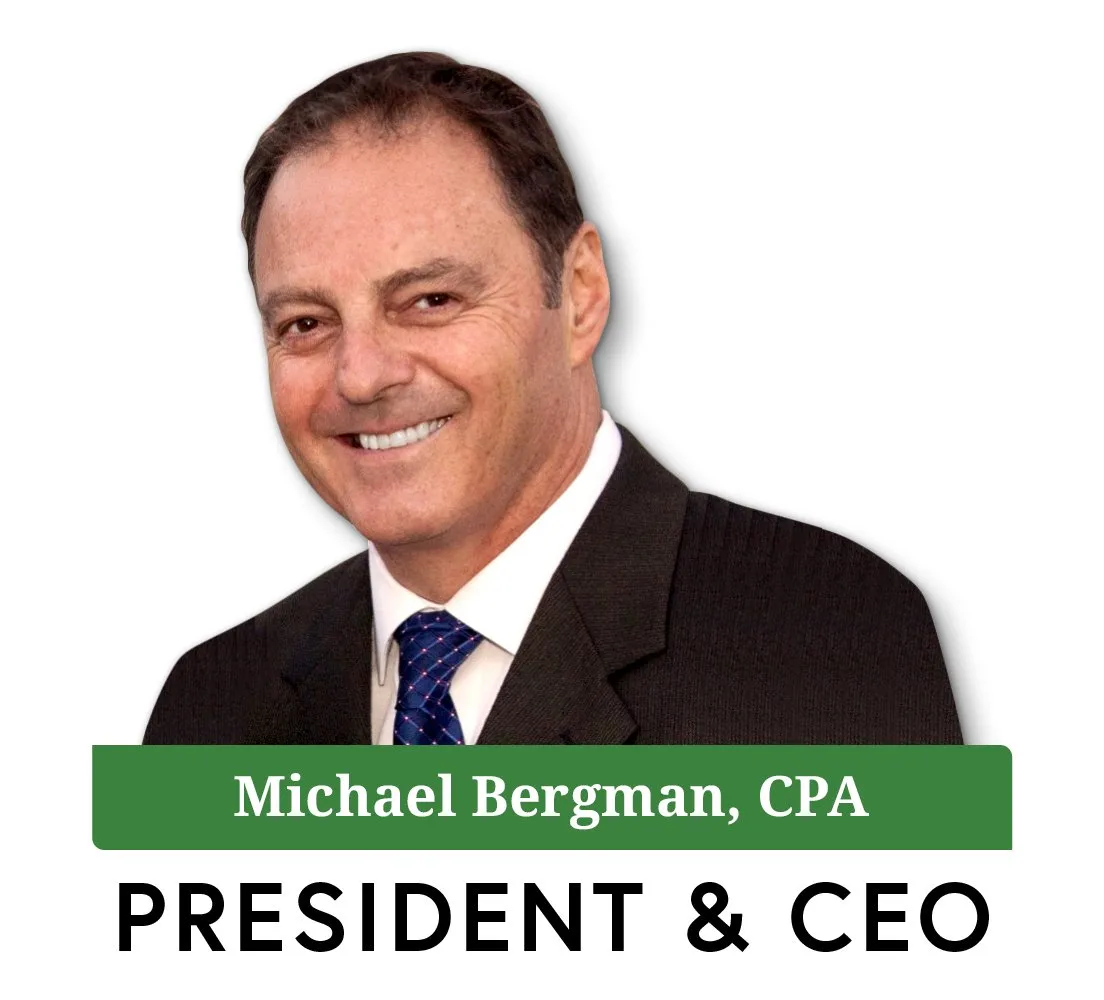
Michael Bergman, President and CEO, brings extensive experience in real estate transactions and exchange administration, supporting investors navigating 1031 exchange services in Austin and statewide.
How We Support 1031 Exchange Services in Austin
-
Drafting and administering exchange agreements
-
Secure handling of exchange proceeds
-
Coordination with escrow officers and closing agents
-
Monitoring 45-day identification and 180-day exchange deadlines
-
Structuring delayed, reverse, and improvement exchanges
-
Texas-focused compliance oversight
Our role remains neutral and transactional, as required by law.

Discover the benefits of a seamless 1031 exchange with our experienced team at Universal Pacific. Don’t let tax complications hinder your property investment decisions. Connect with us today for a complimentary, no-obligation 1031 exchange consultation. Let us help you navigate the complexities and unlock new opportunities. Secure your financial future – your journey to tax-efficient investing starts here.
Steps For Completing A 1031 Exchange in Austin

The exchanger signs a contract to sell a relinquished property to the buyer.

Universal Pacific 1031 Exchange and the exchanger enter into an exchange agreement to retain Universal Pacific 1031 Exchange as the Qualified Intermediary and the exchanger then assigns the exchanger’s rights in the sale contract to Universal Pacific 1031 Exchange.

At the closing of the relinquished property the exchange funds are wired to Universal Pacific 1031 Exchange who then instructs the settlement officer to transfer the deed directly from the exchanger to the buyer.

The exchanger has a maximum of 180 days in the exchange period (or until the tax filing deadline, including extensions, for the year of the sale of the relinquished property), to acquire all replacement property.

The exchanger must identify possible replacement properties in writing to Universal Pacific 1031 Exchange within the 45-day identification period.

The exchanger signs a contract to purchase the replacement property with the seller and the exchanger assigns the exchanger’s rights in the purchase contract to Universal Pacific 1031 Exchange.

At the closing of the replacement property, Universal Pacific 1031 Exchange wires the exchange funds to complete the exchange and Universal Pacific 1031 Exchange instructs the settlement officer to transfer the deed directly from the seller to the exchanger.

Congratulations!
Your 1031 exchange is complete!

Choosing a Qualified Intermediary for 1031 Exchange Transactions
At Universal Pacific 1031 Exchange, our unique blend of extensive real estate, financial, and tax expertise sets us apart in the field of 1031 exchanges. With our commitment to personalized service, meticulous attention to detail, and decades of experience managing complex transactions, we ensure our clients a seamless, reliable, and maximally beneficial exchange process.