Qualified Intermediary for 1031 Exchanges in Columbus
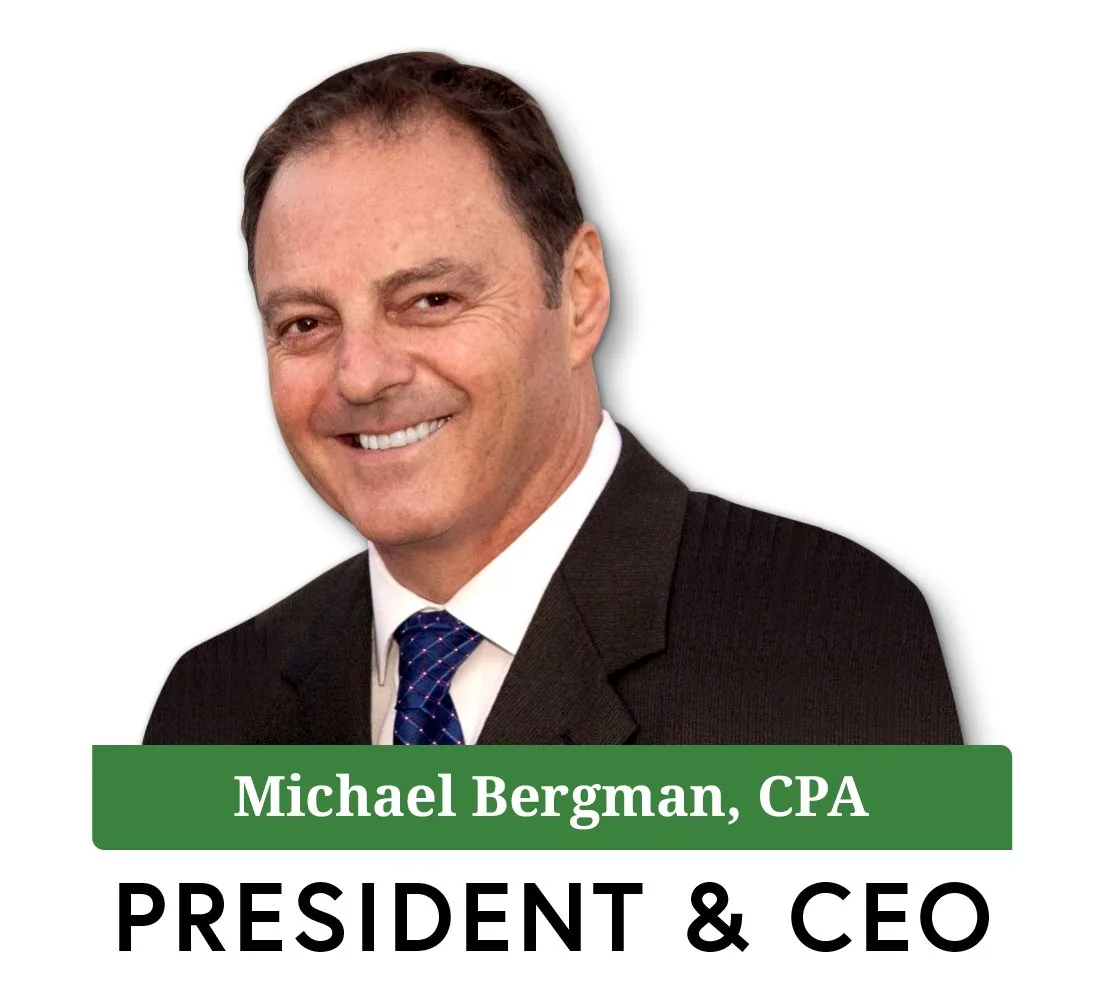
This page was reviewed by Michael Bergman, CPA, California CPA #56113. Verify license.
Property owners in Columbus rely on properly structured 1031 exchanges to defer capital gains taxes and preserve investment value. A qualified intermediary manages the exchange process, safeguards funds, and coordinates documentation so real estate transactions remain compliant with federal tax regulations. This page focuses on exchange services used by investors selling and reinvesting in Ohio investment property.

Welcome to Universal Pacific 1031 Exchange! Our extensive expertise in Ohio real estate and financial management converges to guide you through the intricate world of 1031 exchanges in Columbus.
With a professional history managing transactions ranging in price from $100,000 to over $100M, our company combines genuine business acumen, real estate insight, and financial literacy.
What a Qualified Intermediary Does
A 1031 Exchange Company is a required third party in any 1031 exchange. The intermediary prepares exchange documents, holds sale proceeds, and oversees deadlines tied to identification and closing. In Columbus, these services are commonly used for commercial real estate, residential rental property, and other income-producing assets. The intermediary’s role is administrative and procedural, working alongside attorneys and CPAs when needed.
1031 Exchanges in Columbus
A 1031 exchange allows an investor to sell property and reinvest into like kind property without immediately recognizing capital gains. These exchanges are widely used across Columbus OH for apartment buildings, shopping centers, and other long-term investments. Proper structure is required to ensure compliance and avoid unintended tax exposure.

Delayed Exchange
The most common structure. Property is sold first, funds are held by the qualified intermediary, and replacement property must be identified and acquired within IRS timelines.

Simultaneous Exchange
Sale and purchase occur at the same closing. Timing and logistics must align precisely for compliance.

Reverse Exchange
Used when a replacement property is acquired before the sale of the relinquished property. This structure requires additional coordination and documentation.

Improvement Exchange
Allows exchange proceeds to be used toward improvements on a newly acquired property, provided value and timing requirements are met.
Why an Intermediary Is Necessary in Columbus
Errors in timing, documentation, or fund handling can invalidate a 1031 exchange. A qualified intermediary manages deadlines, exchange funds, and transaction flow to reduce procedural risk. This oversight supports asset preservation and allows investors to focus on property value, location, and long-term investment goals.
Why Choose Universal Pacific
We help columbus investors using 1031 exchange services in by coordinating compliant exchanges across a range of property types. Our work emphasizes regulatory diligence, documented processes, and coordination with closing agents and tax professionals. Exchanges we support include residential rentals, commercial assets, and permitted alternative investments.
How We Assist With Exchange Administration
-
Preparation and execution of exchange documents
-
Secure handling of exchange funds
-
Coordination with settlement officers during sale and closing
-
Guidance on identifying replacement property
-
Oversight of single-asset and multi-property transactions
Services are structured to support compliance, transparency, and transaction accuracy.

Discover the benefits of a seamless 1031 exchange with our experienced team at Universal Pacific. Don’t let tax complications hinder your property investment decisions. Connect with us today for a complimentary, no-obligation 1031 exchange consultation. Let us help you navigate the complexities and unlock new opportunities. Secure your financial future – your journey to tax-efficient investing starts here.
Steps For Completing A 1031 Exchange in Columbus

The exchanger signs a contract to sell a relinquished property to the buyer.

Universal Pacific 1031 Exchange and the exchanger enter into an exchange agreement to retain Universal Pacific 1031 Exchange as the Qualified Intermediary and the exchanger then assigns the exchanger’s rights in the sale contract to Universal Pacific 1031 Exchange.

At the closing of the relinquished property the exchange funds are wired to Universal Pacific 1031 Exchange who then instructs the settlement officer to transfer the deed directly from the exchanger to the buyer.

The exchanger has a maximum of 180 days in the exchange period (or until the tax filing deadline, including extensions, for the year of the sale of the relinquished property), to acquire all replacement property.

The exchanger must identify possible replacement properties in writing to Universal Pacific 1031 Exchange within the 45-day identification period.

The exchanger signs a contract to purchase the replacement property with the seller and the exchanger assigns the exchanger’s rights in the purchase contract to Universal Pacific 1031 Exchange.

At the closing of the replacement property, Universal Pacific 1031 Exchange wires the exchange funds to complete the exchange and Universal Pacific 1031 Exchange instructs the settlement officer to transfer the deed directly from the seller to the exchanger.

Congratulations!
Your 1031 exchange is complete!

Choosing a Qualified Intermediary for 1031 Exchange Transactions
At Universal Pacific 1031 Exchange, our unique blend of extensive real estate, financial, and tax expertise sets us apart in the field of 1031 exchanges. With our commitment to personalized service, meticulous attention to detail, and decades of experience managing complex transactions, we ensure our clients a seamless, reliable, and maximally beneficial exchange process.
Investors seeking qualified intermediary services in Columbus can contact our office to begin planning their exchange. Timelines apply before the sale of property, and early engagement supports proper execution.