

Qualified Intermediary for 1031 Exchanges in Memphis
Searching for an experienced qualified 1031 exchange intermediary in Memphis? Universal Pacific 1031 Exchange can help when you're selling a rented house or other investment property in Tennessee and buying the next one with the proceeds.
Memphis is a city of renters, and many of them live in detached houses. If the property you're selling, or the one you plan to buy, is a rented house with a tenant in place, this page also covers the tenant access, lease and Memphis Housing Authority paperwork that has to line up with your exchange closing.
Reviewed by Michael Bergman, CPA
Last updated 12 November 2026 · Sources for this page

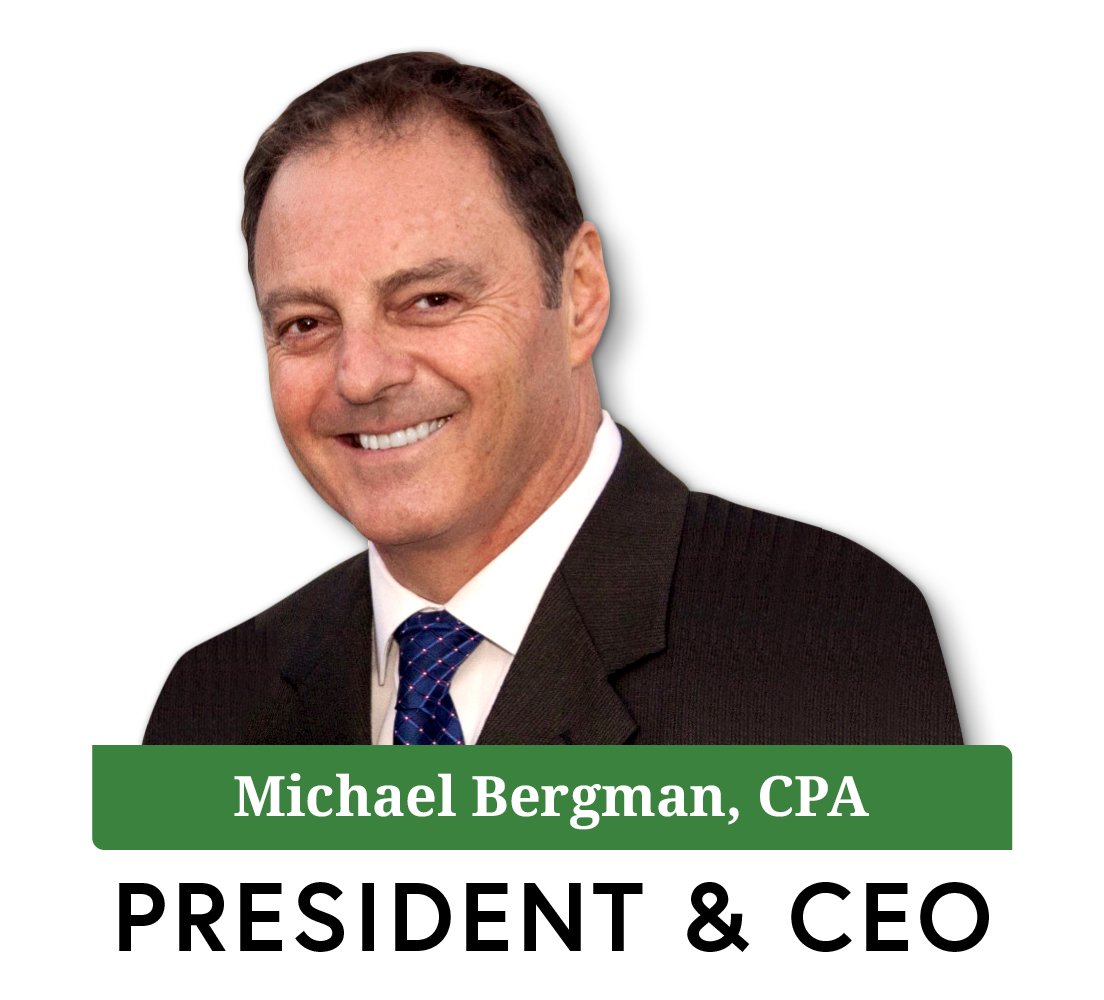
With a professional history managing transactions ranging in price from $100,000 to over $100M, our company combines genuine business acumen, real estate insight, and financial literacy.
Memphis Rental Exchanges at a Glance
| Figure | What it means for your exchange | Source |
|---|---|---|
| 54,261 renter-occupied detached houses, 38.89% of the city's renter-occupied homes (Shelby County: 40.26%) | Selling or buying a house with a tenant in it is an ordinary Memphis deal, so the tenancy has to be planned into the closing. | Census ACS 2020-2024, B25032 |
| $0.37 per $100 | Tennessee realty transfer tax on the recorded deed, owed by the grantee. On your replacement purchase, that's you. | Tennessee Department of Revenue |
| $0.115 per $100 of debt, first $2,000 excluded | Indebtedness tax on the deed of trust for a replacement loan. | Tennessee Department of Revenue |
| 0.25% of net worth; 6.5% of net earnings | Tennessee franchise and excise taxes on an LLC or other limited-liability owner. Deferring federal gain doesn't make the entity exempt. | Tennessee Department of Revenue |
| $100 | Minimum franchise tax for a registered entity, even one that is inactive. | Tennessee Department of Revenue |
| 3rd business day of the month | When MHA typically issues housing assistance payments. A voucher tenancy that changes owners mid-cycle can leave a short month. | Memphis Housing Authority |
On this page: 1. Exchange services · 2. Why choose us · 3. Exchange steps · 4. Tennessee taxes and recording · 5. Housing data · 6. Handing over a rented house · 7. Voucher tenancies · 8. Where exchanges stall · 9. Finding replacement property, including in Mississippi · 10. Questions · 11. Choosing a qualified intermediary
1031 Exchange Intermediary Services in Memphis for Rental-House Owners
Whether you’re considering a Delayed, Simultaneous, Reverse, or Improvement Exchange, we offer dedicated support tailored to your unique investment needs. Our 1031 exchange process puts two things first on every Memphis file: the safety of the money while we hold it, and each IRS rule that decides whether your gain stays deferred. Questions about your tax result or your contracts go to your own CPA and attorney.
Our 1031 Exchange Intermediary Services Include:

Delayed Exchange: Sell the Memphis Property First
A Delayed Exchange is the most common form of a 1031 exchange, providing you with the opportunity to sell an existing property in Memphis and then subsequently purchase a replacement property within the exchange period, which ends 180 days after the sale or on your tax return due date, if that comes first. We help navigate the complexities of this process, with secure handling of your funds and close attention to IRS timelines and regulations.

Simultaneous Exchange: Both Deeds on One Day
A Simultaneous Exchange involves the concurrent transfer of your relinquished property and receipt of your replacement property, usually on the same day. We manage the logistics of these time-sensitive transactions so that both closings follow IRS guidelines.

Reverse Exchange: Buy Before You Sell
A Reverse Exchange offers you the time and flexibility to acquire a replacement property before selling your relinquished property, addressing unique timing challenges that can occur in real estate transactions. For that stretch, an accommodation titleholder is the owner of record of one house. Rev. Proc. 2000-37 gives you 45 days to name the house you'll sell and, in general, 180 days to finish.

Improvement Exchange: Renovate With Exchange Funds
An Improvement Exchange lets you use your 1031 funds to improve a replacement property while it is held for you. Construction counts only if it's done by the day you take the deed (26 CFR 1.1031(k)-1(e)).
Why Choose Us for a Memphis Exchange?
Transparent and Reliable
We give plain answers and keep our promises as your 1031 Exchange Accommodator. You hear from us at each deadline, and each step is set up to meet the IRS regulations. We have in place internal controls to protect your funds against potential fraud or theft.
Tailor-Made Solutions
No two clients or transactions are alike. Recognizing this, we offer customized solutions to align with your unique needs and objectives. A rented Shelby County house with a lender payoff and a voucher tenant needs a different checklist from a vacant lot bought with cash, and we build it accordingly.
Secure and Insured
We keep your funds in an Exchange Trust. Furthermore, our operations are underpinned by a comprehensive Errors & Omissions (E&O) insurance policy.
A Commitment to Satisfaction
Your satisfaction is our benchmark for success. Holding a client's sale proceeds is the core of the job, and we treat it that way on every transaction.
Our part is keeping the exchange in order while you run your rentals. Reach out today and discover the benefits of partnering with us.

Discover the benefits of a well-planned 1031 exchange with our experienced team at Universal Pacific. Don’t let tax complications hinder your property investment decisions. Connect with us today for a complimentary, no-obligation 1031 exchange consultation. Let us help you navigate the complexities. If either house is rented, tell us whether the tenant is on a private lease or a Memphis Housing Authority voucher, and have the lease and deposit amount on hand. We don't need the tenant's personal details.
Start an ExchangeCompleting Your Memphis 1031 Exchange, Step by Step

The exchanger signs a contract to sell a relinquished property to the buyer.
Universal Pacific 1031 Exchange and the exchanger enter into an exchange agreement to retain Universal Pacific 1031 Exchange as the Qualified Intermediary and the exchanger then assigns the exchanger’s rights in the sale contract to Universal Pacific 1031 Exchange.
At the closing of the relinquished property the exchange funds are wired to Universal Pacific 1031 Exchange who then instructs the settlement officer to transfer the deed directly from the exchanger to the buyer.
The exchanger has a maximum of 180 days in the exchange period (or until the tax filing deadline, including extensions, for the year of the sale of the relinquished property, if that date comes first), to acquire all replacement property.

The exchanger must identify possible replacement properties in writing to Universal Pacific 1031 Exchange within the 45-day identification period, in a signed document that describes each property by street address or legal description.

The exchanger signs a contract to purchase the replacement property with the seller and the exchanger assigns the exchanger’s rights in the purchase contract to Universal Pacific 1031 Exchange.

At the closing of the replacement property, Universal Pacific 1031 Exchange wires the exchange funds to complete the exchange and Universal Pacific 1031 Exchange instructs the settlement officer to transfer the deed directly from the seller to the exchanger.

Congratulations! Your 1031 exchange is complete!
Tennessee Taxes and Recording at a Memphis Closing
Section 1031 defers federal income tax on your gain. It doesn't switch off the Tennessee taxes tied to owning and recording real estate, and which of them matter depends on how you hold title.
What the Hall Tax Repeal Did, and What It Didn't
Tennessee's Hall income tax applied only to interest from bonds and notes and to dividends from stock, and it was repealed for tax periods beginning on or after January 1, 2021 (Tennessee Department of Revenue). So it never reached a gain on real estate, and its repeal didn't create a new exemption for one. For an owner who holds a Memphis rental in their own name, the Tennessee questions at closing are mostly about recording taxes, covered below. For an owner who holds it through a company, there's another layer.
Owning Through an LLC: Franchise and Excise Tax
Corporations, limited partnerships, limited liability companies and business trusts that are registered in Tennessee or doing business here must register for and pay franchise and excise taxes (Tennessee Department of Revenue). Franchise tax is measured by the entity's net worth from its books; excise tax by its net earnings for the year. Two points matter in an exchange year:
- Net worth doesn't drop because the gain was deferred. The LLC still owns real estate after the exchange, so franchise tax keeps applying to it, with the minimum shown in the table above.
- Excise tax starts from federal taxable income, with Tennessee adjustments. Your CPA should work out the entity's Tennessee excise figure for the sale year rather than assume it's zero.
The Department's rules on sole proprietors, general partnerships and single-member LLCs are in the questions below.
Who Pays the Transfer Tax When the Deed Is Recorded
Tennessee's realty transfer tax is based on the greater of the consideration paid or the property's value, and the law makes the grantee, the person receiving the deed, responsible for it. Shelby County's Register won't put the deed on record before collecting it (Tennessee Realty Transfer Tax Manual; current Recordation Tax Manual, June 2026). With direct deeding, the recorded deeds run straight from you to your buyer and from your seller to you, so your buyer is the grantee on the sale and you're the grantee on the purchase. Your purchase contract can allocate closing costs differently, so read it before you budget. The grantee also has to state under oath, on the face of the deed, the actual consideration or the value, whichever is greater. Nothing in the Department's guidance treats a 1031 exchange as exempt from the transfer tax; the deferral is an income-tax result only.
A Worked Example on a $500,000 Replacement House
Suppose your replacement is a $500,000 rented house in Memphis and you finance part of it with a $400,000 deed of trust.
- Realty transfer tax: $500,000 ÷ 100 × $0.37 = $1,850.
- Indebtedness tax: ($400,000 − $2,000) ÷ 100 × $0.115 = $457.70.
These are illustrations at the published rates, not a quote; special deeds and exemptions follow their own rules.
Two Property Tax Bills on the Closing Statement
Most Memphis parcels carry two property tax bills: the City of Memphis Treasury bills and collects city real estate tax, and the Shelby County Trustee bills county tax. Both are based on the Shelby County Assessor's appraisal, with residential property, including a rented house, assessed at 25% of appraised value and commercial property at 40% (City of Memphis Treasury; Tennessee Department of Revenue). The Assessor reappraises every four years, so a replacement bought shortly before a reappraisal can see its assessment change in the first years you own it (City of Memphis Treasury).
Where Memphis Deeds Are Recorded
Deeds and deeds of trust for Memphis property are recorded with the Shelby County Register of Deeds, whose main office is at 1075 Mullins Station Road, with a downtown office at 157 Poplar Avenue and an e-file option. The Register says it takes about one business day to record a deed and return it. Your closing attorney or settlement agent normally sends them in, and we don't mark a leg of the exchange finished until we have the recording details.
Handing Over a Rented Memphis House During an Exchange
When a tenant stays through the sale, the lease passes to the buyer along with the deed, and the tenant is still living in the house while buyers inspect it. The points below are the ones that bear on the exchange itself.
Start With the Lease You Actually Have
Before you list, pull the signed lease, any renewals or amendments, and a rent ledger. Your buyer will ask for them, and the closing agent needs them to prepare the statement. When you're the buyer of an occupied replacement house, ask the seller for the same documents early, because the lease you inherit sets the rent you can count on for the first months you own it.
Getting Buyers and Inspectors Into an Occupied House
Tennessee's Uniform Residential Landlord and Tenant Act applies in counties with more than 75,000 people in the 2010 census, which includes Shelby County (Tenn. Code 66-28-102). Under it, a tenant can't unreasonably withhold consent for the landlord to enter and show the house to prospective or actual purchasers, mortgagees, workers or contractors, and the landlord can't abuse that right or use it to harass the tenant (Tenn. Code 66-28-403). The statute doesn't set a notice period for showings to buyers, so read the lease for one and give the tenant reasonable notice. The 24-hour notice in the same section applies to showings to prospective tenants during the last 30 days of a lease, and only if the lease provides for that access. Agree on a showing schedule with the tenant before you list, because a buyer whose inspection keeps slipping is a buyer who may not close.
Identifying a Replacement House That Is Already Leased
When you're the buyer, the same access rules work against you: the seller's tenant controls how quickly you can see the inside of the house, and your list is due by day 45 whether or not you have. Under the regulations you can list as many as three houses, whatever their prices (26 CFR 1.1031(k)-1(c)). So it often makes sense to use the second or third slot for a backup house rather than leave it empty.
Rent That Arrives After Closing
Once your sale closes, the rent belongs to your buyer. Once you take title to the replacement, its rent is your income from that property, not exchange money, and it shouldn't be sent to us. Under the regulations you can't get at the exchange money until the exchange is over, except in a few listed situations (26 CFR 1.1031(k)-1(g)(6)). Keep rent in your operating account and leave the exchange account alone. Mixing the two makes the records harder to follow when your CPA prepares Form 8824.
If the Tenant Has a Memphis Housing Authority Voucher
Only some Memphis rentals are leased to Housing Choice Voucher participants, and the Census figures above can't tell you which. If the house you're selling or buying is one of them, the Memphis Housing Authority's procedures run alongside your exchange on their own schedule. This section covers MHA only. A tenancy administered by a different housing agency follows that agency's rules.
Confirm Who Administers the Voucher
Ask the current owner for the housing assistance payments (HAP) contract and recent payment history before you sign. MHA's Owner Portal shows payment history, unit details and the families housed in an owner's properties (MHA), so a seller who uses it can print what you need. If the paperwork names another agency, its process, not the one described here, applies.
Book the Ownership Change Around Your Closing Date
MHA tells a buyer of a property with an existing voucher tenant to schedule an appointment to process a change of ownership. Because the proof of ownership it asks for comes out of the closing itself, the appointment follows your replacement closing rather than preceding it. Put a reminder in the closing checklist so the new lease and the appointment aren't left until the first payment fails to arrive.
Plan for a Gap in Housing Assistance Payments
A change of owner can leave one or more months with only the tenant's share of the rent coming in (the reasons are in the questions below). Exchange funds pay for the property and ordinary closing items; they aren't a reserve for a missed payment. Set that cash aside separately.
Responsibilities During a Voucher-Tenancy Exchange
| Task | Who handles it |
|---|---|
| Disclose the voucher tenancy; provide the lease, HAP contract and payment history | Current owner (the seller) |
| Schedule MHA's change-of-ownership appointment and bring its documents | New owner, or the new owner's manager |
| Sign a new lease with the current participant | New owner and the participant |
| Approve the rent, run inspections, execute the HAP contract and pay assistance | MHA |
| Prepare the settlement statement and deeds; submit them for recording | Title company or closing attorney; Shelby County Register of Deeds |
| Contract with you as intermediary; custody of the sale proceeds until the purchase | Universal Pacific 1031 Exchange |
| Advise on the tax result and prepare Form 8824 | Your CPA or tax adviser |
What MHA's Process Doesn't Change About the Exchange
Having a voucher tenant neither helps nor hurts a house's eligibility; what counts is that you own it as a rental investment (26 U.S.C. 1031(a)). MHA's timing doesn't move your federal dates either. If an inspection or contract runs late, the identification and exchange periods keep running. Housing assistance payments you receive after you own the house are rental income from it, handled like any other rent.
Where Memphis Rental Exchanges Stall, and What We Do About It
| If this happens | What it does to the exchange | What we do |
|---|---|---|
| The identification says "a three-bedroom rental in Cordova" | A description that doesn't pin down one property isn't an identification at all. The regulations' own example rejects "unimproved land located in Hood County." | We check each line of your list as it comes in and return any entry that a stranger couldn't match to one parcel. |
| The title company wires the sale proceeds to your own account | Cash that lands in your account before the replacement closes is no longer protected, and the IRS can treat the deal as a sale. | The closer gets our wiring information before the sale. |
| The settlement statement prorates the Shelby County bill but not the City of Memphis bill | The city tax stays unpaid on the house, and MHA requires property taxes to be current before an owner can lease to a voucher holder. | Before we send exchange funds to a purchase closing, we ask the closing agent to confirm that both the city and the county figures are on the statement. |
| The tenant in the house you're buying won't agree to a showing date | You may reach day 45 without having seen the inside of your first choice. | We send you the identification form as soon as your sale closes, so you can name a backup house alongside it. |
Where Can I Buy Replacement Property After a Memphis 1031 Exchange?
If you arrived here while hunting for Memphis replacement inventory, you are in the intermediary's guide, not a for-sale listing. Finding and marketing the house is your broker's job; we only hold funds and take the identification notice. The notes below cover the federal rules that shape your search, and what is different if the next property sits across the state line in Mississippi. If your search reaches beyond Tennessee and Mississippi, our city guides for other markets cover the local closing steps in each.
Searching in Memphis and Shelby County
File your signed identification with us by the 45th day after the Shelby County recording. Plan the purchase to record on or before the 180th day; if you would otherwise have to file the sale-year return before that, the filing date (with any extension) becomes the last day you can take the deed (26 U.S.C. 1031(a)(3); 26 CFR 1.1031(k)-1(b)). A street address or a legal description is the usual way to make a line on that list unambiguous (26 CFR 1.1031(k)-1(c)(3)). Because so many Memphis rentals are already occupied, walk the house and read the lease before you name it; the handoff section above covers access, rent after closing, and voucher tenancies. A local broker and a Shelby County closing attorney are the people who find and underwrite the house. We confirm that your written identification is usable and that the purchase funds leave the exchange account only for a property on that list.
Full deferral still depends on buying real property held for investment or business use, generally of equal or greater value, and on not taking cash out. A rented house can be replaced with land or a commercial building if both sides meet that use test; that question is answered later on this page.
Can I buy the replacement in Mississippi?
Yes. Buying in Mississippi does not break the federal exchange. The Code draws the line at property outside the United States, not at the Tennessee border (26 U.S.C. 1031(h)). A Memphis rental can therefore be exchanged for a property in DeSoto County or elsewhere in Mississippi.
Mississippi generally follows the federal result on a qualifying like-kind exchange, so a completed 1031 usually defers Mississippi income tax in the exchange year as well (Mississippi Department of Revenue, Income Tax Technical Bulletin TB 80-501-09-2). That is a postponement, not a cancellation. If you later dispose of the Mississippi property without another exchange, Mississippi may assess tax on that disposition under its source rules for property located there. For someone who is not a Mississippi resident, the tax reaches net income from selling or otherwise disposing of property located there (Miss. Code Ann. § 27-7-23). Mississippi also applies the same tax rates to capital gains as to other income (Mississippi Department of Revenue, TB 80-501-09-2, citing Miss. Code Ann. §§ 27-7-5 and 27-7-101). Ask your CPA to run the Mississippi figure before you name an out-of-state parcel, just as you would with any other destination state.
What a "1031 Tennessee" sale does, and does not, change at the state level
Wages and gain from a real-estate sale are not subject to a Tennessee personal income tax. The Hall income tax applied only to interest from bonds and notes and to dividends from stock, and it was repealed for tax periods beginning on or after January 1, 2021 (Tennessee Department of Revenue). Its repeal did not create a special exemption for a 1031 exchange, because that tax never reached a property sale. The Tennessee items that still appear at a Memphis closing (realty transfer tax, indebtedness tax, and, for an LLC, franchise and excise tax) are the ones already described in the recording section above.
Within Shelby County, Memphis homes are less expensive than the county as a whole ($169,000 against a $249,100 county median value), and a larger share of them are rented (55.1% against 45.9%). The Census Bureau publishes a range around each figure: plus or minus $3,795 for the Memphis median value and $12 for rent. They describe the housing stock over 2020-2024, not 2026 sale prices, and they don't show how many tenants use vouchers.
These are Census figures for the city of Memphis from the 2020-2024 American Community Survey, next to the U.S. figure.
Source: U.S. Census Bureau, American Community Survey 2020-2024 5-year estimates. The rent-to-value figure compares median rent with median home value; it is not a property yield. See the table for all 51 cities.
Questions Memphis Landlords Ask About 1031 Exchanges
In practice, yes, for the way most Memphis sales close. Section 1031 covers an exchange; if the sale money reaches you, actually or constructively, before you own the replacement, the IRS treats the deal as a sale and a separate purchase (26 CFR 1.1031(k)-1(a), (f)). The regulations' qualified-intermediary safe harbor is built to stop that from happening. The QI holds the proceeds from your relinquished property and uses them to acquire the replacement property on your behalf. A direct swap with another owner, or a qualified escrow or trust, can work in narrower cases. Universal Pacific takes that role under a written contract with you.
Finding a suitable qualified intermediary (QI) for a 1031 exchange requires some research. Start with an online search to find potential QIs. Check their credentials and experience with 1031 exchanges, and ask for customer references. Ask how they hold exchange funds and what insurance or bonding covers them. Discuss their fees upfront and seek recommendations from trusted professionals such as your attorney or real estate broker. A QI doesn't have to be located in Memphis; wires and documents work the same way from anywhere. Locally, the people who matter are the closing attorney or title company recording your Shelby County deeds, and your QI should be in touch with them from contract onward.
No, according to IRS guidelines, you cannot serve as your own Qualified Intermediary in a 1031 exchange. The regulations also exclude certain related parties, such as your real estate agent, accountant, attorney, or anyone who has acted as your agent within the two years before the transfer of the first relinquished property. Some people are excused from that list, such as an adviser who helped only on your earlier 1031 exchanges. Your spouse, siblings, ancestors and descendants, and entities you own more than 10% of, are also out (26 CFR 1.1031(k)-1(k)). This is to ensure that the exchange process is conducted impartially and in accordance with all relevant tax laws.
Qualified intermediary fees vary by exchange type and by provider. The cost often depends on the complexity of the transaction. For instance, a standard delayed exchange may be on the lower end of the scale, whereas a more complex reverse or improvement exchange could be at the higher end. At Universal Pacific 1031 Exchange, we strive to provide competitive and transparent pricing for our 1031 exchange services. However, we encourage you to reach out to us directly for a detailed quote tailored to your specific exchange scenario.
MHA lists five items for a change of ownership: proof of ownership, such as a deed of trust or HUD settlement statement executed within the last 30 days; a new lease signed by you and the current participant; a completed W-9 for the owner or agent; valid photo identification; and a management agreement if a third party manages the house (MHA). Since the 30-day window runs from when the document was executed, schedule the appointment soon after your replacement closing so the settlement statement is still inside it. If a manager will handle the house, the W-9 can be for that agent, and the management agreement goes in the same packet.
No. MHA says it can't issue housing assistance payments without a valid, fully executed HAP contract. To be paid in the next cycle, the unit must have an executed contract and must not be in abatement. MHA also says it may deduct earlier overpayments from a HAP check. Until the new contract is in place, plan on collecting only the tenant's portion of the rent stated in the lease.
Not on request. MHA schedules inspections in advance by availability, assigns the earliest open appointment and says early or expedited inspections aren't guaranteed. If the unit isn't ready for the second scheduled inspection, the Request for Tenancy Approval is voided and the process starts over. None of this extends your 180-day exchange period, so build the inspection into your replacement timeline, or close and accept that assistance may start later.
No. MHA says properties aren't pre-qualified. Approval starts only after you've selected a voucher holder and submitted a Request for Tenancy Approval. The unit then has to pass a Housing Quality Standards inspection and have its rent approved. MHA says HAP contracts are typically executed within 30-45 days after the unit passes, which is an estimate, not a promise. The approved rent also comes from MHA's rent reasonableness review of comparable units, and MHA may propose a lower figure than the one you asked for. Don't count on assistance, or on a particular rent, from a vacant house when you size the replacement.
No. MHA's guidance, citing 24 CFR 982.451(b), says owners may not require tenants to cover delayed HAP payments, may not charge late fees tied to those delays and may not start an eviction based only on a late payment. MHA also says it isn't responsible for late-payment penalties when a delay is outside its control, such as late funding from HUD.
Only with MHA's approval. Its owner requirements say the owner and tenant can't be related unless MHA has approved the arrangement as a reasonable accommodation for the participant. That's a program rule, separate from the federal related-party rules for exchanges. Raise it with MHA before you treat a family tenancy as part of your rental plan.
Generally not. The Department of Revenue's manual says general partnerships and sole proprietors aren't subject to franchise and excise tax because they don't give their owners limited liability (Franchise and Excise Tax Manual). If you hold a Memphis rental in your own name, the entity taxes in the section above don't apply to that ownership. Changing how title is held before or after an exchange raises its own federal questions, so talk to your CPA before you move a property into or out of an entity.
Usually, yes. For federal income tax a single-member LLC owned by an individual is commonly disregarded, but Tennessee treats it as a separate franchise and excise taxpayer unless its single member is classified as a corporation for federal tax purposes (Tennessee Department of Revenue, F&E-3). An LLC that holds your rental may therefore file its own Tennessee return even though its exchange is reported on your federal return.
Every recorded instrument evidencing a debt must state: "Maximum principal indebtedness for Tennessee Recording tax purposes is $___," either on its face or in an attached sworn statement. The tax is figured on principal, not interest or collection costs. If you later record an increase above the stated maximum, tax is due on the whole increase; the $2,000 exclusion applies only to the original filing (Recordation Tax Manual).
No. Section 1031(h) rules out only foreign real estate. If you buy in another state, that state's recording, transfer and income-tax rules apply to the replacement, and the Tennessee rules on this page stop at the state line.
Yes, but only before the 45-day period ends. A revocation has to be in a signed written document delivered to the same person who received your identification, and then you can identify a different property in its place. After day 45 your list is fixed, and an oral change doesn't count (26 CFR 1.1031(k)-1(c)(6)).
Yes, if both are held for investment or business use. A rented house in Frayser can be traded for a lot in Collierville, a duplex, a warehouse or an office building, because the IRS treats improved and unimproved real estate as like-kind in general (IRS). Property held primarily for sale, such as a house you're fixing to flip, doesn't qualify on either side. A change of property type does change the Tennessee side, because commercial property is assessed at a higher ratio than a rented house (see the property tax note above).
No, it's deferred. The tax basis you had in the old house generally moves to the new one, reduced by cash you got and raised by gain you reported (26 U.S.C. 1031(d)). The untaxed gain carries into the new property. Sell that house later for cash and the gain you put off is counted then, along with any new gain. You report each exchange on Form 8824 for the year of the sale.
Yes. Federal law lets you buy in any U.S. state. Mississippi generally defers gain on a qualifying like-kind exchange the same way the IRS does, and a later taxable sale of that Mississippi property can be taxed by Mississippi as income from property located there. The replacement-property section above has the citations, and it also explains what Tennessee does and does not tax on a 1031.

Choosing a Qualified Intermediary for Memphis 1031 Exchange Transactions
At Universal Pacific 1031 Exchange, our office is at 1180 S. Beverly Drive, Suite 500, Los Angeles. We have no office in Tennessee, so the closing attorney or title company you choose in Shelby County is our local counterpart on each Memphis file. Personalized service and close attention to detail matter most when a tenant, a lender payoff and two tax bills all have to be right on one settlement statement.
Start an ExchangeSources
Federal law and regulations
- 26 U.S.C. §1031Exchange rules, 45/180-day deadlines, boot and basis (Cornell LII)
- Treas. Reg. §1.1031(k)-1Treatment of deferred exchanges (eCFR)
- 24 CFR 982.451Housing assistance payments contract, as cited by MHA
IRS guidance
- Rev. Proc. 2000-37Reverse exchange safe harbor; Internal Revenue Bulletin 2000-40
- Like-Kind Exchanges: Real Estate Tax TipsIRS overview of the exchange rules and Form 8824 reporting
State law and tax
- Hall Income TaxTennessee Department of Revenue
- Franchise & Excise Tax overviewTennessee Department of Revenue
- F&E Due Dates and Tax RatesTennessee Department of Revenue
- Franchise and Excise Tax Manual (June 2025)Tennessee Department of Revenue
- F&E-3 Filing Requirements for Disregarded EntitiesTennessee Department of Revenue
- Recordation Taxes - Due Date and Tax RatesTennessee Department of Revenue
- Recordation Tax Manual (June 2026) and Realty Transfer Tax Manual (June 2023)Tennessee Department of Revenue
- Tenn. Code §66-28-102 and Tenn. Code §66-28-403Uniform Residential Landlord and Tenant Act: where it applies, and landlord access under §66-28-403 (2025 Code via Justia)
- Income Tax Technical Bulletin TB 80-501-09-2, Gains: Dealings in PropertyMississippi Department of Revenue; published March 9, 2009
City and county
- Shelby County Register of DeedsWhere Memphis deeds are recorded
- Housing Choice Voucher FAQsMemphis Housing Authority
- City of Memphis Treasury and Shelby County Trustee billing, Tennessee property tax overviewCity real estate tax and the reappraisal cycle
Data
- American Community Survey 2020-2024, 5-year estimatesU.S. Census Bureau summary file; tables B25077, B25064, B25003, B25032
1031 Exchange Blog

Set up your Memphis 1031 exchange
Call Now For A Free Consultation · (424) 469-8111