1031 Exchange Qualified Intermediary Fees
Qualified intermediary fees for a standard delayed exchange typically run $600 to $1,500. Reverse and improvement exchanges cost more, generally $3,000 to $7,500, because a parking entity has to hold title. Flat-fee pricing is the industry norm, and percentage-based pricing becomes expensive on large transactions.
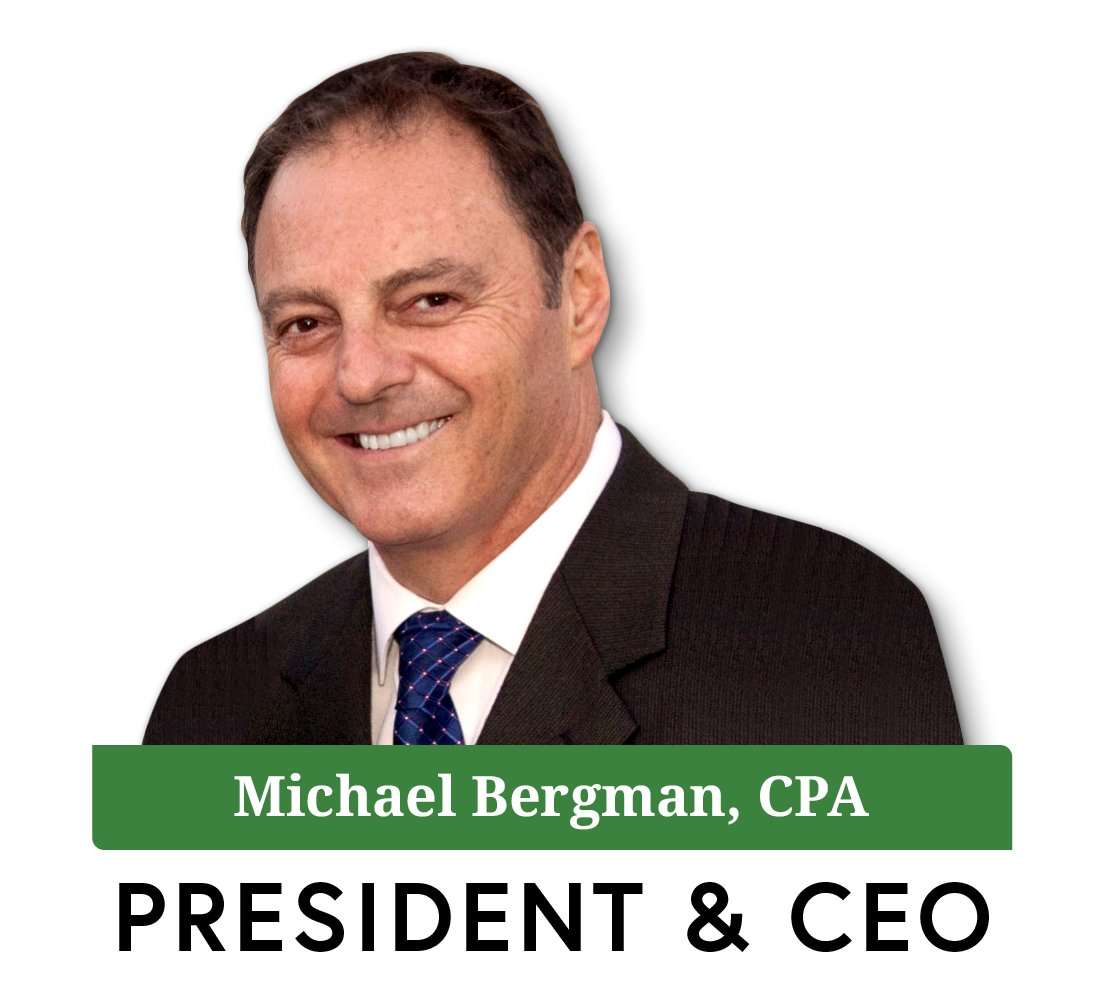
This page was reviewed by Michael Bergman, CPA, California CPA #56113. Verify license.
Looking for the full cost picture? This page covers Qualified Intermediary fees specifically. For all 1031 exchange costs (closing, legal, state-specific), see our complete 1031 Exchange Cost Guide.
Understanding 1031 Exchange Qualified Intermediary fees is crucial for planning a successful 1031 exchange. A standard delayed exchange fee ranges from $600 to $1,500; more complex exchanges may cost $2,000 to $5,000 or more. The exact fee depends on several factors, including the complexity of the transaction, the number of properties involved, and the type of exchange, such as a reverse or improvement exchange.
A Qualified Intermediary (QI) provides essential services that contribute to the success of a 1031 exchange, including ensuring legal compliance, securing exchange funds in escrow, handling documentation, and reporting.
Universal Pacific 1031 Exchange is an experienced Qualified Intermediary in Los Angeles, California. With 35+ years of experience, the company has helped investors navigate property transactions worth over $100 million. With a proven track record, our team of experts is ready to share their experience in facilitating seamless exchanges. Take the first step by booking a free consultation with us today.
In this article, we will explore 1031 Exchange Qualified Intermediary fees, the different types of 1031 exchanges, and other essential information you need to know.
What Is a 1031 Exchange?

A 1031 exchange is a tax-deferral strategy that allows real estate investors to sell an investment property and reinvest the proceeds into another property without paying capital gain taxes immediately. It serves as an opportunity for investors and property owners to increase their purchasing power and accelerate long-term wealth growth.
To qualify for a 1031 exchange, investors must follow strict rules and timelines established by the Internal Revenue Service (IRS). Key requirements include a 45-day identification period for potential replacement properties and 180 days to complete the purchase of one or more of those properties. Additionally, sellers cannot take direct control of the sale proceeds. The funds must be held in escrow by a Qualified Intermediary.
Role and Responsibilities of a Qualified Intermediary in a 1031 Exchange
A Qualified Intermediary is a neutral third party who manages the 1031 exchange process and ensures that the transaction complies with all IRS rules. The QI is essential because, according to Section 1031(k) of the Internal Revenue Code, the IRS prohibits property owners from directly handling the sale proceeds. Instead, the QI holds the funds in escrow and uses them to acquire the new property on behalf of the investor.
A Qualified Intermediary must be an independent third party with no formal relationship to the taxpayer. This means the QI cannot be a family member, employee, attorney, accountant, or business partner of the taxpayer. Beyond holding the exchange funds, a Qualified Intermediary assists with proper documentation and offers professional guidance throughout the 1031 exchange process.
One key benefit of using a QI is that investors can legally defer capital gains taxes while remaining compliant with IRS regulations. They also simplify the 1031 exchange by coordinating deadlines, handling documentation, managing communication, and overseeing fund transfers.
However, before choosing a Qualified Intermediary, you need to be sure that they possess the expertise and experience to facilitate a successful 1031 exchange. Also, consider other important factors such as customer support and QI fees.
Qualified Intermediary Fee Structures: Flat Fee vs Percentage Fee
A flat fee is a common 1031 Exchange Qualified Intermediary fee structure. It is a fixed amount charged for managing the exchange, regardless of the total transaction value. This fee structure is typically used for standard forward exchanges that involve one relinquished property and a single replacement property.
Flat fees typically range from $600 to $1,500, depending on the complexity of the exchange. Extra services, like managing multiple replacement properties or handling reverse or improvement exchanges, often come with additional charges. One advantage of a flat fee is predictability, which helps investors plan their budget more effectively.
For very high-value transactions, a flat fee may not accurately reflect the intermediary’s workload and risk. In such cases, choosing a different fee structure is advisable. In contrast, service providers calculate a percentage-based fee on the sale price of the relinquished property or the total transaction value.
This fee structure is often used for high-value or complex exchanges, where flat fees may undercompensate the intermediary. Percentage fees typically range from 0.25% to 0.50% of the transaction amount. These fees scale with the transaction size, ensuring proportional compensation for the intermediary. However, they can be less predictable and may become costly for large deals.
Investors should consider the total cost, not just the base fee, when choosing between flat and percentage structures. Additional charges, such as document preparation, title fees, attorney fees, wire transfers, or handling multiple-properties, can significantly affect the overall cost. Flat fees are ideal for straightforward, moderate-value exchanges, while percentage fees may be better suited for complex or high-value transactions.
Qualifying Properties and Requirements
To qualify for a 1031 exchange, both the relinquished and replacement properties must meet specific IRS requirements. First, the properties must be held for investment or business purposes, not for personal use. Primary residences, vacation homes, and fix-and-flip properties (held only for resale) are not eligible.
Second, the IRS requires that both properties be like-kind. This does not mean they must be identical, but they must be similar in nature and purpose and of equal or greater value. For example, you can sell a raw land and purchase an office property, as long as both are investment or business properties within the United States.
Finally, a 1031 exchange requires hiring a Qualified Intermediary (QI) to hold the proceeds throughout the transaction and ensure compliance with IRS regulations. Additionally, the exchange must be completed within the IRS-mandated timelines.
1031 Exchange Timeline and Deadlines
A 1031 exchange timeline begins on the closing day of the relinquished property. Immediately after the sale, the countdown begins for identifying and acquiring a replacement property. Investors have 45 calendar days to formally identify potential replacement properties in writing and submit the list to the Qualified Intermediary. Three key rules apply during the 45-day identification period:
- You may identify up to three properties, regardless of their value.
- You may identify more than three properties, only if their total value does not exceed 200% of the relinquished property’s value.
- If you exceed both limits, the identification is still valid under the 95% rule, provided you acquire at least 95% of the total fair market value of all identified properties.
- Identified properties cannot be changed after Day 45.
After identification, investors must acquire one or more replacement properties within 180 days of the relinquished property sale. A common mistake is assuming the 180 days begin after the 45-day identification period. This misunderstanding often causes investors to miss the IRS deadline for a 1031 exchange.
It is important to note that the 180-day period runs concurrently with the 45-day identification period and does not begin afterward. Once the investor acquires the replacement property within the required timeline, the 1031 exchange is complete.
Debt and Equity Requirements in a 1031 Exchange
To successfully defer capital gains taxes in a 1031 exchange, an investor must keep the same level of investment when moving from the relinquished property to the replacement property. This requirement applies to both equity (cash) and debt (loans).
Equity represents the net value of the property after paying off any outstanding mortgage at the time of sale. The IRS requires that all net equity must be fully reinvested into the replacement property. If the investor withdraws any cash from the transaction, the IRS treats the withdrawn amount as taxable boot. Debt works similarly.
When a property is sold, any existing loan is paid off. The IRS considers relief from debt a financial benefit, so the investor must replace the value of that debt. Investors can achieve this by taking a new loan, contributing additional cash, or purchasing the replacement property entirely with cash.
What Services Are Included in a Qualified Intermediary Fee?

A 1031 Exchange Qualified Intermediary’s fees cover all essential services required to complete a 1031 transaction in compliance with IRS rules. While the exact services may vary by firm, the following are commonly included:
1. Holding Sale Proceeds: The QI receives and secures the funds from the sale of a relinquished property in an escrow account, ensuring that the investor does not take direct control of the money. Holding sale proceeds is a core service included in a Qualified Intermediary fee during a 1031 exchange. The proceeds are then used to purchase the replacement property by the QI.
2. Preparing and Reviewing Exchange Documents: The QI drafts and organizes all necessary paperwork, including the exchange agreement, assignment of sale contracts, and other IRS-compliant forms. These documents ensure the transaction meets legal requirements and qualifies for tax deferral.
3. Coordinating the Exchange Process: This is a fundamental service provided by a Qualified Intermediary. They act as a neutral middleman between all parties involved in the transaction, such as the seller, buyer, closing agents, and title companies. The QI manages the timing of fund transfers, document signings, and property identification, ensuring deadlines like the 45-day identification period and 180-day completion window are met.
4. Basic Reporting and Recordkeeping: This type of service, offered by a QI, involves keeping detailed records of the exchange, including fund transfers, property identification notices, and confirmations of completed transactions. Proper recordkeeping is essential because it helps investors accurately report the exchange on their tax return.
Step-by-Step Guide to a 1031 Exchange with a Qualified Intermediary
We have provided a detailed guideline to complete a successful 1031 exchange with a Qualified Intermediary:
Step 1: Engage a Qualified Intermediary Early
The first and most critical step in conducting a 1031 exchange is hiring a QualifiedIntermediary before selling your investment property. As previously stateshe IRS requires that the seller not take control of the sale proceeds. Hence, the QI helps to hold the funds, prepare the necessary legal documents, guide you through the process, and help ensure that your exchange meets all IRS requirements.
Step 2: Sell Your Relinquished Property
Once you’ve hired a QI, you can get a buyer for your current investment property and sell it. The QI receives and safeguards the proceeds from the sale. You cannot access or control these funds directly; doing so would invalidate the exchange and make the capital gains immediately taxable. The QI ensures that the funds are properly segregated and protected throughout the exchange period.
Step 3: Identify Replacement Property
You must identify replacement property within 45 days of the sale of your relinquished property. The identification must be in writing and submitted to the QI. The IRS allows you to identify up to three properties, regardless of their value, or follow certain rules if you identify more. Proper identification is crucial; failure to meet the 45-day deadline automatically disqualifies the exchange.
Step 4: Complete Documentation
The QI prepares and manages all necessary legal and IRS-compliant documentation. This includes the exchange agreement, assignment of contracts, and notices for the replacement property. Accurate documentation ensures compliance with the IRS and protects your ability to defer taxes. The QI also coordinates deadlines, communicates with closing agents, and ensures all paperwork is executed correctly.
Step 5: Close on Replacement Property
Within 180 days of selling the relinquished property, you must complete the purchase of the replacement property. The QI transfers the sale proceeds to the seller or closing agent to finalize the acquisition. Meeting the 180-day deadline is essential; missing it results in a failed exchange and triggers capital gains taxes.
Step 6: Review and File Taxes
Even though a 1031 exchange defers capital gains taxes, the transaction must be reported on your tax return using IRS Form 8824. Accurate reporting is necessary to maintain the deferred status of your capital gains. The QI’s documentation simplifies this process and ensures you have the necessary information for your accountant or tax professional.
How Much Does a Qualified Intermediary Charge in a 1031 Exchange?
Comparing What Different 1031 Exchange Companies Charge
1031 exchange companies typically charge $600–$1,500 for a standard delayed exchange. Reverse and improvement exchanges run $3,000–$7,500 due to added complexity. Flat-fee models dominate the industry — beware percentage-based pricing on large transactions, where the same service can cost 5–10× more. Always ask for an itemized fee sheet up front so you know exactly what the QI charges before signing.
One of the most common questions real estate investors ask is: “What are the 1031 Exchange Qualified Intermediary fees?” Having a better understanding of the average Qualified Intermediary fees for a 1031 exchange helps investors to budget accurately and avoid surprises. The cost of a QI varies depending on factors such as the complexity and structure of the transaction. For a standard delayed exchange involving one relinquished property and one replacement property, the average fees typically range from $600 to $1500.
Larger institutional intermediaries may charge slightly higher, around $800 to $1,200, while smaller firms often offer lower rates starting from $600. Additional charges may apply for extra services. For example, if multiple replacement properties are identified, most intermediaries add $250–$500 per property.
More complex exchanges, such as reverse or improvement exchanges, usually involve extra coordination and risk, which increases QI fees to $3,000–$10,000 or more. Other possible 1031 exchange costs include wire transfers, document preparation, or extended administrative costs.
Below is a comparison table showing the fee ranges for institutional vs non-institutional Qualified Intermediary 1031 exchange fees.
| Feature | Institutional Qualified Intermediary | Non-Institutional Qualified Intermediary |
| Affiliation | Usually affiliated with a bank, title company, or large financial institution | Independent firms focused specifically on 1031 exchange services |
| Administrative Fee | $800 – $1,200 per transaction | $600 -$800 per transaction |
| Additional Property Fees | $200 – $400 per extra property | $200 – $400 per additional property |
| Typical Clients | Large investors or complex exchange transactions | Investors seeking cost-effective, straightforward exchanges |
How QI Fees Fit Into Total 1031 Costs
Aside from the QI fees, there are other 1031 exchange costs worth considering before you initiate a 1031 exchange. A proper understanding and assessment of these fees helps you avoid costly errors and unexpected expenses. Such costs include:
Legal and Accounting Fees
Ensuring compliance with IRS specifications means you may have to consult an attorney or tax advisor. Their service fee amount varies depending on their expertise and the case’s complexity. Some local jurisdictions also charge recording fees to record the sale and purchase of real estate.
Financing-Side QI Considerations
You might incur loan acquisition fees and other associated costs if you require financing to cover the exchange expenses. If you involve a real estate agent or broker to sell the relinquished property or purchase a property, you might need to pay broker commissions. Additionally, you may incur interest income on the money held in escrow, and this interest income is taxable as it’s not part of the exchange funds.
Inspection Fees
It’s recommended to inspect and appraise an investment property before acquiring it. For instance, an environmental assessment might be necessary for certain commercial properties to ascertain factors such as security and market proximity. These services come with extra fees.
Closing Costs
The 1031 exchange closing costs include several expenses related to finalizing the transaction. You can incur closing costs on both the sale of the relinquished property and the purchase of the replacement property. Examples of closing costs include title closing fees and insurance fees, escrow fees, recording fees, and transfer taxes. If you involve real estate agents or brokers, their commissions are also part of the closing costs, typically paid by the seller.
Property Transfer Taxes
Some states or local jurisdictions impose transfer taxes on the sale or purchase of real estate. For instance, the State of New York charges $2 per $500 of value. In Nevada, real estate investors pay $1.95 for each $500 of value, and the County Recorder records the deed only when the transfer taxes and the recording fees have been paid.
Potential Boot
In a case where you don’t reinvest all of your property sales proceeds in the replacement property, the portion that is not reinvested is known as boot. You cannot defer capital gains taxes on a boot in a 1031 exchange, so you’ll have to pay the tax and any associated fees.
Factors That Influence the QI Fees

How much you pay for QI fees for a 1031 exchange varies based on factors such as how complex the transaction is, the services offered by the QI, the location of the QI, their reputation, and their experience.
- Complexity of the transaction – The more complex a transaction is, the higher the QI fees. The complexity of a 1031 exchange depends on several factors, including the number of properties involved, the level of perceived risk, and the size of the capital. It may also vary based on any unique requirements specific to the exchange.
- Geographical location of the QI – The governing regulations of a state (like license requirements) can affect a QI’s operational costs, and consequently, their fees. Additionally, QIs in developed or busy cities may charge more due to higher demands, while you may pay less for QIs in less developed areas.
- Services offered by the QI – A Qualified Intermediary may charge higher fees if they offer other comprehensive services, such as search assistance for the replacement property, investment consultation, etc.
- Experience and reputation of the QI – Highly experienced QIs who are in high demand and have a good track record in the 1031 exchange industry can command high fees due to their expertise.
Comparing 1031 Exchange Companies on Fee Structure

The Qualified Intermediary fees may vary significantly from one company to another. So, you need to compare the QI fees and assess their services to be sure you’re getting the right value for your money while staying within budget. Especially for investors who engage qualified intermediaries frequently, shopping around for more affordable and efficient QIs can save you hundreds of dollars in the long run.
Also, comparing different qualified intermediaries and their service fees helps you gain insights into the exchange expenses and what makes for a reasonable fee structure. This can give you an edge in negotiations to maximize value for money and help you avoid unexpected transaction costs such as hidden charges.
However, although it’s essential to consider the QI fees in a 1031 exchange, cost should not be your only focus when comparing qualified intermediaries. Pay close attention to other critical factors such as reliability, reputation, range of services, expertise, transparency, etc.
Common Misconceptions About 1031 Exchange Qualified Intermediary Fees
Over time, people have developed certain misconceptions around the QI fees, and these misconceptions can lead to wrong decisions when choosing qualified intermediaries. The four major misconceptions you should be wary of include:
1. Lower Fees Always Mean a Better Deal
Sometimes, lower fees may indicate that a QI is offering limited services. Also, QIs with low reputation or experience tend to charge less as a marketing strategy to attract more clients. Hence, a lower fee does not always mean a better deal.
2. All QIs Offer the Same Fees for Their Services
Different QIs offer different services and the respective fees for each service may vary. It’s important to understand the fee structure of your QI and what the fees cover.
3. QI Fees Are Fully Tax-Deductible
While some exchange-related costs may be deductible as part of the property transaction, QI fees are generally not tax-deductible. Instead, they are treated as transaction expenses, reducing the taxable gain upon eventual sale.
4. All QIs Offer the Same Level of Security
Not all QIs provide the same level of security for exchange funds. Some may use interest-bearing accounts, while others may not. Additionally, certain QIs carry insurance or bonding to protect client funds, which may come at a higher fee.
How To Choose the Right Qualified Intermediary for Your 1031 Exchange
Before you start an exchange with a QI, you should be sure you understand what to look out for in a QI. Knowing these important factors will help you take the right steps in choosing a suitable QI for your transactions.
- Research thoroughly and check QI credentials – This helps you verify the expertise, experience, and competence of a QI. The QI must be well-versed in IRS regulations for 1031 exchanges to ensure a successful tax-deferred exchange, as noncompliance can disqualify your exchange transaction for tax deferral.
- Ask for referrals and testimonials – You can get referrals from an escrow officer, family, or friends to recommend a suitable QI. Also, analyze testimonials and client reviews on third-party sites.
- Make sure the QI understands your unique situation – Understanding the peculiarity of your exchange transaction helps your QI tailor their services to your specific needs. You also need to ascertain that the QI offers the services particular to your case.
- Find out the QI fees and any other costs involved – You should compare different potential QIs and see what they charge. It’s advised to confirm that there are no hidden fees so that you can be sure you’re choosing a QI you can afford. You can also learn how to choose a Qualified Intermediary.
Common Pitfalls to Avoid When Choosing a Qualified Intermediary Fees
Choosing the right QI is not only about knowing what to do; you also need to know the mistakes to avoid. Such pitfalls include:
Not Vetting the QI Properly
It is risky to finalize an agreement with a QI without knowing their credentials, experience, reputation, and client reviews. An inexperienced or unQualified Intermediary may make errors in handling funds, preparing documents, or meeting strict IRS deadlines. This can disqualify the exchange and trigger immediate capital gains taxes.
To avoid such mistakes, ensure you conduct in-depth research and vet the Qualified Intermediary of your choice. Request references, customer reviews, and confirm that their experience in the type of exchange you are conducting. Always review their fee structure and services, and determine what works best for you.
Choosing a Qualified Intermediary Based Only on the Lowest Fee
While saving money is important, focusing only on price when choosing a QI for a 1031 exchange can expose you to serious financial risks that far outweigh your initial cost savings. In some cases, a very low fee may indicate limited experience, inadequate staffing, or a lack of understanding of IRS regulations.
Another concern is that bargained fees often cover only basic services, such as document preparation and holding sale proceeds. Investors may later discover that additional charges apply for handling multiple replacement properties, complex exchange structures, or preparing extra documents.
These hidden fees can cause a seemingly cheap option to become more expensive and exceed the investor’s budget. When selecting a Qualified Intermediary for a 1031 exchange, it is essential to evaluate experience, reliability, service quality, and fund protection, not just pricing.
Failure to Factor in All Costs
Unplanned expenses can take you off budget and delay the exchange process. Ensure that you create a detailed budget to cover the QI fees and other possible costs. Consider the costs involved when selling property, costs that are unique to a reverse exchange if that’s what you’re running, and other possible fees.
Some of these additional costs include wire transfer fees, document preparation or notarization fees, title and escrow fees, and extended administrative or consulting fees. Proper planning ensures that the exchange is financially friendly and prevents surprises that could reduce or eliminate tax-deferred benefits.
Not Comparing Fee Structures
1031 exchange Qualified Intermediary fees are not charged the same way. Some QI use a flat fee structure, while others apply tiered pricing based on the value of the transaction, the number of properties involved, or the complexity of the exchange. For example, a flat fee might cover only a single replacement property and a basic forward exchange.
If the investor later identifies multiple properties or needs additional documentation, extra charges may apply. On the other hand, an itemized fee structure, which may appear more expensive upfront, can be more cost-effective because it captures all extra services. Comparing and understanding the various 1031 total exchange fees would allow you avoid surprise charges and efficiently manage your exchange budget.
Waiting Too Long to Hire a Qualified Intermediary
Another common pitfall many investors make during a 1031 exchange is engaging with a Qualified Intermediary later during the exchange process. The IRS mandates that a QI must be in place before the sale of the relinquished property closes, to avoid the investor receiving the sale proceeds.
If the seller gains control of the proceeds, even briefly, the exchange is automatically disqualified, and the transaction becomes fully taxable. Hiring a Qualified Intermediary late into the exchange can lead to incomplete paperwork, misunderstandings about exchange requirements, or missed planning opportunities.
Need an Affordable Qualified Intermediary?
The success of your 1031 exchange depends largely on your choice of a Qualified Intermediary. When choosing a QI, endeavor to assess the QI fees so you can plan better and be sure it’s within your budget. Our experts at Universal Pacific 1031 Exchange in Los Angeles are here to help you make the right choice. Follow our step-by-step guide to a 1031 exchange or contact us to book a free consultation.
FAQs
This section provides answers to common questions about a 1031 exchange Qualified Intermediary fees.
What Fee Structure Is the Best?
The best fee structure depends on your transaction type. Flat fees are ideal for standard exchanges, typically $600 to $1,500. Percentage-based fees scale with property value, better for high-value deals, while tiered or hybrid fees combine a base fee with extra charges for complex or multiple-property exchanges, sometimes reaching $2,000–$5,000.
Can 1031 Exchange Qualified Intermediary Fees Be Negotiated?
Yes, in many cases, a 1031 exchange Qualified Intermediary fees can be negotiated, especially for exchanges involving larger or multiple properties. Some QIs may choose to offer discounts for straightforward transactions, repeat clients, or bundled services.
Do Qualified Intermediaries Charge Extra Fees?
Yes, many QIs charge extra fees for additional services beyond a standard 1031 exchange. This can include handling multiple replacement properties, reversed exchanges, construction/improvement exchanges, or wire transfers. It is important to clarify all potential charges upfront to avoid hidden fees in a 1031 exchange when hiring a Qualified Intermediary.
Are There Hidden Fees?
Yes, there can be hidden or additional fees in a 1031 exchange if the Qualified Intermediary fee structure, roles, and services are not clearly discussed at the beginning of the exchange. Common examples of potential hidden fees include wire transfer or bank fees, notary fees, extra administrative charges, and per-property fees.
How Much Does a Qualified Intermediary Charge in 1031 Exchange
Most QIs charge a flat fee per exchange, typically ranging from $600 to $1,500 for a standard 1031 exchange transaction; for more complex or high-value transactions, they can charge up to $2,500-$3,000. Some Qualified Intermediary charges a percentage of the exchange value, usually around 0.25% to 0.50% of the property’s sale price.
How to Choose a Qualified Intermediary for a 1031 Exchange
When choosing a Qualified Intermediary for a 1031 exchange, look for one with proven experience, transparent fees, trustworthy, and a strong knowledge of IRS rules.
About The Author
Michael Bergman, CPA
Michael Bergman is a California-licensed CPA and Real Estate Broker with 35+ years of experience in commercial real estate. Specializing in 1031 tax-deferred exchanges and financial oversight, his expertise is invaluable for complex real estate transactions. Michael’s unique blend of financial acumen and real estate knowledge positions him as a trusted advisor in the industry, offering sound advice and strategic insights for successful property management and investment.
Read more. Don’t let taxes hinder your property investment decisions. Connect with us today for a free, no-obligation 1031 exchange consultation. Anywhere in the United States. Let us help you navigate the process with ease, available nationwide. Start an Exchange
Fees are one number in the decision. For the bigger picture, our 1031 exchange research shows the tax deferred through like-kind exchanges held near $11 billion a year while commercial property prices fell about a fifth from their 2022 peak.
Disclaimer: This article is for informational purposes only and is not legal, tax, or financial advice. Tax laws change and every situation is different. Please consult a qualified attorney, CPA, or tax advisor before making decisions about your property, sale, or 1031 exchange.
Editorial Policy
All articles are reviewed for accuracy by licensed tax professionals and sourced from official government publications. Read our Editorial Policy →
About The Author
 Michael Bergman is a California licensed CPA and Real Estate Broker with over 35+ years of CPA-supervised 1031 exchange experience in commercial real estate. Specializing in 1031 tax-deferred exchanges and financial oversight, his expertise covers complex real estate transactions. Michael’s unique blend of financial acumen and real estate knowledge positions him as a trusted advisor in the industry, offering sound advice and strategic insights for successful property management and investment.