DST 1031 Exchange
Quick answer
A Delaware Statutory Trust lets several investors pool funds and each hold a fractional interest in real estate. Because that beneficial interest is treated as like-kind property, DST interests can serve as replacement property in a 1031 exchange, which gives passive ownership and limited personal liability instead of managing a building directly.
Acquiring investment properties through the 1031 exchange helps you defer capital gains taxes on the sale of old property. But did you know you can also qualify for tax deferrals when you invest in Delaware Statutory Trusts? You can combine a DST investment with the 1031 exchange strategy to maximize tax deferral benefits while growing and diversifying your portfolio.
Delaware Statutory Trusts (DSTs) is a unique investment structure within the 1031 exchanges that allows multiple investors to pool their funds to own apportioned interests in real estate assets. However, executing a successful DST 1031 exchange requires a proper understanding of how it works. So, it’s best to consult with an experienced Qualified intermediary to help you stay compliant.
With 35+ years of experience in facilitating 1031 exchanges, our 1031 exchange qualified intermediaries at Universal Pacific 1031 Exchange have the required experience to guide you through a smooth and compliant DST 1031 exchange. We’re always available to answer your questions and facilitate your exchange. Schedule a DST 1031 Exchange consultation with us today to get started.
This guide aims to help you understand DSTs, the process, benefits and potential drawbacks. We also discuss the financial risks involved, tax implications, and how to find the right DSTs amongst others.
What Is a DST 1031 Exchange?

A Delaware Statutory Trust (DST) 1031 exchange refers to a type of investment strategy that combines the use of a Delaware Statutory Trust with the tax deferral benefits of a 1031 exchange in the United States. A DST 1031 exchange is made up of two main components: the DST and the 1031 exchange. Let’s break down these key components:
According to Section 1031 of the Internal Revenue Code, the 1031 exchange allows an investor to defer capital gains tax on the sale of an investment property. To qualify for this tax deferral, you must reinvest the proceeds in a “like-kind” replacement property.
Delaware Statutory Trust, on the other hand, is enacted under Delaware Law for the fractional ownership of property. Instead of buying a property directly, investors may team up to invest in a DST. This gives them fractional ownership of the replacement property, also known as beneficial interest. The structure enables multiple investors to own a share of a single property or a portfolio of properties.
Combining these two, a Delaware Statutory Trust 1031 exchange allows an investor to sell a property, defer capital gains taxes by using a 1031 exchange, and reinvest the proceeds into shares of a DST that owns one or more real estate properties. This can be an attractive option for investors looking for passive income, as the DST is managed by professional managers who handle all aspects of property management and operations.
Key Features of a DST in Real Estate

Delaware Statutory Trusts offer several unique features that make them an attractive option for most real estate investors looking to diversify their portfolios and potentially defer taxes on capital gains. Here are the key features of a DST in investment real estate:
Fractional Ownership
DST investors own a proportional share or fractional interest in the entire trust, which in turn enables them to own the real estate properties. This allows individual real estate investors to participate in the ownership of larger, potentially more profitable properties than they might be able to afford or manage on their own.
Passive Investment
Since professional managers or sponsor companies take care of the real estate portfolio, DST investors don’t have direct involvement in the day-to-day management or operations of the property. So, if you’re looking for passive real estate income streams without the complexities of property management, consider doing a 1031 exchange into DSTs.
Limited Personal Liability
As with other trust structures, investors in a DST typically enjoy limited personal liability. Their risk of loss is generally limited to the amount of their investment in the DST, protecting personal assets beyond the invested capital.
Flexibility in Acquisition and Financing
DSTs can hold a single property or a portfolio of properties as they offer flexibility in investment strategies. They are also eligible for easier financing arrangements, as lenders deal with the DST as a single borrower rather than multiple individual investors.
Eligibility for 1031 Exchanges
One of the most significant advantages of investing in a DST is its eligibility as a suitable replacement property for investors looking to execute a 1031 exchange. Investors can defer capital gains taxes by reinvesting the proceeds from the sale of various investment properties into a DST holding real estate.
The Process of a DST 1031 Exchange

Understanding how this strategy works helps maximize the combination of its component strategies. Below is a breakdown of the process:
- Sell the Relinquished Property: To initiate the 1031 exchange process, sell the relinquished property. Remember that the properties involved in the transaction must be commercial real estate assets. They must be held for investment or business, not personal use property.
- Choose a Qualified Intermediary (QI): Hire an experienced Qualified Intermediary before closing the sale. The QI will hold the proceeds from the sale to prevent constructive receipt by the investor, which is crucial in deferring capital gains taxes.
- Adhere to the IRS Timeline for 1031 Exchange: After the sale of your investment property, you have 45 days to identify potential replacement properties. Commercial real estate investors can identify more than one potential replacement property as long as they comply with the applicable IRS rules. The three IRS rules for identifying multiple properties are the 200% rule, the 95% rule, and the three-property rule. You only need to work with one of them.
- Reinvest the Sales Proceeds in a DST: To fully defer all capital gains taxes, you need to reinvest all the exchange proceeds into the DST(s). The property you invest in must be of equal or greater value than the sold property. You must also communicate this decision in writing to the qualified intermediary within the 45-day identification period.
- Complete the Exchange: You have a total of 180 days from the sale of the original property to complete the purchase of the replacement property, in this case, the DST interest. Note that the timeline runs concurrently with the 45-day identification period.
- Transfer of Funds: Once the terms are agreed, the QI transfers the proceeds to the DST, finalizing the purchase of the DST shares on your behalf. The QI also helps in proper documentation and prepares closing statements to reflect the completion of the exchange, including the transfer of investment into the DST.
- Reporting: You must report the Delaware Statutory Trust 1031 exchange on the IRS Form 8824 with your tax return for the year in which the exchange occurred.
Financial Requirements for Entering a DST 1031 Exchange

To enter a 1031 DST exchange, there are certain financial requirements you must meet. These requirements come from both regulatory perspectives and those set by the DST sponsors. They include:
Minimum Investment Amounts
DSTs often have minimum investment requirements that can vary significantly depending on the trust and the properties it holds. Minimums are typically around $25,000 to $100,000, but they can be higher. This threshold ensures that accredited investors are genuinely capable of contributing to the property’s collective ownership.
Accredited Investor Status
Many DSTs admit only accredited investors. This means they must have a net worth exceeding $1 million, excluding the value of their primary residence. Alternatively, an accredited investor must have an income exceeding $200,000 ($300,000 for joint income) for the last two years with the expectation of the same or higher income in the current year.
Sufficient Equity and Debt Replacement
To fully defer your capital gains taxes in a 1031 exchange, you must reinvest all of the net proceeds from the sale of your investment property into the DST. Additionally, you need to replace any debt on the relinquished property with either new debt in the DST or additional equity.
Liquidity Requirements
Some DSTs and 1031 exchanges might have liquidity requirements to crosscheck that investors have enough liquid assets to cover their investment and any unforeseen expenses. Investments in DSTs are generally illiquid. So, make sure you have sufficient liquidity outside of your DST investment to cover your needs without relying on the ability to quickly sell your interest in the DST.
Tax Implications and Planning
Ensure you have a clear understanding of the tax implications of a Delaware Statutory Trust 1031 exchange, including the requirements for deferring capital gains taxes and the impact on your overall tax situation. You may need to consult with a tax professional who has experience with DSTs and 1031 exchanges to handle these complexities effectively.
Example of a 1031 Exchange Into a DST
Donald, a 50-year-old savvy investor, needed to sell his office complex. He felt it was time to relieve himself of the responsibilities of managing the properties and also set up a fair estate for his children. The complex was worth $700,000 at the time.
When Donald reached out to his tax advisor, he learned that he would incur substantial capital gains taxes should he sell the property. As a way of deferring these taxes, his tax advisor recommended a 1031 exchange into a DST. After researching and reviewing various DST replacement properties, Donald invested $500,000 into a no-debt warehouse and the remaining $200,000 in a no-debt multifamily apartment building. That way, he was able to defer taxes while diversifying his portfolio through DSTs.
If you’re considering DST 1031 investments, you need professional guidance to be sure you’re on the right track. It’s recommended to consult with an experienced qualified intermediary with a track record of success in 1031 exchange DST investments for proper guidance throughout the process.
What Are the Limitations and Risks of DST 1031 Exchanges?

Despite its numerous benefits, 1031 DST exchanges have several limitations and risk factors that can discourage investors. The most obvious is that DSTs don’t give you the ease of liquidation until the lifecycle of the trust—typically five to ten years—has elapsed.
More so, the success or failure of your investment depends on the business acumen of the trustee and management team. Any mistake on their part can make or mar the entire investment. Other notable risks include regulatory changes and the instability of interest/refinancing rates due to various economic factors.
As such, you must do due diligence on the trustee, the property, and even the existing tenants before buying DST interests. Some tenants are prone to owing rent, negatively affecting the business’s revenue.
How to Choose the Right DST for a 1031 Exchange

Before choosing a DST for your investment portfolio, it’s necessary to carefully consider various factors to ensure it aligns with your financial goals, risk tolerance, and investment strategy. Follow this guide to select the right DST:
- Assess Sponsor Reputation and Track Record: Look for sponsors with extensive experience in managing DST investments and a solid track record of performance. Also, confirm that they have experience in the specific type of real estate within the DST. Moreover, research the sponsor’s reputation in the industry, including any regulatory issues or lawsuits they may have faced.
- Understand the Property Type and Market: Different types of properties – residential, commercial, industrial – come with different risk and return profiles. Choose asset classes that align with your investment goals and risk tolerance. Secondly, consider the property’s geographic location and market characteristics, including demand and supply factors, economic growth, and employment trends in the area.
- Review Financials and Projections: Evaluate the projected cash flow and distributions. Understand the assumptions behind these projections and assess whether they’re realistic. Look into the property’s financing, including loan terms and interest rates. Prioritize properties with stable, long-term financing in place to mitigate interest rate risk.
- Diversify Your Portfolio: Properties with a diversified tenant base can offer more stable income streams. Be wary of properties that depend only on a single tenant. Consider DSTs that provide exposure to different geographic areas and sectors to reduce risk.
- Legal and Tax Considerations: Ensure that the DST’s debt is non-recourse to investors, limiting your personal liability. More importantly, verify that the DST is structured to comply with IRS requirements for 1031 exchanges to ascertain the deferral of capital gains taxes. Also, Carefully review all costs associated with the DST, including management fees, acquisition fees, and any other expenses that could impact your returns.
- Analyze the Exit Strategy: Understand the sponsor’s planned hold period for the property and ensure it aligns with your investment timeline. Look for a clear exit strategy for the property, including potential market conditions for sale, to ensure you can liquidate your investment when you want.
- Consult Professionals: Speak with registered investment advisors familiar with real estate and DST investments to get an unbiased opinion on the suitability of a DST for your portfolio. Also, consult with legal and tax professionals to understand the implications of investing in a DST, especially regarding 1031 exchange rules and potential tax benefits or liabilities.
Need a Qualified Intermediary?
Especially for investors looking for passive ownership and management of commercial real estate, a 1031 DST exchange provides an opportunity to grow your investment tax-deferred. But before investing your funds, ensure you understand all it takes to avoid costly mistakes. The best way to start is to consult with a reputable QI experienced in this kind of exchange.
Universal Pacific 1031 Exchange has some of the best Qualified Intermediaries in the country. With 35+ years of professional experience and a team of tax and financial experts, you can trust us to handle your tax-deferred exchange needs with the utmost excellence. Visit our 1031 exchange Los Angeles office or schedule a free 1031 exchange consultation with us to get started.
FAQ
What Are the Alternatives to DSTs in a 1031 Exchange?
Some of the alternatives to DSTs in a 1031 exchange include direct property ownership, Tenant-in-common (TIC), and limited liability companies (LLCs). Direct property ownership involves buying the asset in your name, giving you full control over management and financing. Tenancy-in-Common has a co-ownership structure where up to 35 investors hold undivided interests in a property.
This is the most common alternative to DSTs in a 1031 exchange but opens you to more liabilities. An LLC, on the other hand, protects you in the event of a lawsuit or liquidation. Although it’s commonly used for like-kind exchanges, multi-member LLCs are susceptible to disputes that could disqualify the transaction. It’s important to know what you aim to achieve before choosing an investment strategy.
Who Is a Good Candidate for a DST 1031 Exchange?
A good candidate for a 1031 exchange DST is an investor who wishes to defer capital gains taxes on the sale of an investment property and doesn’t want managerial or direct control over properties. 1031 DST exchanges are ideal for candidates seeking passive income, diversification, and estate planning benefits.
What Is the Average Return on a DST?
The average return on a DST typically ranges from 4% to 6% annually in terms of cash-on-cash yield (income distributed to investors). However, the total return, which may include property appreciation, can vary depending on factors such as asset type, market location, leverage, and the specific deal.
What Investors Should Know: IRS Rules, Control, Expenses, Liability, Debt, and Ownership?
Investors considering a 1031 exchange DST should understand key IRS rules. The IRS requires that investors do not control or manage the property; everything is handled by the trustee. Liability is generally limited as investors are not responsible for the property’s debts, but they pay fees and expenses out of their profits.
Also, ownership is fractional, giving investors beneficial interests rather than direct deeds. In terms of expenses, you will have to pay legal fees, QI fees, escrow fees, etc. Before you commence, sit down with your Qualified Intermediary to get a breakdown of these fees to avoid surprises.
DSTs vs.Tenancy in Common: What’s the Difference?
While DST and tenancy-in-common are both ownership structures that qualify for 1031 exchange, they differ in control and complexity. With DST, an investor is not concerned about active management duties. They only own DST interests and enjoy passive income. TIC gives each investor partial ownership, with shared control over major decisions such as leasing and selling.
Also, co-owners in the TIC may partake in active management of the properties. A DST may comprise up to 499 investors, but it’s easier to set up and finance. TICs involve fewer people, usually limited to 35 investors, and require more work and coordination.
What Happens If a DST Trustee Violates Mandatory Tax Restrictions?
If a DST trustee violates mandatory tax restrictions set by the IRS, it can result in serious consequences such as the DST being treated as a business entity instead of a trust. This leads to disqualification for a 1031 exchange, triggering immediate capital gains taxes and depreciation recapture.
Additionally, investors may decide to pursue legal action against the trustee for breach of fiduciary duty and mismanagement that causes tax harm. Lastly, the IRS could audit the DST structure and the investors involved. This could lead to additional penalties on the grounds of underpaid taxes arising from the DST’s qualification.
What Are the Ownership Options Available in a 1031 Exchange?
Several ownership options are available in a 1031 exchange, and they include Delaware Statutory Trust, Tenants-in-Common, and Qualified Opportunity Funds (QOFs). Each of these ownership options has different levels of control, management responsibility, liquidity, and complexity, providing investors the opportunity to choose what best fits their goals and lifestyle.
What Is the Difference Between a 1031 Exchange and a Delaware Statutory Trust?
A 1031 exchange is a tax-deferral strategy that allows real estate investors to sell one investment property and reinvest the net sales proceeds into another “like-kind” property without paying immediate capital gains taxes.
On the other hand, a Delaware Statutory Trust is a separate legal entity for holding real estate assets and can serve as a “replacement property” for a 1031 exchange. Essentially, you can do a 1031 exchange into a DST using the proceeds from your relinquished property as your investment capital.
What Is the Best DST 1031 Exchange Company?
Universal Pacific 1031 Exchange is the best company that facilitates DST 1031 exchanges. It has more than 35+ years of CPA-supervised 1031 exchange experience in helping individuals and businesses defer taxes on capital gains through Section 1031 like-kind transactions. With a team of seasoned Qualified Intermediaries, tax consultants, and financial experts, Universal Pacific can help you conduct an IRS-compliant DST 1031 exchange.
Can You Do a 1031 Exchange out of a DST?
Yes, you can do a 1031 exchange out of a DST using your beneficial interest. You can either do this at the expiration of the DST’s lifecycle or while it’s still operational. The former attracts less IRS scrutiny and would require that your share of the DST properties’ sale be sent to your Qualified Intermediary.
The QI will use the funds to buy your replacement property. Doing a 1031 exchange out of a DST while the trust is still operational is quite difficult because very few people are interested in buying into a DST. Also, it draws so much attention from the IRS.
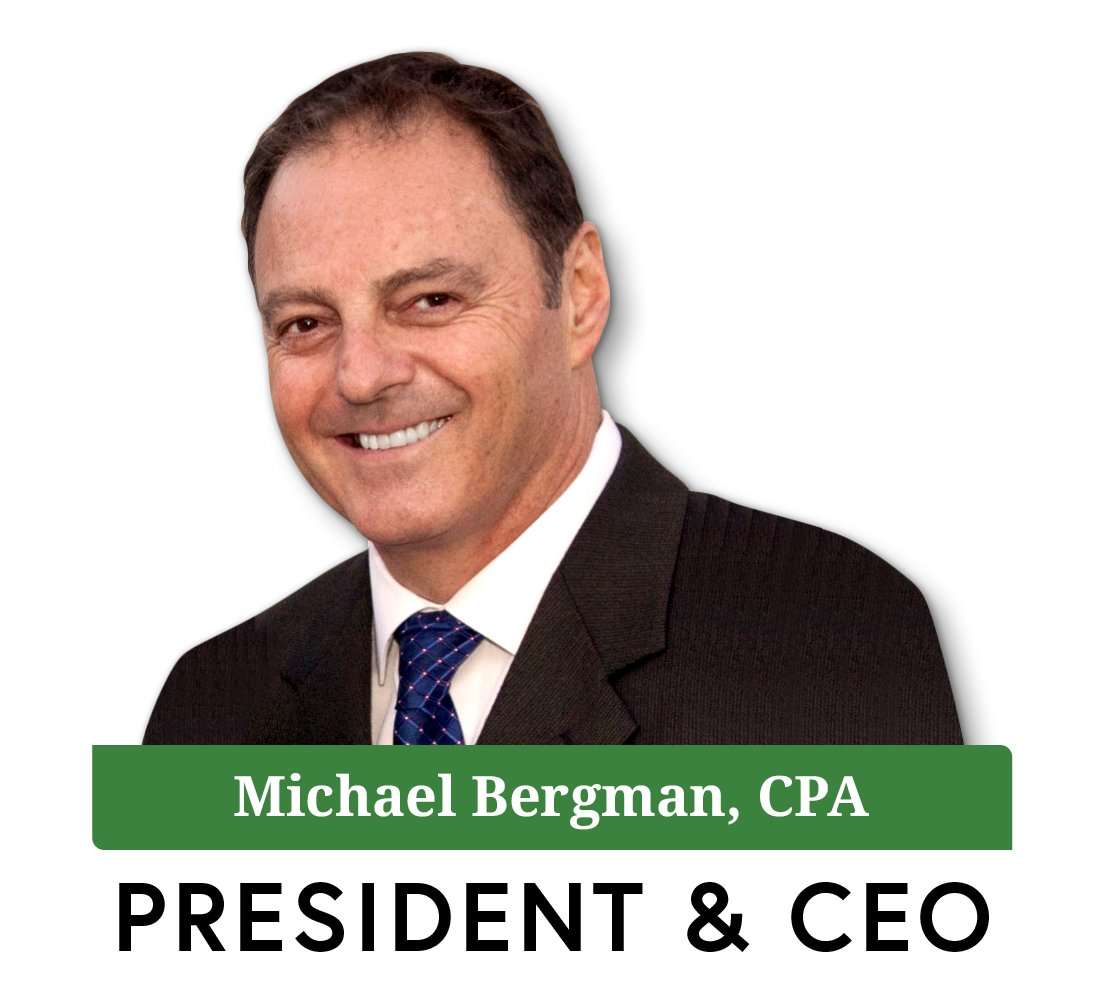
This page was reviewed by Michael Bergman, CPA, California CPA #56113. Verify license.
Disclaimer: This article is for informational purposes only and is not legal, tax, or financial advice. Tax laws change and every situation is different. Please consult a qualified attorney, CPA, or tax advisor before making decisions about your property, sale, or 1031 exchange.
Editorial Policy
All articles are reviewed for accuracy by licensed tax professionals and sourced from official government publications. Read our Editorial Policy →
About The Author
 Michael Bergman is a California licensed CPA and Real Estate Broker with over 35+ years of CPA-supervised 1031 exchange experience in commercial real estate. Specializing in 1031 tax-deferred exchanges and financial oversight, his expertise covers complex real estate transactions. Michael’s unique blend of financial acumen and real estate knowledge positions him as a trusted advisor in the industry, offering sound advice and strategic insights for successful property management and investment.