1031 Exchange Multiple Properties: Rules for Buying, Selling, and Identifying Multiple Properties
Quick answer
The IRS rules for a 1031 exchange allow you to buy multiple replacement properties for a single relinquished property. This strategy helps you diversify your asset portfolio and improve cash flow.
Conversely, you can also exchange multiple relinquished properties for one replacement property. This strategy requires the guidance of an experienced, Qualified Intermediary to ensure you adhere to all the 1031 exchange rules and maximize tax deferral benefits.
With 35+ years of hands-on experience, our expert Qualified Intermediaries at Universal Pacific 1031 Exchange have the expertise and experience to facilitate 1031 exchanges involving multiple replacement properties without violating any IRS requirement. We’re committed to guiding you through every step of the exchange process to make sure you comply with all necessary regulations while having a smooth exchange. Schedule a free consultation with us today to get started.
In this blog, you will learn how to do a 1031 exchange for multiple properties for one property, the rules and requirements, and alternative strategies you can go for if this one does not align with your investment goals.
How Many Properties Can You Buy in a 1031 Exchange?

In a 1031 exchange, there is no hard limit on the number of properties you can buy as replacement properties. However, the IRS has specific rules regarding how many properties you can identify in a 1031 exchange. These 1031 exchange identification rules make sure that the process remains compliant with tax deferral requirements and allow investors to align the exchange to their unique financial and investment strategies. The rules include the following:
1. The Three-Property Rule
Under the Three-Property Rule, you can identify up to three properties, but you must purchase at least one of them. However, you are not obligated to purchase all three properties. For example, you might identify three options but ultimately choose one or two for the exchange. These properties can be of any value, meaning you can choose higher-value or lower-value assets. This rule is commonly used because it provides a straightforward way to list multiple properties without additional restrictions on value.
2. The 200% Rule
The 200% Rule lets you identify an unlimited number of replacement properties provided that their combined total fair market value does not exceed 200% of the value of the relinquished property. This rule often benefits investors looking to diversify their real estate portfolio. For example, if you sold one investment property worth $1 million, you can identify as many business or investment properties as you like, but their total fair market value must not exceed $2 million, which is 200% of $1 million. With the 200% rule, you have flexibility on your choice of replacement properties while maintaining a cap on the value of potential replacements.
3. The 95% Rule
You apply the 95% Rule if you wish to identify more than three properties or exceed the 200% value limit. Under this rule, you must purchase at least 95% of the total value of all identified properties to qualify for the exchange. This rule is typically used in rare cases where investors identify numerous properties or pursue a complex portfolio diversification strategy.
Can You Exchange Multiple Properties For One in a 1031 Exchange?

Yes, you can exchange multiple properties for one investment property in a 1031 exchange, as long as all the properties involved meet the IRS’s requirements for a like-kind exchange.
Just as you can identify and purchase multiple replacement properties, you can also relinquish two or more properties for a single replacement property. This process, often referred to as a “consolidation exchange,” allows you to combine several smaller properties or investments and reinvest the proceeds into a single, higher-value property. It is commonly used to simplify property management, consolidate equity, or upgrade to a more valuable asset.
Benefits and Challenges of Exchanging Multiple Properties For One
As an investor, there are many ways you can benefit from exchanging multiple properties for one investment property. To start with, owning and managing multiple properties can take so much time and effort. However, by consolidating into a single property, you get to reduce the burden of management with regard to tenants, maintenance, and administrative tasks.
Another common benefit is improved cash flow. A larger, single property, such as a commercial building or a multi-family complex, may generate higher and more consistent rental income compared to multiple smaller rental properties.
Moreover, the consolidation exchange strategy allows you to upgrade your real estate portfolio by moving from lower-value properties to a higher-value asset with better appreciation potential or in a more desirable location. Additionally, a single property may carry less risk than two relinquished properties or more, if it is located in a stable market or has high-quality tenants with long-term leases.
Despite these benefits, a 1031 exchange with multiple properties also poses certain challenges to real estate investors. One of such obstacles is the IRS’s strict identification and closing deadlines. The IRS generally gives a 45-day identification period where an investor identifies potential replacements of their relinquished property and submits to the QI in writing.
Afterward, they have 180 days to purchase the properties and complete the exchange. Managing these timelines usually becomes more complicated when multiple properties are involved. Missing any of these deadlines can jeopardize the entire exchange, leading to a taxable sale.
Another challenge is finding a replacement property that has equal or greater value than the relinquished property. Choosing a lesser value property can result in “boot”, which can trigger unexpected taxable gains.
Additionally, multi-property exchanges often involve multiple sellers, lenders, and escrow agents, which can affect closing timelines. Working with a Qualified Intermediary is essential to stay compliant and avoid mistakes that can disqualify the exchange.
How to 1031 Exchange Multiple Properties For One
Whether selling multiple properties to buy one or selling one to buy multiple, conducting a 1031 exchange with multiple properties requires careful planning and alignment with applicable IRS requirements. Here, we’ve provided you with a step-by-step guide to help you successfully complete a 1031 exchange involving multiple properties.
- Step 1: Understand 1031 exchange rules – Before you start an exchange, find out the key requirements of a 1031 exchange. Remember the timeline, the Qualified Intermediary requirement, and other important rules.
- Step 2: Hire a Qualified Intermediary (QI) – The IRS requires you to use a QI to handle the exchange. The QI will hold the sale proceeds from your relinquished properties to ensure you do not take possession of the funds. Choose an experienced QI to avoid errors that could disqualify the exchange.
- Step 3: Sell the relinquished properties – Begin by listing and selling the properties you wish to relinquish. You can sell multiple properties individually, but make sure they close in a time that falls into your 1031 exchange timeline.
- Step 4: Identify potential replacement properties – Once you sell the relinquished properties, you have 45 calendar days to identify the single replacement property. Provide the QI with a written list specifying the replacement property’s details, such as the address or legal description, fair market value, etc. Regarding how many properties you can identify in a 1031 exchange, the IRS allows you to identify multiple potential replacement properties using the Three-Property Rule, 200% Rule, or 95% Rule. However, when exchanging for one property, the focus will typically be on a single high-value replacement asset.
- Step 5: Close on the replacement properties – You must close on the replacement property within 180 calendar days from the sale of the first relinquished property. Coordinate with your QI, lenders, and real estate professionals to ensure a smooth closing process. The QI will use the proceeds from the sale of the relinquished properties to purchase the replacement property, completing the exchange.
- Step 6: File tax forms – At tax time, report the 1031 exchange on IRS Form 8824 (Like-Kind Exchanges). You should learn how to file a 1031 exchange before you proceed. Better still, consult with a tax advisor to ensure the form is completed accurately and to account for any state-specific tax reporting requirements.
Rules and Requirements For Exchanging Multiple Properties

To maximize the benefits of exchanging multiple properties for one, you must strictly follow the rules and requirements set by the IRS. Let’s discuss the key rules and requirements for successfully completing this type of exchange.
1. Like-Kind Requirement
To qualify for a 1031 exchange, all properties involved, whether multiple relinquished properties or a single replacement property, must meet the IRS’s like-kind criteria. Properties are considered like-kind if they are of the same nature or character, irrespective of the grade or quality. Both the relinquished properties and the replacement property must be held for business or investment purposes. Remember that personal use properties do not qualify. Apart from these, find out other reasons that disqualify a property from being used in a 1031 exchange.
2. Equal or Greater Value Requirement
To defer capital gains taxes fully, the total fair market value of the relinquished properties must be equal to or greater than the value of the replacement property. Additionally, any debt paid off during the sale of the relinquished properties must be replaced with equal or greater debt on the replacement property, or you must contribute additional cash to make up the difference. For example, if you sell up to three properties for a combined value of $2 million and they have $300k in debt, the replacement property must be worth at least $2 million, and you must assume at least $300k in debt (or contribute $300k in cash).
3. Use of a Qualified Intermediary (QI)
The IRS requires that you use a Qualified Intermediary (QI) to facilitate the exchange. The QI holds the proceeds from the sale of the relinquished properties and releases them for the purchase of the replacement property. You’re not allowed to directly handle the funds, as doing so will disqualify the exchange. With their experience, a Qualified Intermediary can also guide you through the 1031 exchange process to make sure you don’t violate any of the rules that may disqualify you from tax deferral.
4. The Exchange Timeline
According to the IRS, every successful 1031 exchange must be completed within the timeline for a 1031 exchange – 180 days from the sale of the relinquished properties. This timeline is divided into two main periods. You have the first 45 days after the sale of the relinquished properties to identify the potential replacement property. In the case of multiple relinquished properties, the 45-day clock starts after the sale of the final property. After the identification, you must close on the replacement property within the remaining 135 days, making a total exchange period of 180 days. Missing this deadline will disqualify the exchange and trigger tax liabilities.
5. Reinvesting all Sale Proceeds
You must reinvest all the proceeds from the sale of the relinquished properties into the purchase of the replacement property. Any part of the funds that is not reinvested is referred to as boot in a 1031 exchange and will be subject to capital gains taxes. Similarly, if the total value of the replacement property is less than the combined value of the relinquished properties, the difference will also be taxed.
6. Tax Implications
While a 1031 exchange allows for deferral of capital gains tax, it does not eliminate them entirely. Taxes will be due if the replacement property is sold without reinvestment in another 1031 exchange. Additionally, some states have specific tax rules for 1031 exchanges, particularly when exchanging properties across state lines. For example, California imposes a “clawback” rule, tracking deferred taxes for out-of-state replacements.
When you exchange multiple properties for one, you must report the transaction on IRS Form 8824 (“Like-Kind Exchanges”) for the tax year in which the exchange occurred. The form requires details such as descriptions of all properties involved, the dates of sale and purchase for each property involved, the total fair market value of the properties, and any cash received or debt relieved during the exchange (known as “boot”).
Strategies for Purchasing Multiple Properties in a 1031 Exchange
To avoid costly mistakes when buying multiple properties, you need a good understanding of the real estate market, careful planning, and adherence to IRS regulations on property identification. Here, we’ve provided some strategies that will help you purchase multiple properties in a 1031 exchange without any hassle.
- Diversify your identified properties using the 200% rule. To make the most of this strategy, focus on identifying properties in various markets or asset classes. For example, you can choose a mix of residential rental properties, commercial buildings, and vacant land to achieve a balance of cash flow and appreciation potential.
- Structure financing in advance. Purchasing multiple properties often requires proactive financing solutions. Before initiating the exchange, secure financing pre-approvals for the replacement properties to avoid delays. Additionally, consider the use of installment sales or seller financing for one or more properties.
- Conduct a detailed cash flow analysis. You need to evaluate the cash flow potential of each property to confirm that it meets your financial expectations. Analyze rental income, operating expenses, and potential maintenance costs for the properties identified. That way, you can prioritize properties that offer higher returns while still adhering to your overall diversification strategy.
- Diversify across locations. Consider acquiring properties in different geographic regions to minimize market-specific risks. For instance, you can protect your portfolio against localized economic downturns by combining urban, suburban, and rural properties.
- Work with a qualified team. Running a 1031 exchange involving multiple potential replacement properties can be complex. It often requires coordination among real estate agents, attorneys, tax advisors, and qualified intermediaries. So, work with a team of professionals experienced in multi-property exchanges to guide you through the process.
- Monitor market conditions. Timing is very important when purchasing multiple properties in a 1031 exchange. Although you can close the properties at different times, you must complete all transactions within the 180-day deadline. Therefore, you need to monitor market trends, interest rates, and property availability in your target locations.
Benefits and Risks of Buying Multiple Properties in a 1031 Exchange

Although buying multiple properties during a 1031 exchange can be a rewarding investment strategy, it also comes with certain risks you need to beware of. Below, we outline the key benefits and risks to help you weigh the decision carefully and align it with your financial goals.
Benefits of Buying Multiple Properties
- Acquiring multiple properties allows you to diversify your portfolio by spreading your investments across different asset types, geographic locations, or market segments.
- Investing in multiple income-producing properties can help maintain consistent cash flow by creating multiple revenue streams. This is especially useful if you’re looking to build passive income.
- It allows you to meet specific investment goals, such as balancing high-appreciation properties with cash-flow-focused investments.
- You can also align the investment properties with your risk tolerance by mixing stable, low-risk assets with properties offering higher returns but more volatility.
- Having a diverse property portfolio enables you to experiment with different management strategies. You might manage some properties directly and outsource others to professional property managers, which provides insights into cost efficiencies and operational effectiveness.
- By reinvesting proceeds into multiple properties, you can fully defer capital gains taxes.
- If all proceeds from the sale of the relinquished property are reinvested, you avoid boot in a 1031 exchange and maximize the financial benefits of a 1031 exchange.
Risks of Buying Multiple Properties
- Identifying, negotiating, financing, and closing multiple deals within the timeline for a 1031 exchange can be challenging, especially if you’re not an experienced investor.
- Each property purchase involves costs such as inspections, appraisals, legal fees, and 1031 exchange closing costs. These costs can add up quickly, potentially reducing the overall financial benefit of the exchange. Investors must account for these expenses when calculating returns.
- Diversification can reduce some risks, but market fluctuations or economic downturns can still affect multiple properties, especially if they share common vulnerabilities. For example, acquiring properties in similar sectors, like retail, may expose your portfolio to sector-specific risks.
- Securing financing for multiple properties can be more difficult than financing a single, larger property. Lenders may impose stricter terms or higher interest rates, particularly if the properties vary in size, type, or location.
- Managing multiple transactions increases the risk of failing to meet the exchange deadlines, which could disqualify the exchange and trigger immediate tax liabilities.
To minimize the risks associated with buying multiple properties in a 1031 exchange, we recommend the following steps:
- First, you don’t need to handle the whole process yourself. It’s better to work with an experienced qualified intermediary and other professionals such as real estate agents and attorneys to handle the complex sides of the exchange.
- Secondly, you should obtain pre-approvals for loans to reduce closing delays. Additionally, evaluate each property’s financials, market potential, and risks before committing to the purchase.
- It’s also important to stay organized throughout the 1031 exchange process and focus on meeting the IRS’s 45-day identification and 180-day closing deadlines.
Is it Possible to Purchase Properties in Different States in a 1031 Exchange?

Yes, it is possible to purchase properties in different states as part of a 1031 exchange. As long as the replacement properties meet the requirements for a 1031 exchange property, they can be located in any state within the United States. However, note that investment properties outside the United States are not considered like-kind with properties in the U.S. Therefore, properties outside of the U.S. do not qualify.
How to Structure a 1031 Exchange with Multiple Properties in an LLC
Executing a 1031 exchange when multiple properties are held in an LLC can further complicate the entire exchange process and add an extra layer of tax complexity. An LLC, or limited liability company, is a common real estate ownership structure that many investors use to own a property or run a business while at the same time protecting their personal assets from lawsuits or debts.
There are two types of LLCs: the single-member LLC and the multi-member LLC. Single-member LLCs are typically treated as disregarded entities, which means that the individual owner is considered the taxpayer. This classification of LLC is straightforward and has little to no complications. A multi-member LLC is usually taxed as partnerships; hence, the partnership and not the individual members is the exchanging party.
The IRS has a “same taxpayer” rule that requires the same taxpayer who sells the relinquished property to acquire the replacement property. This means that all members of the LLC must collectively agree to sell the properties and reinvest the proceeds. . Individual members cannot “take their share” and do their own separate exchange, because the IRS does not allow exchange of ownership interests in an LLC; only the real estate held qualifies.
To perform a multi-property exchange with an LLC, it is important to ensure that the replacement properties must have equal or greater value or debt than the property that was sold. Additionally, the replacement properties must be bought in the same LLC’s name that sold the original properties. Changing ownership names during the exchange can lead to its disqualification.
The LLC or its members must not take direct possession of the exchange proceeds to avoid triggering a taxable boot. The sale proceeds must go directly to the QI, who will be responsible for purchasing the replacement properties and facilitating the exchange.
Depreciation Recapture Considerations When Exchanging Multiple Properties
Depreciation recapture is a tax rule that requires you to pay tax on the depreciation deductions you claimed during your ownership of an investment property when that property is sold. Depreciation is a beneficial tax strategy that lowers your taxable income over time; however, the IRS “recaptures” those benefits by taxing them at a higher rate when the property is sold.
When a 1031 exchange fully adheres to the IRS rules, depreciation recapture, like capital gains taxes, is deferred until the property is sold off without another exchange. To calculate depreciation recapture, all the relinquished properties are viewed as one, so the depreciation taken across each of the properties sold is carried forward into the replacement properties. In summary, as long as an investor continues to perform a well-structured 1031 exchange, depreciation recapture taxes continue to stay deferred till a taxable sale is performed.
Strategies for Combining or Splitting Properties in a 1031 Exchange

Combining multiple properties into one larger investment can simplify your portfolio, reduce management burdens, and create opportunities for higher returns. You can achieve these by defining your goals and taking strategic steps to get them.
When exchanging more than one property for a single replacement property, we recommend that you consolidate smaller properties into one high-value property. Sell several smaller properties and reinvest the proceeds into a single replacement property with greater income potential or appreciation prospects. Replace any paid-off debt with equal or greater debt on the replacement property, or contribute cash to cover the difference.
Another strategy is to optimize for location or market conditions. Consolidate properties in declining or slow-growth areas into a single property in a high-demand market. For example, exchange multiple rental homes in rural areas for commercial property in a thriving urban center.
On the other hand, splitting a single property into multiple smaller investments allows for diversification, better cash flow, and reduced exposure to market-specific risks. Minimize risk by spreading investments across different asset classes (e.g., residential, commercial, or industrial) or geographic areas. To do this, exchange a single high-value property, such as a commercial building, for several smaller properties in various locations.
Additionally, smaller properties, such as single-family rentals or duplexes, may generate higher cash flow relative to their value, compared to a single larger property. Hence, you can exchange a single underperforming property for several high-demand rental properties to boost income potential.
Alternative Strategies to Consider

When planning a 1031 exchange, traditional strategies may not always align with your specific goals or timeline. In such cases, it might be better to consider alternative approaches like Partial Exchanges or a Reverse 1031 Exchange for greater flexibility and still allow you to defer taxes. Let’s have a closer look at each alternative.
1. Partial Exchanges: Mixing Cash and Exchange Properties
A Partial 1031 Exchange allows you to reinvest only a portion of the proceeds from your relinquished property into like-kind replacement properties while taking the remaining proceeds as cash or other non-like-kind property. You can benefit from this approach if you need liquidity while still deferring taxes on a portion of the transaction. Keep in mind that the tax deferral benefits only apply to the portion of the proceeds reinvested in like-kind properties. Therefore, the cash non-like-kind property, also known as boot, is subject to capital gains taxes.
2. Reverse 1031 Exchange: Buying Replacement Property First
In a Reverse 1031 Exchange, you purchase the replacement property before selling the relinquished property. This strategy is useful in competitive markets where securing the desired replacement property quickly is critical, or when the sale of the relinquished property is delayed. Considering how the reverse 1031 exchange works, in the sense that it reverses the order of the traditional exchange, you have 180 days from the purchase of the replacement property to sell the relinquished property and complete the exchange.
Note that reverse exchanges involve more legal and logistical challenges, including the temporary transfer of title to the QI or EAT. Moreover, the reverse 1031 exchange costs are higher than for traditional exchanges due to additional fees for holding the replacement property. Additionally, securing financing for the replacement property while awaiting proceeds from the sale of the relinquished property may be challenging.
At this point, you may be wondering which strategy is right for you. Well, both strategies offer unique advantages and can be tailored to meet your specific investment needs. Here’s what we recommend:
- Choose a Partial Exchange if you need liquidity or want to diversify your investment strategy by combining like-kind exchanges with access to cash.
- Go for a Reverse 1031 Exchange if securing the right replacement property quickly is a priority, or if market conditions make selling your relinquished property challenging.
Need Help With a 1031 Exchange With Multiple Properties?
By consolidating multiple properties into one through a 1031 exchange, you get to upgrade to a more valuable asset, simplify your portfolio, and still defer capital gains taxes. If this strategy is not suitable for you, you can explore other alternatives listed in this blog, such as the partial or reverse 1031 exchange. Whichever you choose, you need careful planning and professional guidance to help you stay on track and avoid immediate tax liabilities.
As one of the leading Qualified Intermediary in Los Angeles, California, and nationwide, Universal Pacific 1031 Exchange has all it takes to make your exchange stress-free and successful. Our experts are here to guide you through every step, ensuring you maximize your tax deferral benefits while achieving your investment goals. Reach out to us today to start an exchange and receive professional guidance throughout the exchange period.
FAQ
Below are common question about 1031 exchange for multiple properties as well as their provided answers.
Can I Exchange One Property for Multiple Properties in a 1031 Exchange?
Yes. You can exchange a single relinquished property for multiple replacement properties, as long as you adhere to the IRS rules on identification and value. Many investors exchange into multiple properties to diversify their portfolio; however, you must ensure that the combined value of the replacement properties is equal or more than the property sold in order to fully defer taxes.
How Many Properties Can I Identify As Replacement Properties?
There are three main rules one can use when identifying potential replacement properties. They are:
- 3-Property Rule: Identify up to three properties regardless of value.
- 200% Rule: Identify any number of properties, as long as their combined value does not exceed 200% of the relinquished property.
- 95% Exception Rule: Identify more than three properties exceeding the 200% limit, but you must acquire at least 95% of the total value of the identified properties.
What Happens If I Miss the 45-Day Identification Deadline for Multiple Properties?
Missing any of the IRS deadlines can result to the exchange being treated as a taxable sale by the IRS. Even if all other requirements are met, the IRS considers the exchange incomplete if you do not identify the replacement properties within the 45-day period.
Are There Special Tax Implications When Exchanging Multiple Properties in an LLC?
Yes. The IRS requires that the LLC itself must conduct the exchange, because partnership interests do not qualify as like-kind property. Single-member LLCs are treated as disregarded entities, so the individual owner is the exchanging party. It is of necessity that the replacement properties are acquired in the same LLC name that sold the relinquished property to ensure compliance.
How Does Depreciation Recapture Work With Multiple Exchanged Properties?
Depreciation recapture ensures that the IRS reclaims deductions an investor took during their ownership of an investment property immediately it is sold. In a 1031 exchange, this tax is deferred and not eliminated, and the total depreciation is carried over into the replacement properties. Any mistake made during the exchange that results in a taxable sale, a portion of the recapture automatically becomes taxable.
Can I Buy Multiple Properties From Different Sellers in One 1031 Exchange?
Yes, you can purchase multiple properties from different sellers as long as you follow the IRS rules for identification and timing. Each property must meet the like-kind and investment-use requirements.
Can I Combine the Three-Property Rule and the 200% Rule?
No, you must choose one method for identifying replacement properties. Using both at the same time is not allowed by IRS guidelines.
Can I Change My Identification List After Submitting It?
You can replace a property on your list with another as long as you stay within the 45-day identification period. Any new property must still comply with the like-kind and value rules.
Can I Use a 1031 Exchange to Buy Fractional Interests (Like a DST or TIC)?
Yes, fractional interests in a DST or TIC are eligible for 1031 exchanges. These structures allow you to invest in multiple properties without direct ownership of each one.
Can I Buy a Property With Partners?
Yes, you can acquire a property with partners through a 1031 exchange, but all parties must follow IRS rules. Your ownership interest must be clearly defined to qualify for tax deferral.
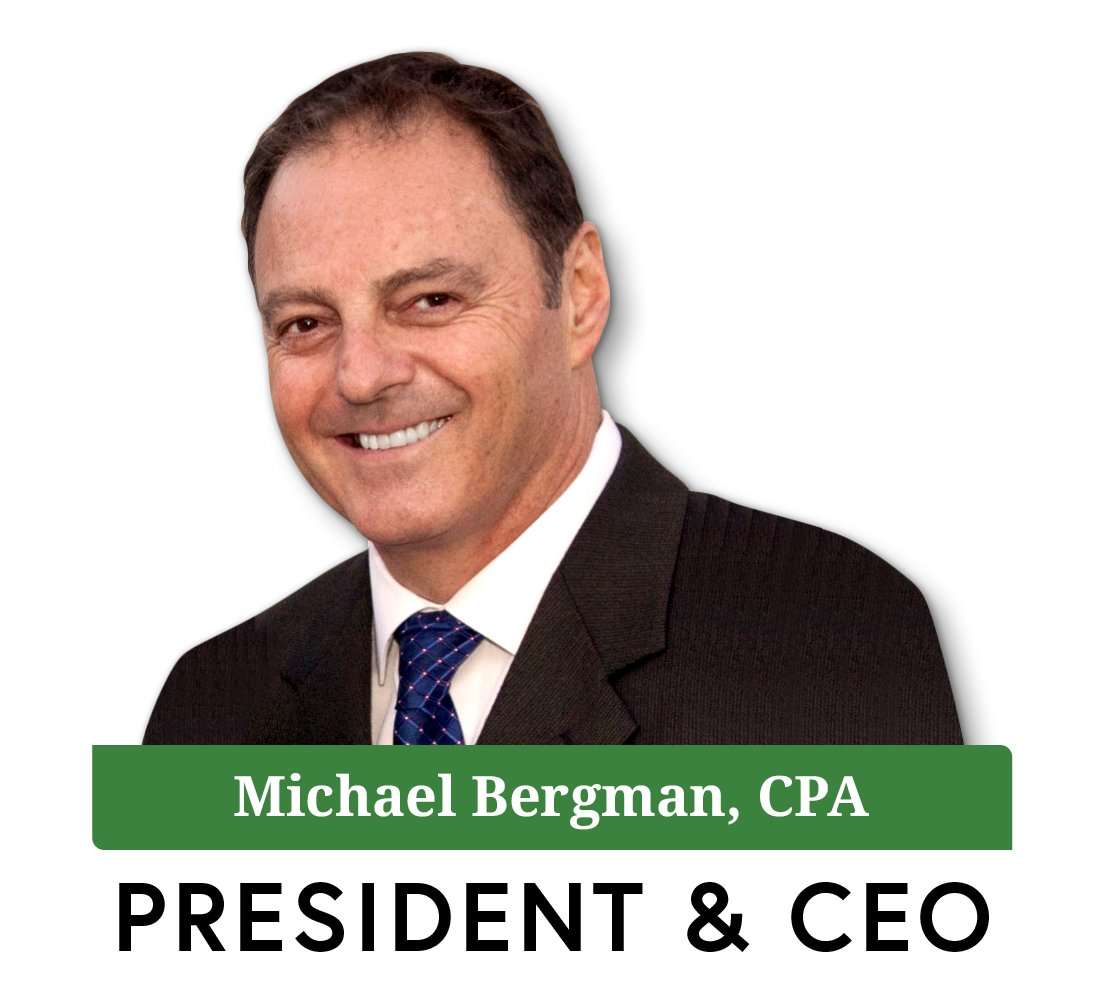
This page was reviewed by Michael Bergman, CPA, California CPA #56113. Verify license.
Disclaimer: This article is for informational purposes only and is not legal, tax, or financial advice. Tax laws change and every situation is different. Please consult a qualified attorney, CPA, or tax advisor before making decisions about your property, sale, or 1031 exchange.
Editorial Policy
All articles are reviewed for accuracy by licensed tax professionals and sourced from official government publications. Read our Editorial Policy →
About The Author
 Michael Bergman is a California licensed CPA and Real Estate Broker with over 35+ years of CPA-supervised 1031 exchange experience in commercial real estate. Specializing in 1031 tax-deferred exchanges and financial oversight, his expertise covers complex real estate transactions. Michael’s unique blend of financial acumen and real estate knowledge positions him as a trusted advisor in the industry, offering sound advice and strategic insights for successful property management and investment.