Reverse 1031 Exchange Fees
A reverse exchange costs more than a standard one because a third party must take title to one property while the other sale completes. On top of the intermediary fee you pay for that parking arrangement and the extra lender and title work it requires, which is why reverse exchanges are quoted well above a delayed exchange.
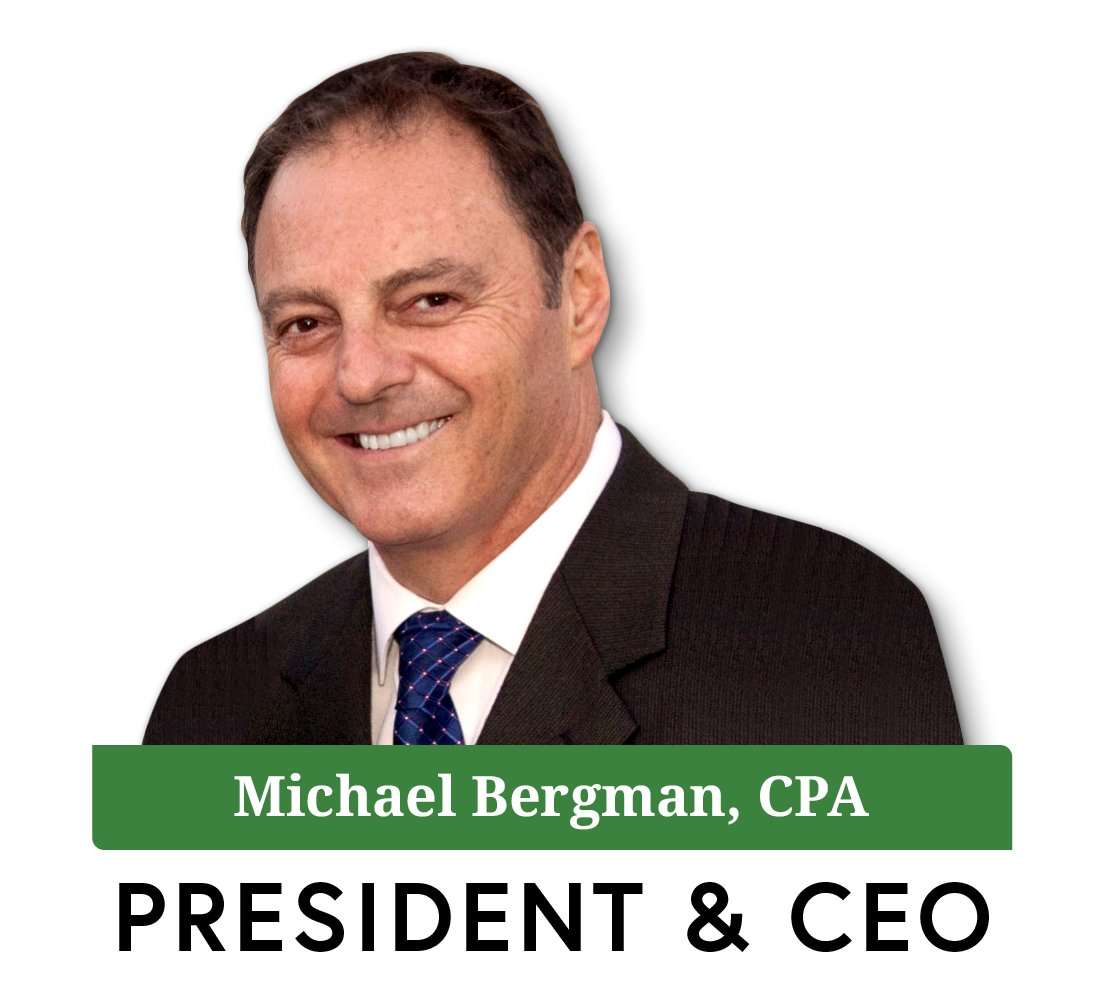
This page was reviewed by Michael Bergman, CPA, California CPA #56113. Verify license.
Unlike a traditional 1031 exchange, where you sell your property first and then buy a new one, a reverse 1031 exchange involves buying the replacement property before selling your current one. Since you’re purchasing the replacement property first, you need to understand the costs involved in a reverse exchange so that you can plan and execute the exchange more effectively.
On average, reverse 1031 exchange fees are between $6,000 and $10,000. The cost is generally higher compared to the forward exchange because of additional factors, such as holding the new property in a trust until the old property is sold. The exact cost of a reverse 1031 exchange depends on various factors such as the value of the properties involved, the fees charged by the QI and other professionals involved, and how complex the transactions are.
At Universal Pacific 1031 Exchange, we’re committed to making sure that you don’t need to break the bank to run a successful reverse 1031 exchange. As the experienced qualified intermediary in California, we do not only give you the best QI fee rates; we also have all the experience to help you minimize cost while deferring capital gains tax using a 1031 exchange. Book a free consultation with us today to start an exchange. We can also walk you through the standard 1031 exchange costs of a delayed exchange so you know what to expect.
In this article, you will learn about the reverse 1031 exchange, its benefits, the reverse 1031 exchange fees, and how you can manage these costs and make informed decisions.
What Is a Reverse 1031 Exchange?

The reverse 1031 exchange is a type of 1031 exchange that allows you to buy a replacement property before selling your relinquished property. Unlike the traditional 1031 exchange, reverse 1031 exchanges allow property owners to hold their old property until it appreciates as long as it’s within the IRS timeline.
During the holding period, you can’t own the new property and the relinquished property simultaneously. To handle this, an Exchange Accommodation Titleholder (EAT) takes temporary ownership of either the existing property or the new property on your behalf. The target property is then parked in a single-member limited liability company (SMLLC).
Note that the EAT must transfer either the parked new property to you or the parked relinquished property to the buyer on or before 180 days and you have 45 days to report the potential relinquished property after acquisition by the EAT. If you fail to adhere to the reverse 1031 exchange timeline, you won’t be qualified for tax deferral, meaning that your gains may be taxed.
A reverse exchange must also adhere to the rules of a 1031 exchange for identifying replacement properties. The new property must have equal or greater value than the old property, and you can also identify more than one replacement property as long as you follow the relevant rules.
How Much Does a Reverse 1031 Exchange Cost?

There are many component costs that combine to make up the reverse 1031 exchange fees. Such costs include the Qualified Intermediary fees, replacement property closing costs, EAT fees, title and escrow fees, etc. Now let’s have a detailed look at each of the costs involved.
- Qualified Intermediary (QI) Fees – In a reverse exchange, the qualified intermediary holds the replacement property until you sell the relinquished property. Hence, you’ll have to pay a holding fee, usually ranging from $1000 to $2000, depending on the holding period. You may also have to pay a setup fee to cover the creation and administration of the exchange purchase and sales agreement.
- Exchange Accommodation Titleholder (EAT) Fees – The EAT is a third-party company that holds the title to the replacement property during the exchange. The role of the EAT is necessary for compliance with the 1031 exchange rules, as the IRS prohibits the exchanger from holding the property title while the exchange is still on. The EAT also manages any operational aspects of the property during the holding period, which can add to the cost. The fees depend on the duration of the holding period and the complexity of the property title. You may also pay higher fees for each additional property, depending on the fee schedule.
- Closing Costs – This refers to the expenses directly related to the sale or purchase of real estate properties. Examples of closing costs include title insurance, escrow fees, legal and document fees, attorney fees (if applicable), survey fees, appraisal, inspection, etc. Closing costs typically range from 1% to 3% of the investment property value.
- Financing Costs – The financing costs in reverse exchanges are the expenses involved when you obtain short-term financing for a new property purchase. Short-term financing can be a loan that covers other related expenses, such as interest and prepayment penalties, depending on the lender. Make sure you carefully evaluate potential interim financing costs and determine their anticipated benefits in acquiring a property. On average, you should expect to pay around $5,000 for a $1 million property.
- Legal and Administrative Fees – These fees cover drafting the necessary exchange documents, agreements, and compliance with IRS rules. They may also include ongoing administrative costs for managing the exchange process. You should expect to pay around $500 to $1,000.
- Holding Costs – If the EAT holds the replacement property, you may need to cover holding costs such as property taxes, insurance, and maintenance during the exchange period. These costs vary depending on the value and location of the property.
For additional information on any of the costs mentioned, reach out to Finance Strategists, who will connect you to an expert in the matter and answer any inquiries you might have.
Benefits of a Reverse 1031 Exchange

There are many benefits that make reverse 1031 exchange a preferred option over traditional forward exchange. You need to understand these benefits to maximize them, and such benefits include the following:
- Less Pressure: A reverse 1031 exchange allows you to secure your desired replacement property before selling the relinquished property. That way, you’re not under pressure to find a suitable property within the 1031 exchange timeline that regulates the traditional exchange.
- Market Timing Advantage: By purchasing the new property first, you can take advantage of favorable market conditions, such as lower property prices or interest rates. This strategic timing can lead to significant cost savings and the potential for higher returns on investment.
- Reduced Risk of Losing the Replacement Property: In a traditional 1031 exchange, there’s a risk that the new property might be sold to another buyer before you complete the sale of your current property. A reverse 1031 exchange minimizes this risk by securing the replacement property first.
- Increased Negotiation Power: Owning the replacement property outright can give the investor more leverage when negotiating the sale of their relinquished property. Sellers may be more willing to offer favorable terms, knowing that the investor is not under pressure to meet an exchange deadline.
- Improved Property Management: You have the opportunity to manage or improve the replacement property while waiting for the sale of the old property. Any enhancements made can increase the value and appeal of the new property.
- Avoidance of Forced Sales: You are not forced to sell your current property at a potentially unfavorable time or price just to meet the exchange deadline. A reverse 1031 exchange provides the ability to wait for the right offer at the best value, ensuring maximum return on the relinquished property.
- Potential Tax Deferral: Like a traditional 1031 exchange, a reverse 1031 exchange allows for the deferral of capital gains taxes on the sale of the relinquished property, provided all IRS guidelines are followed.
Potential Drawbacks and Challenges

While a reverse 1031 exchange offers the advantage of securing a replacement property before selling the relinquished property, it comes with significant downsides, including higher costs, added complexity, and financing challenges. These risks and drawbacks make it essential to plan carefully, work with experienced professionals, and assess whether this strategy aligns with your financial goals and resources.
First, reverse 1031 exchanges are significantly more expensive than traditional 1031 exchanges, mostly due to the need for an Exchange Accommodation Titleholder (EAT) to hold title. Additionally, there may be holding costs, such as property taxes, transfer tax, insurance, set-up fees, and maintenance, during the exchange period.
Moreover, the reverse 1031 exchange process is much more complicated than a traditional exchange. Because of that, there’s an increased likelihood of errors in most exchanges, which could lead to disqualification of the exchange and tax liabilities.
Since the replacement property is purchased first, you need substantial upfront capital to complete the transaction. This can strain cash flow or limit your ability to pursue other investment opportunities while the exchange is in progress.
Meanwhile, if you do not have sufficient cash reserves, securing financing for reverse exchanges can be challenging. Many lenders are hesitant to fund loans for properties held by an EAT, as the arrangement adds legal complications and risks. This can limit your ability to complete the transaction smoothly.
Additionally, holding the replacement property while waiting to sell the relinquished property exposes you to market risks. If the market value of the original property declines, you could face financial losses or difficulty finding a buyer. Additionally, any delays in selling the relinquished property may increase your holding costs, such as mortgage payments, property taxes, and maintenance.
Example of a Successful Reverse 1031 Exchange Example
Mr. Buddy Gigglestein owns a commercial property close to the Metropolitan Museum in New York City. Being motivated by a significant increase in value over time, he wanted another valuable property nearby.
However, due to high capital gains taxes, he couldn’t afford both properties at the same time. To tackle this limitation, Mr. Buddy opted for a reverse 1031 exchange, and with the help of a QI, he successfully acquired the new property for $580,000 while holding the current one.
In compliance with the IRS regulations, the QI set up an EAT to temporarily hold the new property while he lists the relinquished property for sale. Within the exchange timeline, the value of the current property increased. He then sold it for $585,000, minus the $5,000 spent on exchange costs incurred during the purchase.
Tips for Managing Reverse 1031 Exchange Costs

The reverse 1031 exchange aims to defer tax liabilities while maximizing potential returns. As a result, you must make sure that reverse 1031 exchange fees are reduced to the barest minimum. The following tips can help you manage reverse exchange costs.
- Work with experienced professionals. The QI, EAT, and other experienced professionals help you prevent costly errors and delays by guiding you through the process and ensuring that you comply with IRS requirements. This is especially important when you’re running more complex exchanges, such as a 1031 exchange for primary residence or 1031 exchange for a vacation home.
- Find competitive financing rates that fit your budget. Ensure that you select a lender with a lower interest rate to minimize costs in the long run.
- Plan and prepare appropriately to reduce surprises. This enables you to allocate resources effectively to avoid sudden financial challenges.
- Keep a comprehensive checklist and timeline. Stay organized and on track throughout the exchange process.
Need a Qualified Intermediary?
The reverse 1031 exchange is loaded with many benefits and, of course, challenges. Apart from deferring tax on capital gains, other benefits include flexibility in your investment strategy and the leverage to increase reinvestment capital, thereby producing more returns. On the other hand, major challenges include complex transactions, short timelines, increased costs, and uncertainty in the market, as property may devalue over time.
Understanding the cost of a reverse 1031 exchange helps you plan well and make informed investment decisions. It helps you minimize surprises, create a detailed financial budget, allocate resources efficiently, and manage your risks. However, finding your way around the reverse exchange process can be challenging and burdensome. Therefore, you need the oversight of an experienced, Qualified Intermediary like Universal Pacific 1031 Exchange. If you have questions, need assistance, or would like to get started on your exchange journey, reach out to us today.
Disclaimer: This article is for informational purposes only and is not legal, tax, or financial advice. Tax laws change and every situation is different. Please consult a qualified attorney, CPA, or tax advisor before making decisions about your property, sale, or 1031 exchange.
Editorial Policy
All articles are reviewed for accuracy by licensed tax professionals and sourced from official government publications. Read our Editorial Policy →
About The Author
 Michael Bergman is a California licensed CPA and Real Estate Broker with over 35+ years of CPA-supervised 1031 exchange experience in commercial real estate. Specializing in 1031 tax-deferred exchanges and financial oversight, his expertise covers complex real estate transactions. Michael’s unique blend of financial acumen and real estate knowledge positions him as a trusted advisor in the industry, offering sound advice and strategic insights for successful property management and investment.