What Are the Best 1031 Exchange Investment Options?
Choosing the right investment option in a 1031 exchange is important because it determines how well you can grow wealth while deferring capital gains taxes. The type of property you reinvest in will also shape your cash flow, risk, and level of involvement.
The best 1031 exchange options include residential rentals, multifamily properties, commercial spaces, Delaware Statutory Trusts (DST), and others discussed in detail in this article. Each option comes with its own benefits and drawbacks, so it’s crucial to match your choice with your financial goals and risk tolerance.
At Universal Pacific 1031 Exchange, our experienced qualified intermediaries have 35+ years of experience guiding investors through smooth and IRS-compliant exchanges. We help you evaluate different investment property options, handle deadlines, and structure your exchange to support available tax-deferral benefits. Contact us today to start an exchange with professional support you can trust.
In this blog, we’ll discuss 14 of the best 1031 exchange investment options, the risks involved, tax implications, and how to choose the right fit for your portfolio.
What Qualifies as a 1031 Exchange Investment?

According to the Internal Revenue Code, investment properties must be like-kind to qualify for a 1031 exchange. Like-kind properties refer to properties of the same nature or character, regardless of differences in grade or quality. With the 1031 exchange, you can defer capital gains tax when you reinvest the sale proceeds of the relinquished property into another like-kind property. For example, you could sell an apartment building and buy farmland as replacement property, or you could sell raw land and reinvest in a shopping center.
Another eligibility requirement is that the properties you exchange must be used for business or investment. This means you need to hold the business property to produce income, run a trade, or build long-term wealth. Rental properties, farmland, or commercial spaces all fit these requirements. On the other hand, your personal residence or a vacation home that you mainly use for yourself will not qualify. Flipping properties usually doesn’t work either, since the IRS views those as dealer properties, not investments.
Furthermore, only properties located within the United States qualify for a 1031 exchange. The IRS does not allow you to sell U.S. real estate and buy property overseas as a replacement property. For example, if you sell a rental condo in California, you can buy a commercial property in Texas or raw land in Florida, but not a vacation rental in Mexico or Europe.
Moreover, to fully defer your taxes, you must buy a replacement property of equal or greater value than the property you sold. You also need to match or increase your equity and debt levels. That means if you had a mortgage on your old property, you need to carry at least the same level of debt into the new property.
If you buy a cheaper property or reduce your debt, the difference in cost is called boot in a 1031 exchange, and the IRS taxes it. To keep your exchange fully tax-deferred, focus on meeting or exceeding the value and debt you had before.
14 Common 1031 Exchange Investment Options
Choosing the right 1031 exchange investment can feel overwhelming because there are many different property types and strategies available. Each option has unique advantages, risks, and management requirements. To help you cut through the noise, we’ve outlined 14 of the best options, their benefits and drawbacks, and who they’re ideal for.
1. Residential Rental Properties
Residential rentals include single-family homes, condos, and small multi-unit buildings rented out to tenants. In a 1031 exchange, these properties qualify as long as you use them for rental income and not for personal use. For example, if you sell a condo you’ve been renting out, you can exchange it for another rental property in a different market.
Residential rental properties are popular because they are easy to understand and often affordable compared to commercial buildings. They can also generate a steady monthly cash flow. However, this type of property requires hands-on management, including dealing with tenants, repairs, and vacancies. If you want a straightforward way to build wealth and you don’t mind active management, residential rentals may suit you well.
2. Commercial Real Estate
Commercial real estate includes office buildings, retail centers, shopping complexes, and mixed-use properties leased to businesses. You can sell an investment property and trade into a commercial space, provided you hold it for business or investment purposes. For example, you could sell a rental duplex and buy a small strip mall.
These properties often bring higher income potential through longer-term leases with business tenants. They also allow you to diversify away from residential tenants. However, commercial properties can be more complicated because they usually cost more to buy, require specialized lease agreements, and are more affected by changes in the market. They work best if you want larger income streams and can handle more advanced property management.
3. Multifamily Properties
Multifamily properties range from small apartment complexes to large buildings with dozens or hundreds of units. They qualify in tax-deferred exchanges if you operate them as rental properties for income. Many investors sell smaller holdings and trade up to multifamily properties to benefit from greater efficiency and higher returns.
Multifamily offers strong cash flow, since your income comes from multiple tenants. It also helps reduce vacancy risk, because losing one tenant won’t cut off all income. On the downside, managing many units may require professional property management. If you want a steady income and diversification within one asset, multifamily properties are an excellent choice.
4. Vacation Rentals

Vacation rentals are short-term rental homes or condos in tourist areas, like beach houses or cabins. In a 1031 exchange, they qualify only if you treat them primarily as income-producing properties, not as personal vacation homes. The IRS requires you to follow strict guidelines, such as limiting your personal use and renting them for a significant number of days.
These properties can produce high income in popular destinations, especially during peak seasons. They also offer appreciation potential in markets with rising tourism. However, income can be seasonal, regulations may limit short-term rentals, and management can be time-consuming. If you want strong cash flow in the right market and are comfortable with additional management, vacation rentals can work for you.
5. Delaware Statutory Trusts (DSTs)
A DST is a legal structure that allows multiple investors to pool money to own fractional shares of large, institutional-grade properties. Such properties may include multifamily complexes, industrial facilities, or medical buildings. In a DST 1031 exchange, you can use proceeds from the prior property sale to buy shares in a DST instead of direct property ownership.
DSTs are attractive because they provide access to high-quality real estate with professional management and truly passive income. They also allow you to diversify across multiple property types and markets. The drawbacks include limited control, lack of liquidity, and upfront fees. DSTs suit you if you prefer a hands-off investment with professional oversight and don’t mind giving up direct management control.
6. Tenant-in-Common (TIC) Properties
TIC properties allow multiple real estate investors to share direct ownership of a single property, such as a shopping center or office building. So, instead of buying one investment property alone, you can acquire a fractional interest and still qualify for a Tenant-in-Common 1031 exchange, as long as the TIC arrangement meets IRS rules.
TIC investments allow you to access larger properties than you could afford alone, while still keeping some control as a co-owner. They also help you diversify your real estate investing. On the downside, TIC ownership requires coordination with other investors, which can slow decisions and create conflicts. TICs are best if you want to invest your real estate funds in larger assets but are comfortable working with other co-owners.
7. Triple Net Lease (NNN) Properties
Triple Net Lease properties typically involve leasing to a single tenant who pays rent plus property taxes, insurance, and maintenance. They are often national retailers like Walgreens or fast-food chains. For this type of 1031 exchange, you can sell an active property and reinvest into an NNN lease property for passive income.
Investors use this type of property because it requires little to no management and provides long-term, predictable income. However, investment performance in properties occupied by one tenant depends on the financial health of that tenant, and vacancies can be costly. Triple Net lease properties work well if you want stability and passive ownership, especially during retirement.
8. Raw Land or Farmland
Raw land and farmland qualify for 1031 exchanges as long as you hold them for investment or business use. For example, you could sell a rental home and buy farmland you lease to farmers, or you could buy undeveloped land in a growing market.
The main benefit is potential appreciation, especially if the land is in an area likely to be developed. Farmland can also provide rental income through crop leases. The downside is that raw land produces little to no immediate cash flow, and farmland can carry risks related to weather and commodity markets. This option is best if you want long-term appreciation and don’t need immediate income.
9. Industrial Properties
Industrial properties include warehouses, manufacturing facilities, and distribution centers. To tap into the tax deferral benefits of a 1031 exchange, you can reinvest the proceeds from the sale of your relinquished property into an industrial asset that qualifies as like-kind investment property.
Industrial real estate is attractive because of the growth in e-commerce and logistics, leading to strong demand for warehouse space. Leases are often long-term and generate stable income. However, these properties usually require specialized management, and demand may shift if industries decline. Industrial assets are a great option if you want reliable, long-term tenants and exposure to a growing sector.
10. Self-Storage Facilities

Self-storage properties include storage units rented by individuals and businesses. They qualify as replacement properties in a 1031 exchange, making them a popular option for investors seeking high-demand assets.
These facilities generate steady income from many tenants, which helps reduce risk. They also typically require less maintenance than residential or commercial properties. However, they may face competition in saturated markets, and strong management is still needed to keep occupancy high. Self-storage works well if you want a balance of steady income, lower upkeep, and resilience in various markets.
11. Mobile Home Parks
Mobile home parks consist of multiple rental lots where tenants own or rent mobile homes. You can purchase them as replacement properties as long as you hold them for investment. You can buy an entire park or partial interest in one.
These properties often produce high returns because of low operating costs and consistent demand for affordable housing. The downside is that they can face zoning issues, regulatory challenges, and tenant turnover. Mobile home parks are ideal for investors looking for strong cash flow and willing to handle unique property challenges.
12. Oil, Gas, and Mineral Interests (Real Estate-Based Only)
In certain cases, oil, gas, and mineral rights tied directly to real estate can qualify for 1031 exchanges. For example, you could exchange into a property that generates royalties from mineral extraction, provided the interest is tied to the land itself.
These investments can deliver strong income if production is active and commodity prices are high. However, they are highly volatile, carry environmental risks, and are not always eligible if they don’t involve real estate ownership. They are best for experienced investors comfortable with higher risk and the energy sector.
13. Hospitality Properties
Hospitality investments include hotels, motels, and extended-stay facilities. You can exchange a relinquished property for this type of property so long as you use them for business income. Hospitality properties can generate strong income, especially in tourist or business-heavy areas.
They also allow for value-add opportunities through renovations and improved management. However, hospitality is highly sensitive to economic downturns and seasonal demand. If you want higher income potential and are comfortable with market cycles, hospitality properties may be right for you.
14. Build-to-Rent (BTR) Developments
Build-to-rent developments involve constructing homes or units specifically for rental purposes. You can buy into a finished or in-progress development if the real property qualifies as an investment property. These properties are growing in popularity due to rising rental demand.
A huge advantage is that they allow you to enter new, professionally designed communities with strong tenant appeal. The risks include higher upfront costs, development delays, and exposure to new market trends. BTR developments are ideal if you want modern, long-term rental income and are willing to accept some development risk.
How to Choose the Right 1031 Exchange Investment Options

The right 1031 exchange investment depends on your goals, risk tolerance, desired involvement, and the market environment. Here, we’ve provided some guidelines to help you filter through the many property types and focus only on those that fit your plan.
- Define Your Investment Goals – Your first step is to decide what you want your investment to achieve, whether it is steady income, long-term appreciation, diversification, or a combination of these. For example, if you are nearing retirement, you may prefer a stable cash flow through a Triple Net Lease (NNN) or a Delaware Statutory Trust (DST). If you are still building wealth, multifamily properties, vacation rentals, or even Build-to-Rent developments may offer more growth potential.
- Consider Your Risk Tolerance – Different investment options carry different risks, and you need to choose one that matches your comfort level. For instance, NNN properties and industrial facilities often provide long-term stability, while vacation rentals or hospitality properties can deliver high income but are more vulnerable to seasonality and economic downturns. Matching the risk of the property to your tolerance keeps your investment sustainable and less stressful.
- Assess Your Desired Level of Involvement – Think about how much time and effort you want to put into managing your property. Direct ownership of rentals or multifamily properties may offer control and potentially higher returns, but it comes with tenant issues and maintenance responsibilities. On the other hand, DSTs, TICs, and NNN leases allow you to step back and may generate more passive income.
- Evaluate Market Trends and Location – Even the best property type can fail in the wrong market. So, it’s important to study location and demand. For example, multifamily housing works best in cities with population growth, industrial properties thrive near shipping hubs, and vacation rentals succeed in tourism-driven areas. Choosing the right market strengthens your income potential and increases your chances of long-term appreciation.
- Align With IRS Rules and Deadlines – No matter which property type you choose, your exchange must follow strict IRS guidelines to remain valid and tax-deferred. You have 45 days to identify possible replacement properties and 180 days to complete the purchase. Moreover, your new property must be of equal or greater value and debt to defer all taxes.
- Seek Professional Guidance – 1031 exchanges are complex, so you need to work with real estate professionals. The IRS requires a qualified intermediary (QI) to hold and transfer funds, but you should also consult with tax professionals, real estate advisors, and attorneys who specialize in exchanges. Their guidance can help you understand tax implications, evaluate property risks, and make sure the exchange process runs smoothly.
What Are the Risks of 1031 Exchange Investment Options?
The risks associated with 1031 exchange investment options depend on the type of property, the market, and how well you follow IRS rules. You need to understand these risks so you can make informed decisions and avoid mistakes that could cost you money or disqualify your exchange.
First is the risk of using unqualified properties. Although most real properties qualify as like-kind, you still need to cross-check for other eligibility criteria. Remember that both properties must be held for business or investment purposes, and the replacement property must be equal to or greater than the sold property. If you exchange an ineligible property, you’ll lose your tax deferral benefits.
Another common risk is missing the IRS timeline for 1031 exchanges. Purchasing investment options such as industrial properties may require a large amount of capital or complex paperwork, which can cause delays. Whatever the case, you must complete the exchange within 180 days. Missing the deadlines will disqualify your exchange, which means you’ll owe taxes on your sale.
For rental properties, vacancy and tenant risks directly affect your returns and can create financial stress if you depend on steady cash flow. If your single tenant in an NNN property leaves or defaults, income stops until you find a replacement. Hospitality and vacation rentals may remain empty during off-seasons or downturns.
Moreover, think about management and operational risks. Multifamily housing, mobile home parks, and vacation rentals often demand ongoing involvement, from tenant issues to property maintenance. Even passive investments like DSTs or TICs carry operational risks because you rely on professional managers to perform well. If management is weak, your returns may be lower than expected.
Consider liquidity risks. Some 1031 exchange options, such as DSTs, TICs, or commercial buildings, are not easy to sell quickly. Once your money is invested, it may be tied up for years. If you need to exit early or convert your investment into cash, you may face losses or delays. Limited liquidity makes it important to choose properties that fit your long-term goals.
Additionally, real estate investments can be impacted by zoning laws, tax changes, and local regulations. Short-term rentals are increasingly restricted in many cities, while environmental rules may affect farmland or industrial sites. Any change in tax law could also reduce the benefits of 1031 exchanges in the future. Legal and regulatory risks are often beyond your control, but they can directly affect your returns.
What Are the Tax Implications of 1031 Exchange Investment Options?

The biggest advantage of a 1031 exchange is that you can defer paying capital gains taxes on the sale of your property. Instead of paying taxes immediately, you can reinvest the full amount into a new property and grow your wealth faster. Note that the taxes are not eliminated, but postponed until you sell a property outside of a 1031 exchange or your heirs inherit it.
- However, note that boot is taxable and reduces the amount of your tax deferral. Boot is any cash or other non-like-kind property you receive in the exchange. To avoid boot, you need to reinvest all proceeds and take on equal or greater debt.
- One of the most powerful tax advantages of 1031 exchanges is the stepped-up basis. If you hold onto your replacement property until death, your heirs receive a “step-up” in basis to the property’s fair market value. This effectively eliminates the deferred taxes, meaning your heirs inherit without paying the capital gains you deferred during your lifetime.
- Moreover, over time, you may have claimed depreciation deductions on your property. When you sell, the IRS requires you to “recapture” that depreciation and pay taxes on it. In a 1031 exchange, depreciation recapture is also deferred, which is a huge benefit. However, if you ever sell without doing a 1031 exchange, you’ll owe taxes on the depreciation you claimed over the years.
- If you invest through a DST or TIC, the tax treatment is generally the same as direct ownership. You postpone capital gains tax and depreciation recapture. However, converting into a Real Estate Investment Trust (REIT) through an UPREIT structure may eventually eliminate your 1031 exchange eligibility, changing your tax position. Understanding how each structure works ensures you don’t lose the benefits of deferral.
Ready to Grow Your Real Estate Investment?
From residential rentals and multifamily housing to industrial properties and passive options like DSTs or NNN leases, a 1031 exchange gives investors powerful ways to grow wealth while deferring taxes. The key is to choose options that match your financial goals, risk tolerance, and management preferences while staying mindful of IRS rules and deadlines.
As the best Qualified Intermediary in Los Angeles, our experienced team at Universal Pacific 1031 Exchange have all the experience and expertise you need to facilitate a smooth 1031 exchange. Whether you’re upgrading to larger properties, diversifying into new markets, or seeking more passive income, we make sure you achieve maximum tax deferral while protecting your investments. Book a free consultation with us today to start an exchange.
FAQs
With 35+ years of experience as trusted 1031 exchange accommodators, our licensed CPA professionals have provided comprehensive answers to common questions most investors have about 1031 exchange investments.
Can Foreign Investors Participate in 1031 Exchange Investment Options?
Yes, foreign investors can participate in 1031 exchanges only if the property is located in the United States. However, they need to understand and follow the tax reporting requirements under U.S. law, so working with a tax advisor is essential.
Are There Market Trends Influencing 1031 Exchange Investment Options?
Yes, market trends such as the growth of e-commerce, rising demand for multifamily housing, and tighter regulations on vacation rentals are influencing 1031 exchange choices. Investors often look to industrial warehouses, self-storage, and build-to-rent developments in growing markets.
What Is the Easiest 1031 Exchange Option?
There is no particular investment option that is the “easiest”. The most suitable for you depends on important factors such as your investment goals, risk tolerance, and management involvement.
How Do You Defer Capital Gains Taxes on Investment Property?
You defer capital gains taxes by reinvesting the proceeds from selling your property into another like-kind property through a 1031 exchange. To qualify, you must meet IRS rules, including identifying new properties within 45 days and closing within 180 days.
Can I Do a 1031 Exchange Into Multiple Properties?
Yes, you can exchange into multiple properties as long as you follow the IRS identification rules. Typically, you can identify up to three properties regardless of value or more if they meet specific value-based guidelines.
Is It Possible to Exchange Out of a Property With a Mortgage Into One Without?
Yes, it’s possible, but any reduction in debt is treated as taxable “boot” unless you replace it with an equal amount of cash investment. To fully defer taxes, your replacement property must have the same or greater total value and debt level.
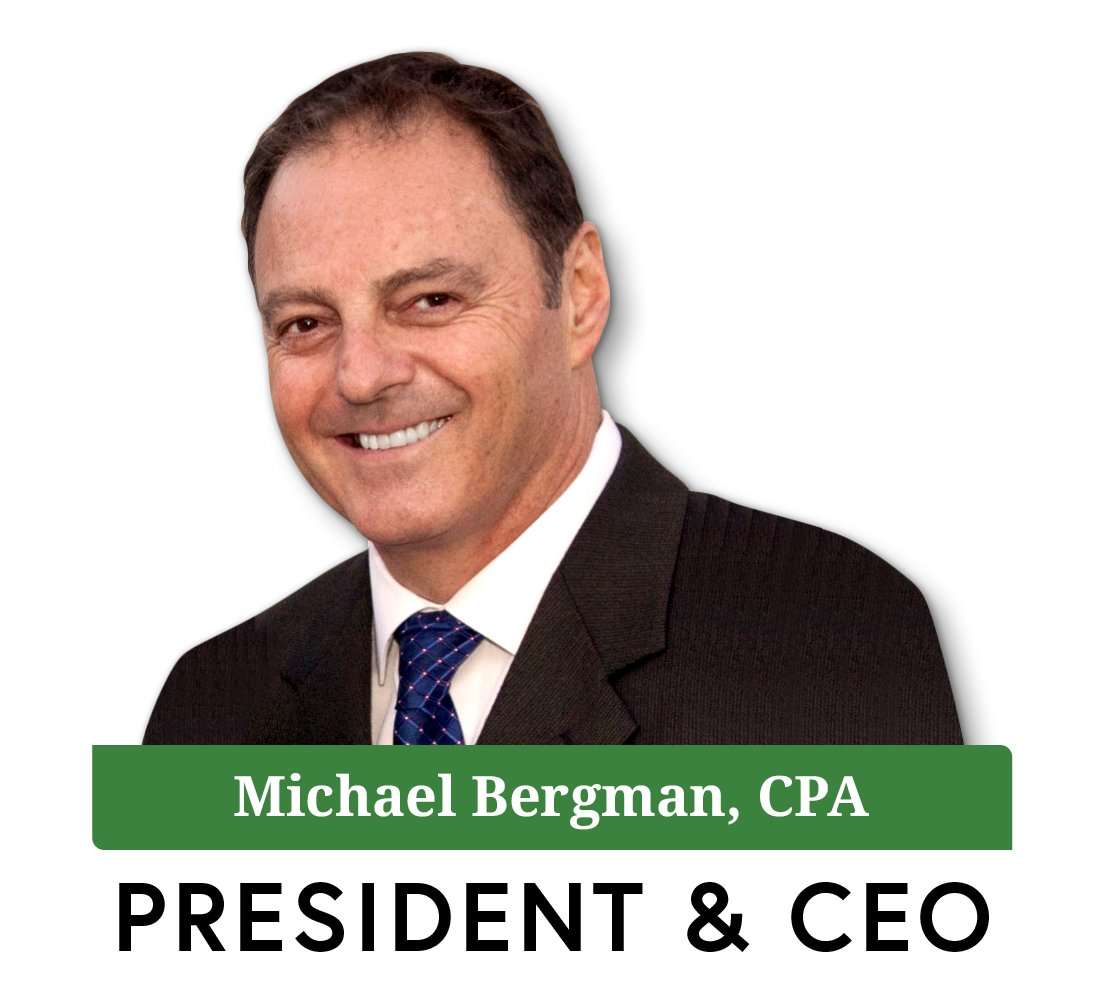
This page was reviewed by Michael Bergman, CPA, California CPA #56113. Verify license.
Disclaimer: This article is for informational purposes only and is not legal, tax, or financial advice. Tax laws change and every situation is different. Please consult a qualified attorney, CPA, or tax advisor before making decisions about your property, sale, or 1031 exchange.
Editorial Policy
All articles are reviewed for accuracy by licensed tax professionals and sourced from official government publications. Read our Editorial Policy →
About The Author
 Michael Bergman is a California licensed CPA and Real Estate Broker with over 35+ years of CPA-supervised 1031 exchange experience in commercial real estate. Specializing in 1031 tax-deferred exchanges and financial oversight, his expertise covers complex real estate transactions. Michael’s unique blend of financial acumen and real estate knowledge positions him as a trusted advisor in the industry, offering sound advice and strategic insights for successful property management and investment.