How Soon Can You Sell a 1031 Exchange Property?
Deferring capital gains taxes through a successful 1031 exchange requires that you understand and comply with all the rules of the exchange. Since the IRS is strict with the requirements, mistakes in the process may disqualify your exchange from tax deferral, meaning you’ll have to pay capital gains tax on the sale of the relinquished property. That’s why you need to understand the 1031 exchange rules, especially the timelines, so that you can identify the right time to sell a 1031 exchange property without putting your tax benefits at risk.
Most tax advisors and real estate experts recommend holding a 1031 exchange property for at least two years before selling it. However, note that this is not specified in the tax code; therefore, it’s a recommendation and not necessarily a requirement. If you’re unsure of when to sell, it’s best to consult with a qualified intermediary to assess your property and provide professional guidance.
With 35+ years of hands-on experience, our experienced qualified intermediaries at Universal Pacific 1031 exchange have the expertise and experience to facilitate a 1031 exchange without violating any IRS timeline requirement. We’re committed to guiding you through every step of the exchange to make sure you comply with all necessary regulations while having a smooth exchange. Schedule a free consultation with us today to get started.
This comprehensive guide will help you understand the 1031 exchange timeline, how long you need to hold a 1031 exchange property before you can sell it, factors that affect the timing, and common mistakes to avoid.
What Is a 1031 Exchange?

A 1031 exchange is a tax-deferral investment strategy that allows real estate investors to defer capital gains tax when they sell an investment property and invest the proceeds in another like-kind replacement property. The primary benefit of 1031 exchanges is deferring capital gains taxes. By deferring taxes, you have more capital available to invest in new properties, giving you an opportunity to get higher-value properties. You can also diversify your portfolio by exchanging properties in different locations or asset types. In addition, 1031 exchanges can be a useful tool in estate planning as they enable you to transfer real estate holdings with a step-up in basis for heirs, which can potentially eliminate deferred taxes.
The Basic Rules of a 1031 Exchange
To successfully defer capital gains taxes through a 1031 exchange, you must follow all the rules stipulated by the IRS. The IRS made these rules to see to it that investors do not abuse the tax deferral benefit, so that exchanges will be genuine transactions involving business or investment properties.
To begin with, both the old and the new property must be held for business or investment purposes. Personal use properties, such as a primary residence or vacation home, do not qualify. However, it is possible to convert your personal property to a 1031 exchange property through a 1031 exchange for primary residences.
Secondly, the relinquished and replacement property must be of “like-kind.” This means they must be of the same nature or character, regardless of their grade or quality. Additionally, you must reinvest all the proceeds from the sale of the relinquished property into the replacement property. Any portion of the sales proceeds that you do not reinvest is known as boot in a 1031 exchange, and is subject to capital gains tax. Hence, the replacement property must have equal or greater value than the relinquished property. This still holds true even if you’re exchanging one relinquished property for multiple replacement properties or running a 1031 exchange of two properties for one.
Moreover, you must complete the exchange within the IRS timeline of 180 days. From the day you sell the relinquished property, you have 45 days to identify potential replacement properties. After the 45-day identification period, you’re required to acquire the replacement property and finish the exchange transaction within the next 135 days, completing the 180-day timeline.
In addition, you need a Qualified Intermediary (QI), also known as an exchange facilitator, to facilitate a successful 1031 exchange. The QI facilitates the exchange by holding the proceeds from the sale of the old investment property and using them to acquire the replacement property on your behalf. This is a good way to make sure that you never have actual or constructive receipt of the funds, which is a key requirement for the exchange to qualify for tax deferral.
How Long Do You Have to Hold Property In A 1031 Exchange?

There is no specific minimum holding period for a real property to qualify for a 1031 exchange under the Internal Revenue Code. However, many real estate investment experts and tax advisors recommend holding the property for at least two years.
The goal is to demonstrate that you did not acquire the property with the immediate intent to exchange it in order to defer tax. Since the IRS is more focused on investment intent rather than a specific holding period, holding the property for a longer time can help establish the intent and avoid IRS scrutiny.
How Soon Can You Sell a 1031 Exchange Property – Timeline for Selling a 1031 Exchange Property
You can sell a 1031 exchange property as soon as you meet the requirements for a qualifying exchange. As mentioned earlier, we recommend that you hold the property for at least one to two years to demonstrate investment intent. Once you decide to proceed with a 1031 exchange, you must adhere to the IRS timeline for a 1031 exchange; that’s a 180-day exchange period which starts from the day you sell the relinquished property.
Day 1: Selling the relinquished property
The 1031 exchange process starts counting from the day you close the sale of your relinquished property. This is considered “Day 1” of the exchange timeline. You’ll have to work with an escrow or title company, acting as a qualified intermediary, to handle the transaction and make sure all legal and financial requirements are met. After this, the buyer deposits the funds into an escrow account, and you transfer the property ownership to the buyer.
Day 1-45: Replacement property identification period

From Day 1, you have the next 45 days to identify potential replacement properties. During this identification period, you must identify the replacement properties in writing, but you must comply with the identification rules specified by the IRS. The 1031 exchange identification rules include the following:
- The three-property rule
- The 200% rule
- The 95% rule
The three-property rule allows you to identify up to three properties irrespective of their total value. You’re not mandated to acquire the three properties, but you must purchase at least one of the properties within the 180-day purchase period. The 200% rule permits you to identify and purchase more than three properties, provided that their aggregate fair market value does not exceed 200% of the fair market value of the relinquished property. For the 95% rule, you can acquire as many properties as you want, no matter their aggregate fair market value, but you must acquire at least 95% of the aggregate fair market value of the identified properties.
Day 46-180: The exchange period
After the identification period, you have the next 135 days to acquire the identified properties and complete the exchange. Note that you must purchase the replacement property within 180 days or the due date of your tax return for the year in which the relinquished property was sold. This means that if your tax return is due before the 180-day period ends, you must complete the exchange by the tax return due date, including extensions.
What Happens If You Do Not Meet the 1031 Exchange Timeline?
There are various penalties and consequences you may face if you fail to stick to the exchange timeline of 180 days. First, your exchange will not qualify for tax deferral. That means you will have to recognize and pay capital gains tax on the sale of the relinquished property. Moreover, if the exchange fails and you do not report the sale correctly, you may owe interest and penalties on any underpaid taxes.
Additionally, without the tax benefits of a 1031 exchange, you may face a higher tax liability in the year the property was sold, and this may affect your overall financial planning and cash flow. To avoid these consequences, you should work with an experienced QI to help you follow the established timeline and stay compliant with the rules of the 1031 exchange.
Factors That Can Affect the Timing of a 1031 Exchange
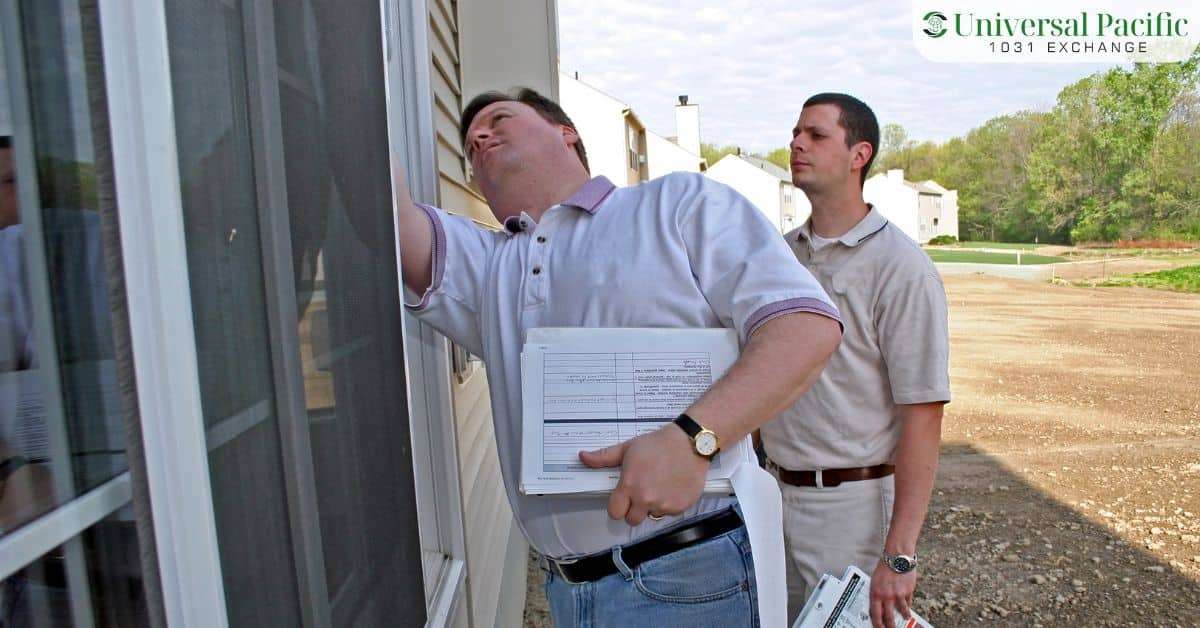
How fast you can complete a 1031 exchange depends on various factors that can affect the identification and acquisition stages. You need to understand these factors so that you can plan ahead and avoid the consequences of missing the deadlines. Such factors include the following:
- The real estate market condition can significantly affect how quickly you can identify and acquire replacement properties. For example, properties may sell quickly in a high-demand market, making it challenging to find suitable replacements within the 45-day identification period. On the other hand, you may have more time to evaluate potential properties in a low-demand market, but might face difficulties in selling your relinquished property promptly.
- The availability of replacement properties is another factor that can determine the timing of the exchange. If you’re in an area with a limited property listing, you may find it difficult to find a suitable investment property to identify as a replacement property. That way, you may make a hasty decision or even fail to identify within the required 45 days.
- The timing can also be affected by inspections, appraisals, and negotiations. These are important processes that help you confirm whether a property is a good buy, check the fair market value, and close the deals at convenient prices. The longer these activities take, the longer the entire 1031 exchange process.
- If you need financing to secure the replacement property, delays in loan approvals or funding can affect the timely completion of the exchange. You can reduce this risk by making sure you secure the funds before initiating the exchange.
- The efficiency and responsiveness of your QI can also influence the timing of the exchange. For a fast exchange within the timeline, it’s best to work with an experienced and reliable QI like Universal Pacific 1031 Exchange. We can help you ensure that the necessary documentation and funds transfers are handled promptly and accurately.
Common Mistakes to Avoid in a 1031 Exchange

The success of your 1031 exchange is determined by how well you follow the rules and procedures. Mistakes in the process may disqualify the exchange from tax deferral; hence you need to be able to identify the common mistakes investors make in a tax-deferred exchange and avoid them.
One of the most common mistakes is failing to keep to the exchange timelines. Note that if you miss any of the deadlines, your exchange will not qualify to defer capital gains tax. To avoid this, plan ahead of time and work closely with your QI to ensure all deadlines are met.
Another common mistake to watch out for is failure to properly identify replacement properties in writing or exceeding identification limits. To handle this, be sure your identified properties are within the allowed limits and submit the list to your QI on time. Additionally, attempting to exchange personal property instead of business or investment property can invalidate the exchange. Make sure all properties involved are held for business or investment purposes, not personal use.
Moreover, directly receiving the sale proceeds before completing the exchange disqualifies the transaction. Hence, have all proceeds handled by the QI to maintain the integrity of the exchange. In addition, failing to maintain proper transaction records may backfire when you need to provide proof of the transactions. As such, keep thorough records of all transactions and communications with your QI and other parties involved.
More importantly, it’s risky to run a 1031 exchange on your own. Not seeking advice from tax or real estate professionals can result in costly mistakes. Therefore, consult with an experienced QI with a track record of success. It’s recommended to find a qualified intermediary with extensive experience with 1031 exchanges and a thorough understanding of the relevant tax laws and regulations. Since the qualified intermediary fee makes up a significant part of the total 1031 exchange costs, look for a QI with affordable fees.
Need a Qualified Intermediary to Help You Navigate the 1031 Exchange?
Without a proper understanding of the 1031 exchange timeline, you’re likely to miss the deadlines and disqualify your exchange from the tax benefits. It’s not just about the exchange timeline; you also need to know how soon you can sell a 1031 exchange property so as not to lose the tax deferral. Although the Internal Revenue Code does not specify any timeline, experts suggest that you hold the property for at least 2 years to demonstrate investment intent.
To be on the safe side, seek professional advice and stay up-to-date with the latest real estate and tax regulations in your jurisdiction. As the best-qualified intermediary in California, Universal Pacific 1031 Exchange can help you defer capital gains taxes through a smooth and compliant 1031 exchange and provide professional guidance throughout the exchange. Visit our 1031 exchange office in Los Angeles or book a free consultation with us today to start an exchange.
This page was reviewed by Michael Bergman, CPA, California CPA #56113. Verify license.
Disclaimer: This article is for informational purposes only and is not legal, tax, or financial advice. Tax laws change and every situation is different. Please consult a qualified attorney, CPA, or tax advisor before making decisions about your property, sale, or 1031 exchange.
Editorial Policy
All articles are reviewed for accuracy by licensed tax professionals and sourced from official government publications. Read our Editorial Policy →
About The Author
 Michael Bergman is a California licensed CPA and Real Estate Broker with over 35+ years of CPA-supervised 1031 exchange experience in commercial real estate. Specializing in 1031 tax-deferred exchanges and financial oversight, his expertise covers complex real estate transactions. Michael’s unique blend of financial acumen and real estate knowledge positions him as a trusted advisor in the industry, offering sound advice and strategic insights for successful property management and investment.