How to Set Up a 1031 Exchange Account?
To set up a 1031 exchange account, you must first choose a Qualified Intermediary (QI) experienced in handling exchanges and sign an exchange agreement authorizing them to hold your funds. When you sell your relinquished property, the proceeds are deposited directly into the QI’s account rather than your personal account.
The QI uses those funds to purchase your potential replacement properties, keeping the exchange tax-deferred and compliant with IRS rules. When choosing a QI, look for one with a strong track record, clear fees, and experience managing multi-property exchanges, as this helps ensure your transaction goes smoothly and meets all IRS requirements.
With 35+ years of hands-on experience, our experienced qualified intermediaries at Universal Pacific 1031 exchange have the expertise and experience to facilitate a 1031 exchange without violating any IRS requirement. We’re committed to guiding you through every step of the exchange to make sure you comply with all necessary regulations while having a smooth exchange. Schedule a free consultation with us today to get started.
In this guide, you’ll learn how to set up a 1031 exchange account, common mistakes to avoid, and expert tips to guide you.
What Is a 1031 Exchange Account?

A 1031 exchange account is a special account used to hold the proceeds from the sale of a property during a 1031 exchange. The account allows you to safely use the sale proceeds to purchase replacement property or properties without triggering a taxable event, keeping your exchange tax-deferred. Unlike a regular bank account, you cannot access these funds personally because they are managed by a Qualified Intermediary (QI) to ensure compliance with IRS rules.
As stipulated by the Treasury Regulation §1.1031(k)-1, you are not allowed to receive or control the sale proceeds from a relinquished property in a tax-deferred exchange. Instead, those funds must be transferred directly into an exchange account managed by a qualified intermediary, sometimes referred to as an exchange accommodation titleholder.
If you take possession of the exchange funds, even for a short period of time, the transaction is treated as a taxable sale rather than a like kind exchange. That creates immediate tax liability and defeats the purpose of the 1031 exchange, which is to defer capital gains tax.
Who Can Set Up a 1031 Exchange Account?
Any taxpayer who owns real estate held for investment or business purposes may be eligible to set up a 1031 exchange account. This typically includes individual investors, partnerships, limited liability companies, trusts, and other business entities eligible for 1031 exchanges.
The qualified intermediary plays an important role in creating and managing the exchange account. They prepare the exchange agreement, open the exchange account, receive the sale proceeds, and ensure that the transaction follows IRS rules from start to finish.
How to Set Up a 1031 Exchange Account
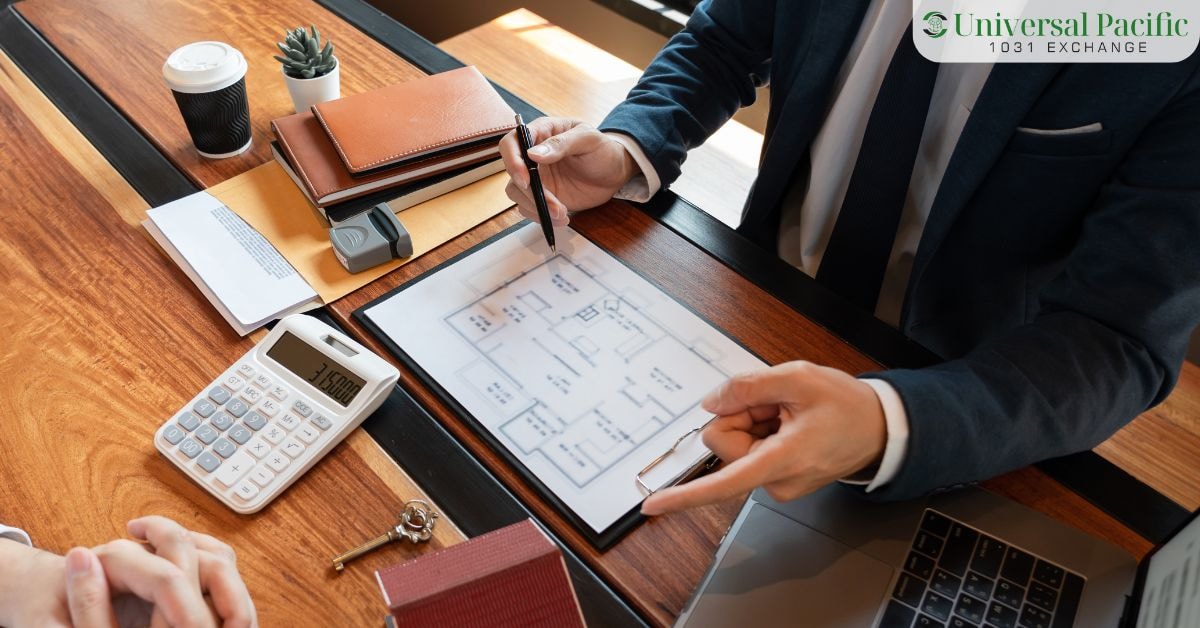
A 1031 exchange account differs from a regular bank account. Therefore, you need to learn how the account operates and the right steps to create one to ensure your exchange stays IRS-compliant and successfully defer capital gains tax.
Step 1: Choose a Qualified Intermediary (QI)
Select a licensed QI with experience in 1031 exchanges, especially if you plan to buy more than one investment property. A good QI will guide you through the process, manage your funds securely, and help you stay compliant with IRS rules.
Step 2: Sign the Exchange Agreement
The exchange agreement formally establishes the 1031 exchange and authorizes the QI to hold your funds. This document outlines the rules, timelines, and responsibilities, making sure the IRS recognizes your exchange as valid.
Step 3: Deposit Sales Proceeds
When you sell your original like-kind property, the proceeds go directly into the QI’s exchange account, not your personal account. This step is crucial because you cannot touch the funds yourself without disqualifying the exchange.
Step 4: Purchase Replacement Properties
The QI releases the funds to buy your replacement investment properties according to the IRS guidelines. Using the account this way keeps your exchange tax-deferred and ensures all transactions are documented correctly.
Common Mistakes to Avoid When Setting Up a 1031 Exchange Account

Many investors make avoidable errors that can jeopardize their exchange when setting up an exchange account. Here, we’ve identified the most common mistakes, why they matter, and how to avoid them.
- Using Your Personal Bank Account: One of the most common mistakes is depositing the proceeds from your sale into your personal bank account instead of a Qualified Intermediary (QI) account. Handling the funds personally disqualifies the exchange and triggers immediate taxes. To avoid this, always ensure the funds go directly into the QI-managed exchange account, which is set up specifically to comply with IRS rules.
- Choosing an Inexperienced QI: Working with a QI who lacks experience in multi-property or complex exchanges can lead to avoidable mistakes in documentation, deadlines, or fund management. Such mistakes can disqualify your exchange or cause delays. To prevent this, choose a licensed and experienced QI with a proven track record and specific experience handling exchanges similar to yours.
- Incomplete Exchange Agreement: An exchange agreement that doesn’t clearly define property details, fund handling, or deadlines can create complications with the IRS. Similarly, ambiguities in the agreement can delay the transaction or even risk disqualification. Always make sure your exchange agreement is thorough, clearly written, and reviewed by your QI or a legal advisor before signing.
- Ignoring QI Fees and Costs: Some investors overlook the qualified intermediary fees and administrative costs associated with a 1031 exchange. Meanwhile, unexpected costs can reduce the funds available for your replacement property or slow down the process. To avoid surprises, confirm all fees upfront and include them in your financial planning before setting up the exchange account.
- Missing Critical Deadlines: The IRS has strict rules on 1031 exchange timeline, and missing any of the deadlines automatically disqualifies your exchange. To stay compliant, track all deadlines carefully and coordinate closely with your QI to ensure each step is completed on time.
What Fees Come with a 1031 Exchange Account?
A 1031 exchange account typically comes with Qualified Intermediary (QI) fees, which cover setting up the exchange agreement, receiving and safeguarding the sale proceeds, coordinating assignments, and disbursing funds for the replacement property. These fees are usually a flat amount for a standard delayed exchange. However, the costs can increase for more complex transactions such as reverse exchanges, improvement exchanges, or multi-property exchanges.
In addition to QI fees, there may be additional costs tied to the exchange account itself. Such costs may include wire transfer fees, escrow or trust account charges, and administrative fees for additional properties or extensions. While these costs vary by provider, they are generally modest compared to the tax deferral benefit of a 1031 exchange and should be reviewed upfront to avoid surprises at closing.
Pro Tips for Setting Up a 1031 Exchange Account

Creating a 1031 exchange account requires careful planning and strict compliance with IRS rules to preserve your tax deferral. The following are expert tips to help you set up the account correctly and avoid common exchange pitfalls.
- Hire a Qualified Intermediary before closing the sale of your relinquished property.
- Ensure the exchange account is established in the QI’s name, not yours, to avoid constructive receipt.
- Confirm the exchange agreement clearly restricts your access to the sale proceeds.
- Use a QI that holds funds in a qualified escrow or trust with proper safeguards.
- Review all assignment and notice documents to ensure they are executed correctly and on time.
- Understand all fees upfront, including administrative and wire transfer costs.
Need a Qualified Intermediary?
Setting up a 1031 exchange account correctly is essential to preserving your tax deferral and avoiding costly IRS mistakes. As covered above, you have to choose a qualified intermediary early, sign a proper exchange agreement, ensure sale proceeds go directly into the QI-managed account, meet strict IRS deadlines, and avoid common errors like handling funds personally or working with an inexperienced intermediary.
The best way to make sure you fulfill all requirements for tax-deferred exchanges is to work with our experienced qualified intermediary at Universal Pacific 1031 Exchange. We’re always available to help you stay compliant with relevant rules and also guide you through the entire exchange process. Book a free consultation with us today or visit our 1031 exchange office in Los Angeles to start an exchange.
FAQs for 1031 Exchange Accounts
Below are some of the most common questions investors ask when learning how to set up a 1031 exchange account and comply with IRS rules.
How Long Does It Take to Set Up a 1031 Exchange Account?
Setting up a 1031 exchange account usually takes one to two business days. The process depends on how fast you select a Qualified Intermediary (QI) and complete the required paperwork.
What Documents Are Needed to Open a 1031 Exchange Account?
The different documents you need when opening a 1031 exchange account include a signed exchange properties agreement, identification documents, and copies of the purchase and sale contracts for the relinquished and replacement properties. Your QI may also request wiring instructions and entity documents if the property is owned by an LLC or trust.
Can I Hold 1031 Exchange Funds in My Personal Bank Account?
No, you cannot hold exchange funds in a personal bank account. The IRS requires that all sale proceeds from the relinquished property be held in escrow or trust by a qualified intermediary. Taking control of the money creates immediate tax liability and disqualifies the exchange.
How Much Does a Qualified Intermediary Charge?
Qualified intermediary fees typically range from $600 to $2500 or even more, depending on the complexity of the transaction. Costs may increase to over $3000 to $8500 for more complex transactions such as a reverse exchange or multi-property exchange.
Can I Change My QI During an Exchange?
Changing a QI during an active exchange is difficult and may put the exchange at risk. Because the QI is named in the exchange agreement and controls the funds, switching intermediaries mid-process can create compliance risks. In most situations, it is best to carefully vet your QI before the exchange begins.
Are 1031 Exchange Accounts Insured or Protected?
Most QIs use segregated, escrow-style accounts with added safeguards such as fidelity bonds or errors and omissions insurance. You should always confirm what protections your QI provides before starting the exchange.
How Are Funds Transferred to the Replacement Property?
The QI transfers funds directly from the exchange account to the closing agent for the replacement property. This ensures the funds are used properly and the exchange remains IRS-compliant.
This page was reviewed by Michael Bergman, CPA, California CPA #56113. Verify license.
Disclaimer: This article is for informational purposes only and is not legal, tax, or financial advice. Tax laws change and every situation is different. Please consult a qualified attorney, CPA, or tax advisor before making decisions about your property, sale, or 1031 exchange.
Editorial Policy
All articles are reviewed for accuracy by licensed tax professionals and sourced from official government publications. Read our Editorial Policy →
About The Author
 Michael Bergman is a California licensed CPA and Real Estate Broker with over 35+ years of CPA-supervised 1031 exchange experience in commercial real estate. Specializing in 1031 tax-deferred exchanges and financial oversight, his expertise covers complex real estate transactions. Michael’s unique blend of financial acumen and real estate knowledge positions him as a trusted advisor in the industry, offering sound advice and strategic insights for successful property management and investment.