1031 Improvement Exchange
A 1031 improvement exchange is a strategy that allows investors to sell a relinquished property and use the sale proceeds to acquire replacement property with customized renovations. This structure enables real estate owners to preserve capital, maximize tax deferral, customize the replacement property, and potentially increase its fair market value. Navigating a 1031 improvement exchange can be challenging; as a result, working with a Qualified Intermediary (QI) is not optional; it is a critical requirement for completing a valid exchange.
At Universal Pacific 1031 Exchange, our team of Qualified Intermediaries combines deep IRS expertise, licensed CPA oversight, and hands-on experience with complex improvement and reverse exchanges. We have successfully managed hundreds of millions of dollars in transactions nationwide while prioritizing fund security, strict compliance, and transparent communication at every stage. Ready to start an exchange? Contact us.
This article explains what a 1031 improvement exchange is, how it differs from a standard 1031 exchange, and how you can navigate the process without missing critical deadlines or disqualifying your exchange.
What Is 1031 Improvement Exchange?

A 1031 improvement exchange, also known as a construction or build-to-suit exchange, is an advanced form of a 1031 exchange under Section 1031 of the Internal Revenue Code (IRC). This allows a real estate investor to acquire a real property with a lower initial value and use the remaining sales proceeds for construction or property improvements.
If a purchase of replacement property is made first, the purchase transaction would be called a reverse improvement exchange. Unlike a standard 1031 exchange, the improved replacement property does not need to be of equal or greater value.
Investors can increase the value of the new property through renovations or new construction. The goal of a 1031 improvement exchange remains the same. It allows investors to defer capital gains and depreciation recapture taxes by reinvesting in like-kind properties. A major difference between the two exchanges is how value is created. In a traditional 1031 exchange, value is purchased, while in a 1031 improvement exchange, value is built.
Real estate studies show that strategic renovations can increase property value by 15% to 30%, depending on the asset class and market conditions. This makes 1031 construction exchanges a powerful tool for long-term value creation. An exchange expert explains that improvement exchanges allow investors to “use every dollar of exchange proceeds productively” to maximize tax-deferred investment and reduce the risk of taxable boot.
How Does 1031 Improvement Exchange Work?
A 1031 improvement exchange is a tax-deferral strategy that allows investors to sell an investment property. The sale proceeds are used to buy and improve a replacement property. Below is a step-by-step guide explaining how a 1031 improvement exchange works:
Step 1: Sell the Relinquished Property
The first step in a 1031 construction exchange is selling your current investment property, which is known as the relinquished property. Once the sale is completed, the proceeds are held by a Qualified Intermediary, not by the investor, until the exchange is completed. Investors often make the mistake of attempting to receive the sale proceeds directly, which can trigger a taxable event. Even touching the money can disqualify the exchange.
Step 2: Identify the Replacement Property
After selling the relinquished property, the next step is identifying a replacement property, which must be done within 45 days of the sale. Failing to meet this deadline can lead to a disqualified 1031 exchange. Unlike a standard 1031 exchange that forces investors into fully priced, turnkey properties, a 1031 improvement exchange allows investors to create value through renovations, not just purchase it.
At Universal Pacific 1031 Exchange, we help investors in identifying suitable replacement properties and ensure full compliance with IRS requirements. From our experience, we have worked with clients who initially select multiple small properties, thinking diversification is the best strategy.
Over time, renovation timelines, cash-flow demands, and value creation goals may make a single larger property the better choice. When identifying a replacement property, we understand that factors such as timing, property condition, and market realities have long-term implications.
Step 3: Fund the Improvements Through a Qualified Intermediary (QI)
If the replacement property requires renovations, an Exchange Accommodation Titleholder (EAT) temporarily holds title to the new property while upgrades are carried out. The EAT ensures that every dollar spent contributes to property value within the 180-day IRS timeline. According to recent studies, renovated multifamily properties often experience 10%-20% rent increases.
Every payment is coordinated through a Qualified Intermediary, ensuring that contractors and vendors are paid directly from the exchange funds. This structure allows the IRS to recognize each improvement as part of the transaction. When improvements are completed to suit investment needs, the replacement property often becomes a stronger, higher-yielding investment while preserving the tax-deferral benefits.
Step 4: Complete the Exchange
Once all improvements on the replacement property are completed, the final stage begins. This stage involves transferring legal ownership while maintaining full IRS compliance. At Universal Pacific 1031 Exchange, our Qualified Intermediary works with the Exchange Accommodation Titleholder to transfer the property to the investor upon completion.
The IRS requires all construction and improvements to be completed within 180 days of identification before the ownership title is transferred to the investor. Timing is critical when doing a 1031 improvement exchange. We recommend consulting a Qualified Intermediary early in the process. They provide guidance at every stage and help prevent errors that could disqualify the exchange.
Step 5: Reporting the Exchange to the IRS
Many investors mistakenly assume the transaction ends once the replacement property is improved and transferred into their ownership. This assumption is incorrect. Every 1031 exchange must be reported when filing your federal tax return for the year of the sale using Form 8824.
The IRS requires detailed information about the exchange. This includes the relinquished property, the replacement property, all improvements made, and exchange proceeds. Accurately reporting the 1031 improvement exchange allows investors to verify that renovations, construction costs, and timelines meet IRS requirements.
What Are the Key Requirements?

The concept of a 1031 improvement exchange is straightforward. An investor sells a relinquished property, reinvests the proceeds, and defers capital gains tax. However, the exchange is subject to the following requirements.
1. Investment or Business Purposes Only: Both the relinquished and replacement properties must be held for business and investment use. Qualifying examples include multifamily rental buildings, commercial properties, vacation rentals, and raw land. Primary residences generally do not qualify for a 1031 exchange.
2. Use of a Qualified Intermediary: In a 1031 exchange, the IRS prohibits the seller from taking possession of proceeds from the sale of the investment property, even for a brief moment. This rule is based on the concept of constructive receipt. If an investor controls or can access the funds, the IRS considers them “received,” and the transaction is no longer a valid exchange.
This is where a Qualified Intermediary is essential. The QI receives and holds the sale funds and releases payments only after the replacement property is properly identified. This process protects the exchange from disqualification and requires alignment with applicable IRS rules.
3. Identification Within 45 Days: One of the most critical deadlines in a 1031 improvement exchange is the 45-day identification window. From the closing date of the relinquished property, the IRS allows exactly 45 days to identify potential replacement properties in writing. Many real estate investors mistakenly believe they can identify a replacement property verbally or informally. However, that is not the case as the IRS requires a formal written identification submitted to the QI, clearly explaining each property. Missing this window is one of the most common ways exchanges fail.
4. Completion Within 180 Days: The entire exchange process, including acquisition and improvements, must be completed within 180 days of the original sale date. The clock starts on the day the relinquished property is sold. This date applies to both the 45-day and 180-day deadlines. Many investors incorrectly begin counting after the 45-day period ends. This mistake can cause missed deadlines, disqualify the exchange, and trigger capital gains tax.
5. Documentation and IRS Reporting: Every construction financing, payment, and improved property must be documented and reported on IRS Form 8824. Accurate records prevent disputes and protect your tax-deferral benefits. It also protects you from IRS scrutiny.
What Are the Benefits of a 1031 Improvement Exchange?
The primary benefit of a 1031 improvement exchange is deferring capital gains taxes from the sale of a relinquished property. By reinvesting the exchange proceeds into a replacement property, including improvement funds, investors can avoid paying taxes, preserving more capital for investment.
Another benefit is that it gives room for value creation. Unlike a regular 1031 exchange, a 1031 construction exchange allows investors to use proceeds to renovate or construct the replacement property. This strategy can increase the replacement property’s fair market value and rental income potential.
A 1031 improvement exchange provides greater flexibility and strategic growth. Investors are not limited to turnkey properties that already meet full replacement value. Instead, they can acquire under-improved or outdated properties and use exchange funds to renovate, customize, reposition, or expand them during the exchange period.
What Challenges Might Arise and How to Solve Them?
A 1031 improvement exchange is not the right decision for every investor. The success of the exchange depends on factors including timing and project scope. One of the most common challenges in a 1031 improvement exchange is managing strict deadlines and complex procedures.
- Time Factor: The 45-day identification period and 180-day acquisition period run concurrently, so delays in property selection, permitting, or construction can threaten the transaction. While a 1031 improvement exchange benefits investors in a market with predictable permitting timelines, completing qualifying improvements on time can be challenging in jurisdictions with long approval processes. To solve this, pre-vet contractors before the sale, identify properties early, and structure the exchange with an EAT to start improvements after acquisition.
- Mismanagement of Exchange Funds: Improper handling of sale proceeds by the investor can trigger constructive receipt and disqualify the exchange. To prevent this, ensure all proceeds flow through a Qualified Intermediary. Contractors and vendors should be paid directly from exchange funds, never by the investor.
- Renovation Complexity: Investors often underestimate the complexity of renovation. Many assume improvements can be completed faster than reality allows. Work with a Qualified Intermediary to align your project scope with the 180-day deadline. Prioritize improvements that directly increase qualifying value.
A 1031 improvement exchange is not the right decision for every investor. There are many determining factors to its success, including timing and project scope.
What Are Best Practices for 1031 Improvement Exchange?

The most successful 1031 improvement exchanges follow a strategic and proactive approach. Below are the best practices we employ at Universal Pacific 1031 Exchange:
Planning Before the Sale Closes
Strategic planning is IRS deadlines in a 1031 improvement exchange. Identify potential replacement properties even before you sell off your real property. It makes it easier to maximize the 45-day identification period, allowing immediate acquisition and renovations. Estimate improvement costs and review construction timelines in advance.
Structure the Exchange from Start
Consult a Qualified Intermediary at the start of the exchange. They manage proceeds and improvements. An Exchange Accommodation Titleholder (EAT) takes title during construction to ensure compliance and prevent constructive receipt. Early guidance reduces errors, missed deadlines, and unlawful possession of exchange funds.
Prioritize Improvements that Add Measurable Value
1031 construction exchange allows investors to make customized renovations. However, it is important to focus on improvements that can increase income, functionality, or market value.
Maintain Proper Documentation
Keep all documentation, including contracts, invoices, timelines, and payment records. This simplifies the IRS reporting process and protects the exchange under scrutiny. By combining these strategies, you can maximize both compliance and long-term value in a 1031 improvement exchange.
What Are the Next Steps After Completing an Exchange?
Completing a 1031 improvement exchange is considered a successful event, but it is not the end of the process. The first step after completing an exchange is to report it to the IRS. Investors must file IRS Form 8824 with their federal tax return for the year of the sale.
This form provides detailed information about the relinquished and replacement properties, exchange values, timelines, sales price, and any improvements completed during the process. Beyond reporting, investors often review financing and equity options after completing the exchange.
Refinancing improvements can unlock equity for future acquisitions or enhance cash flow without affecting the completed exchange. Evaluating funding options also allows investors to determine whether additional leverage or refinancing could strengthen their long-term investment position.
Ready to Move Forward With a 1031 Improvement Exchange?
1031 improvement exchange is a powerful strategy for investors who want to do more than defer taxes; it allows you to enhance the value, performance, and long-term potential of your real estate portfolio. However, navigating this exchange depends on precision, timing, and alignment with applicable IRS rules.
At Universal Pacific 1031 Exchange, we have a deep understanding of Section 1031 of the IRC, IRS regulations, and revenue procedures governing improvement exchange. Our team brings hands-on experience when working with investors, EATs, and tax professionals to manage complex exchanges involving construction, tight timelines, and strict IRS requirements. Contact us or find us on Google to get started.
FAQs
This section provides answers to commonly asked questions about a 1031 improvement exchange, revenue procedure, and its benefits.
What Are the Benefits of a 1031 Improvement Exchange?
A 1031 improvement exchange allows you to defer capital gains taxes and depreciation recapture when selling an investment property, increases the fair market value of the replacement property, and prevents boot by using any extra proceeds for construction or renovation.
Another benefit of a 1031 improvement exchange is that it provides flexibility to adapt properties to market demand, enabling investors to make necessary refurbishments to a property, from being outdated to modern, high-quality assets.
How Does a 1031 Improvement Exchange Differ From a Regular 1031 Exchange?
In a standard 1031 exchange, all the proceeds obtained must be reinvested into a replacement property of equal or greater value, and renovation costs don’t count toward the exchange. For a 1031 improvement exchange, an investor is allowed to use the exchange funds to make improvements to the new property before the exchange is completed.
Can I Use a 1031 Improvement Exchange for Residential Properties?
Yes, you can use a 1031 improvement exchange for residential properties. However, the property must be used for business or investment purposes, not as a primary residence. However, investors can convert their primary residence into an investment property to qualify for a 1031 improvement exchange. The process is known as “change in use” by the IRS.
Are There Time Limits for Completing a 1031 Improvement Exchange?
Yes, the IRS strict timelines apply to a 1031 improvement exchange. You must identify your replacement property within 45 days after the relinquished property is sold. All improvements that will contribute to the exchange value must be completed, and the exchange must be closed within 180 days of the closing date. If these deadlines are missed, the exchange may be disqualified, and an immediate capital gains tax will apply.
What Are the Potential Risks of a 1031 Improvement Exchange?
Potential risks associated with a 1031 improvement exchange include:
- Missing strict IRS deadlines that require all improvements to be completed within 180 days
- Construction delays, permit issues, or contractor problems
- The risk of increased cost of materials that exceed the exchange fund, leading to taxable boot
- Improper structuring and documentation
Editorial Policy
All articles are reviewed for accuracy by licensed tax professionals and sourced from official government publications. Read our Editorial Policy →
About The Author
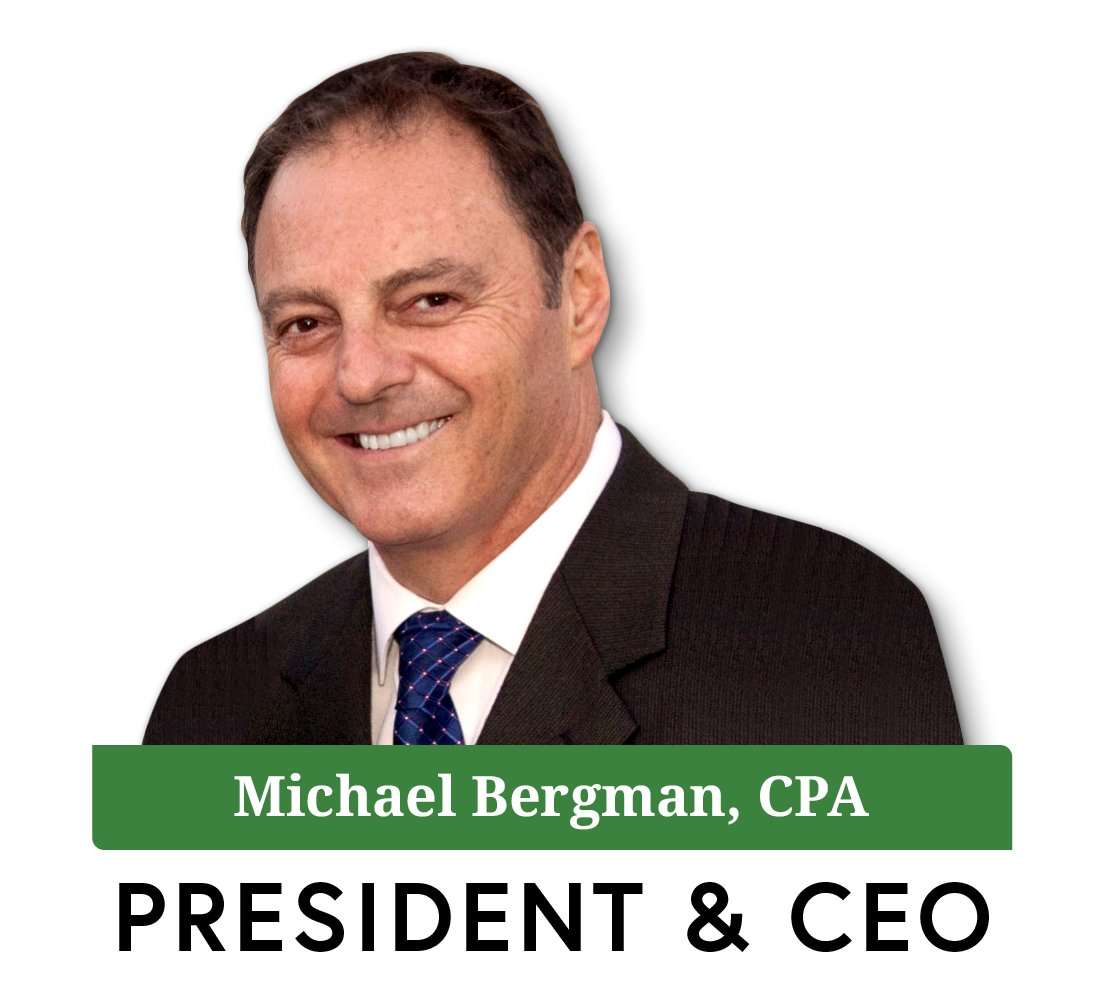
 Michael Bergman is a California licensed CPA and Real Estate Broker with over 35+ years of CPA-supervised 1031 exchange experience in commercial real estate. Specializing in 1031 tax-deferred exchanges and financial oversight, his expertise covers complex real estate transactions. Michael’s unique blend of financial acumen and real estate knowledge positions him as a trusted advisor in the industry, offering sound advice and strategic insights for successful property management and investment.