
Qualified Intermediary for 1031 Exchanges in Albuquerque
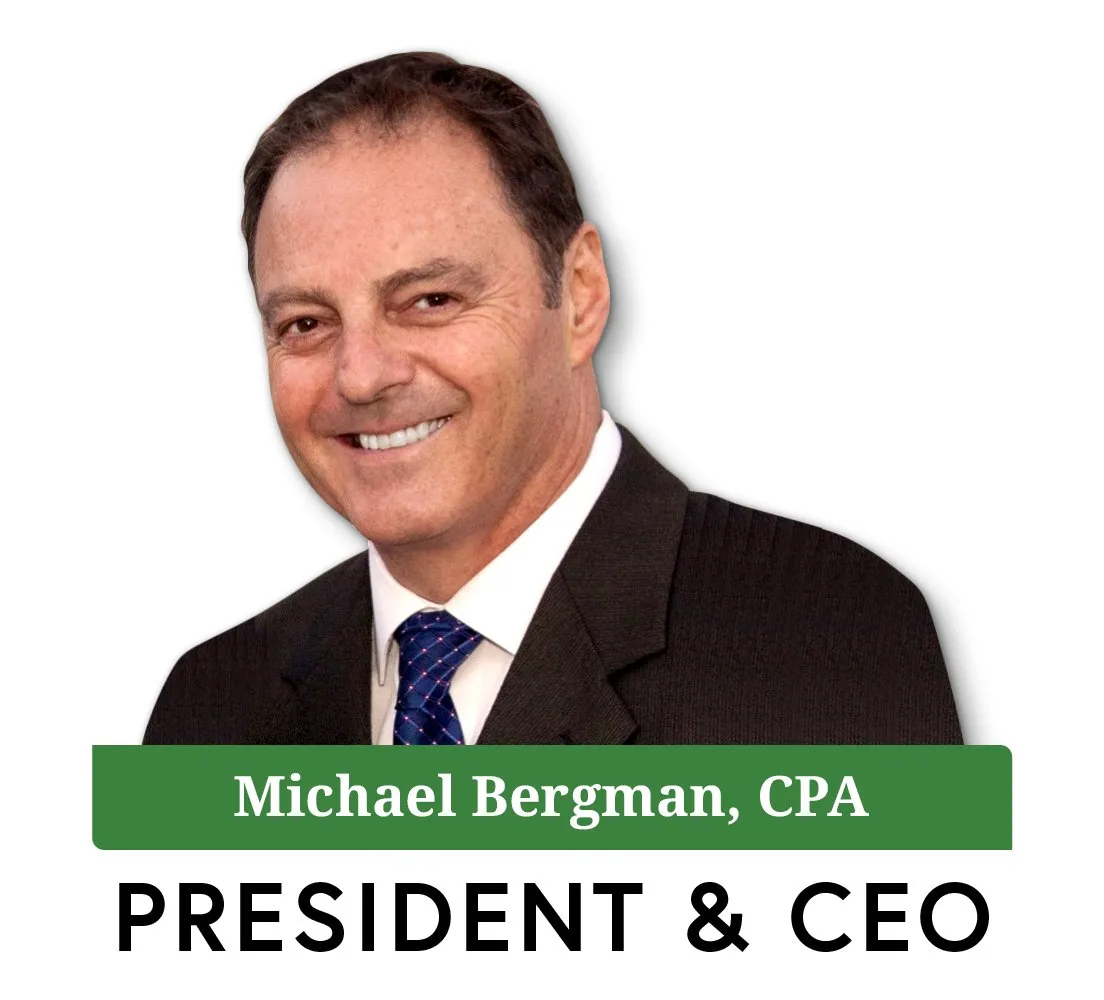
This page was reviewed by Michael Bergman, CPA, California CPA #56113. Verify license.
Investors completing a like-kind exchange need precise execution, strict timing, and full compliance with IRS rules. Our 1031 exchange services Albuquerque investors rely on are built for real estate owners seeking to defer capital gains taxes while repositioning assets within the Albuquerque real estate market.
We work with clients who are selling investment property and reinvesting proceeds into replacement property that qualifies under federal tax code requirements.
Welcome to Universal Pacific 1031 Exchange! Our extensive expertise in New Mexico real estate and financial management converges to guide you through the intricate world of 1031 exchanges in Albuquerque.
With a professional history managing transactions ranging in price from $100,000 to over $100M, our company combines genuine business acumen, real estate insight, and financial literacy.
What Is a Qualified Intermediary for 1031 Exchanges
A 1031 Exchange Accommodator is a neutral third party required by the IRS to facilitate a 1031 exchange. The intermediary holds sale proceeds from the relinquished property and administers the exchange process so the taxpayer never takes constructive receipt of funds.
This role is mandatory. Without a qualified intermediary, the transaction fails and capital gains taxes become immediately due.
Why a Qualified Intermediary Matters in Albuquerque
Albuquerque’s competitive real estate market leaves little margin for procedural errors. Missed deadlines, improper identification, or restricted title language can invalidate the exchange.
Working with a qualified intermediary near me who understands Albuquerque property transactions reduces exposure to failed exchanges, unexpected tax liability, and delayed closings.
Types of 1031 Exchanges

Delayed Exchange
The most common structure. After the sale of the relinquished property, the investor identifies potential replacement properties within 45 days and completes closing within 180 days.

Simultaneous Exchange
Used when a new property must be acquired before selling the existing investment property. This structure requires additional planning and escrow controls.

Reverse Exchange
Used when a new property must be acquired before selling the existing investment property. This structure requires additional planning and escrow controls.

Improvement Exchange
Allows exchange funds to be used for improvements on the replacement property, provided IRS guidelines are met.
Each exchange type carries different risk, timing, and documentation requirements.
Why Universal Pacific Is a Strong Choice for 1031 Exchanges
Universal Pacific focuses exclusively on exchange compliance and transactional accuracy. Our role is limited, defined, and compliant with IRS standards.
Clients work with professionals who:
-
Administer exchange funds securely
-
Track statutory deadlines
-
Coordinate with title companies and attorneys
-
Maintain exchange documentation required for IRS reporting
Our structure is designed for investors, not brokers or sales-driven intermediaries.
Ways We Help With Qualified Intermediary Services in Albuquerque
-
Exchange agreement preparation
-
Secure holding of exchange proceeds
-
Identification notice tracking
-
Coordination with escrow and title
-
Compliance review for replacement property eligibility
This approach supports investors completing single-asset trades or scaling a broader real estate portfolio.

Discover the benefits of a seamless 1031 exchange with our experienced team at Universal Pacific. Don’t let tax complications hinder your property investment decisions. Connect with us today for a complimentary, no-obligation 1031 exchange consultation. Let us help you navigate the complexities and unlock new opportunities. Secure your financial future – your journey to tax-efficient investing starts here.
Steps For Completing A 1031 Exchange in Albuquerque

The exchanger signs a contract to sell a relinquished property to the buyer.

Universal Pacific 1031 Exchange and the exchanger enter into an exchange agreement to retain Universal Pacific 1031 Exchange as the Qualified Intermediary and the exchanger then assigns the exchanger’s rights in the sale contract to Universal Pacific 1031 Exchange.

At the closing of the relinquished property the exchange funds are wired to Universal Pacific 1031 Exchange who then instructs the settlement officer to transfer the deed directly from the exchanger to the buyer.

The exchanger has a maximum of 180 days in the exchange period (or until the tax filing deadline, including extensions, for the year of the sale of the relinquished property), to acquire all replacement property.

The exchanger must identify possible replacement properties in writing to Universal Pacific 1031 Exchange within the 45-day identification period.

The exchanger signs a contract to purchase the replacement property with the seller and the exchanger assigns the exchanger’s rights in the purchase contract to Universal Pacific 1031 Exchange.

At the closing of the replacement property, Universal Pacific 1031 Exchange wires the exchange funds to complete the exchange and Universal Pacific 1031 Exchange instructs the settlement officer to transfer the deed directly from the seller to the exchanger.

Congratulations!
Your 1031 exchange is complete!

Choosing a Qualified Intermediary for 1031 Exchange Transactions
At Universal Pacific 1031 Exchange, our unique blend of extensive real estate, financial, and tax expertise sets us apart in the field of 1031 exchanges. With our commitment to personalized service, meticulous attention to detail, and decades of experience managing complex transactions, we ensure our clients a seamless, reliable, and maximally beneficial exchange process.


